
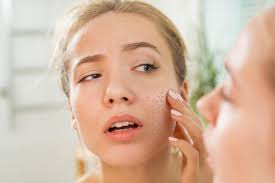
Extremely dry skin can feel itchy, irritating and sometimes painful. It can also feel tight after using some cleansing products, as well as looking flaky and dull. However, there are many reasons why skin can become dry, whether its the colder weather, harsh skin products or even damage to the skin barrier, all of which have solutions, if done with the right care and consistency.
This guide walks you through how to treat extremely dry skin step by step, with practical tips and product recommendations to help restore hydration and comfort.
What Causes Dry Skin?
Extremely dry skin (often referred to as xerosis) happens when your skin loses too much moisture or fails to retain it properly. Some of the reasons for this are;
- Cold or windy weather
- Long hot showers
- Central heating or air conditioning
- Harsh soaps and cleansers
- Aging (which can cause reduced oil production)
- Skin conditions such as eczema or dermatitis
When the skin barrier is damaged, it fails to hold onto the essential moisture, leading to dryness, irritation and sensitivity. The goal to treating dry skin is the cause, which in most cases is a damaged skin barrier.
Switch To A Gentle Cleanser
One of the most common mistakes people make is using harsh cleansers that strip the skin. If your skin feels “squeaky clean” after washing, it’s likely been overly cleansed. Instead, choose a gentle, hydrating cleanser that supports and rebuilds the skin barrier rather than damaging it.
We would recommend:
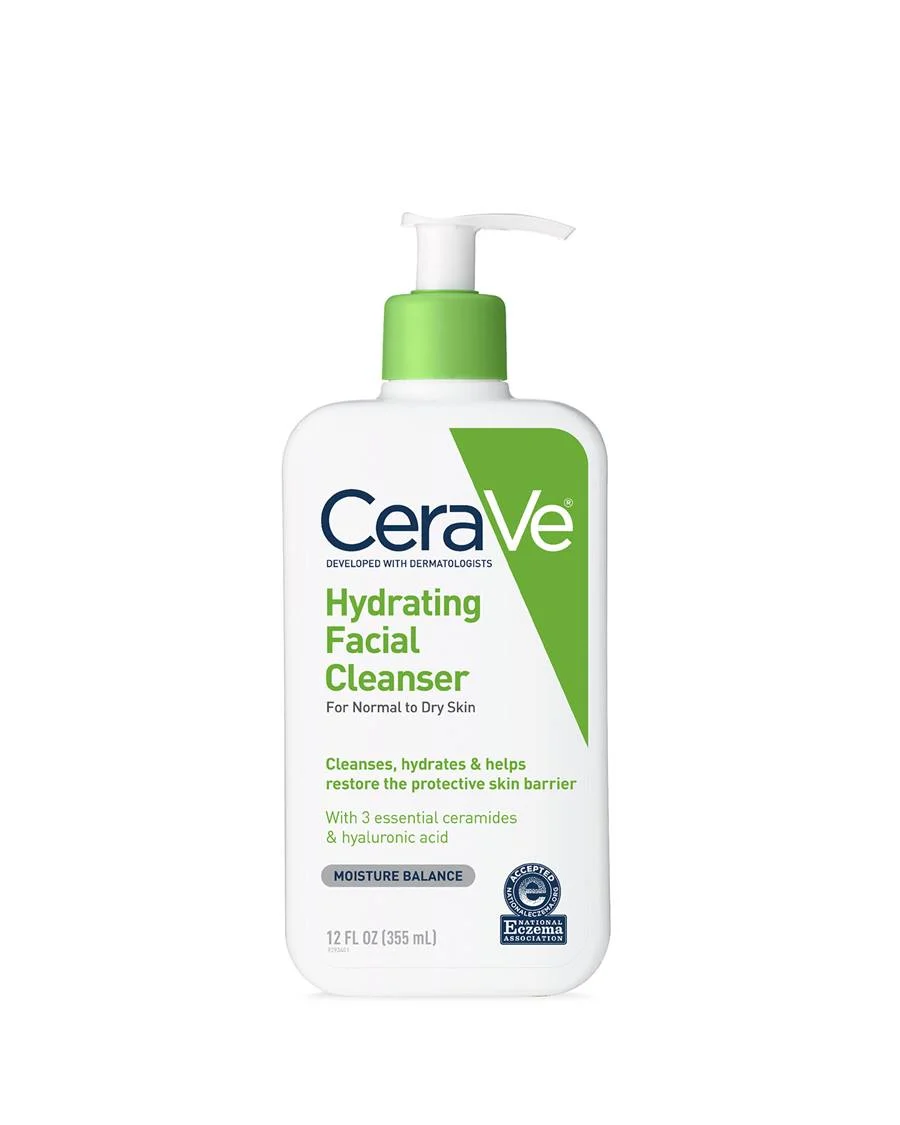
CeraVe Hydrating Cleanser: this contains ceramides and hyaluronic acid to support skin barrier repair
Moisturise Immediately After Washing
Timing is crucial when it comes to hydration. The best time to apply moisturiser is within three minutes of washing your skin, while it is still slightly damp. This helps lock in water before it evaporates from the skin surface.Look for ingredients such as ceramides, glycerin, hyaluronic acid, and shea butter, all of which help attract and retain moisture that is good for the skin.
We would recommend:
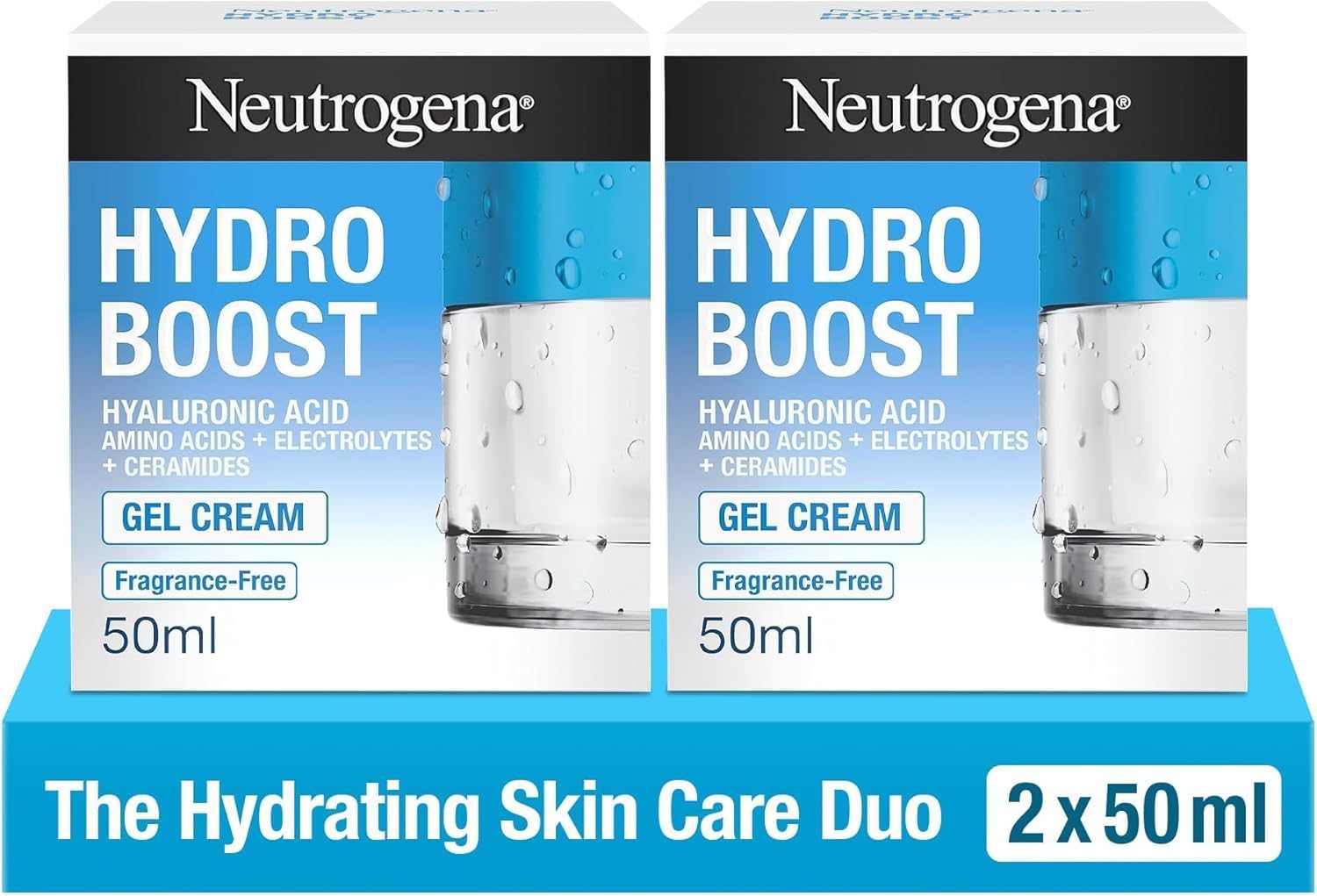
Neutrogena Hydro Boost Gel Cream Fragrance Free: this product is a lightweight but highly hydrating and fragrance free gel cream
Consistency is key, moisturising once won’t fix dryness, but daily use and staying consistent will significantly improve skin over time.
Use a Rich Moisturiser at Night
Night time is when your skin naturally repairs itself, making it the perfect time and opportunity to use richer, more intensive products. Thicker creams and ointments work best here, especially on areas such as the face.
For very dry patches, protective products can help seal in moisture and prevent overnight water/moisture loss.
We would recommend:
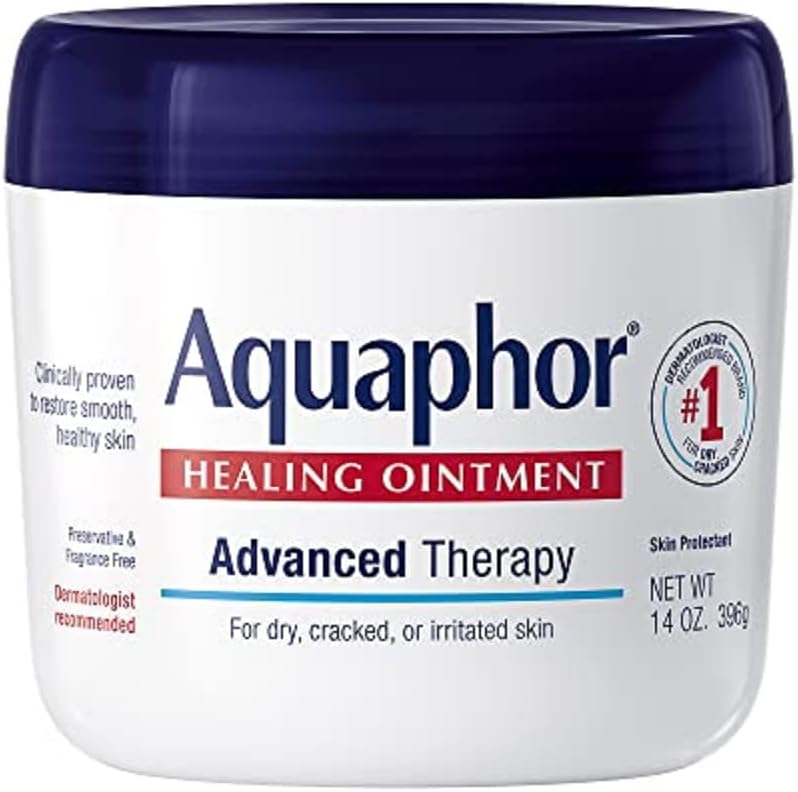
Aquaphor Healing Ointment: this is excellent for sealing and repairing cracked skin
For best results, apply generously before bed and consider wearing cotton gloves or socks on very dry areas.
Hydrate from the Inside
Healthy skin starts from within. If your body is dehydrated, your skin will often show it.
To support hydration internally, we suggest to do the following on a day to day basis;
- Drink water consistently throughout the day
- Eat foods rich in healthy fats (avocado, nuts, olive oil, salmon)
- Limit excess caffeine and alcohol, which can dehydrate the body
You can also support hydration with electrolyte drinks or supplements if needed.
We would recommend:
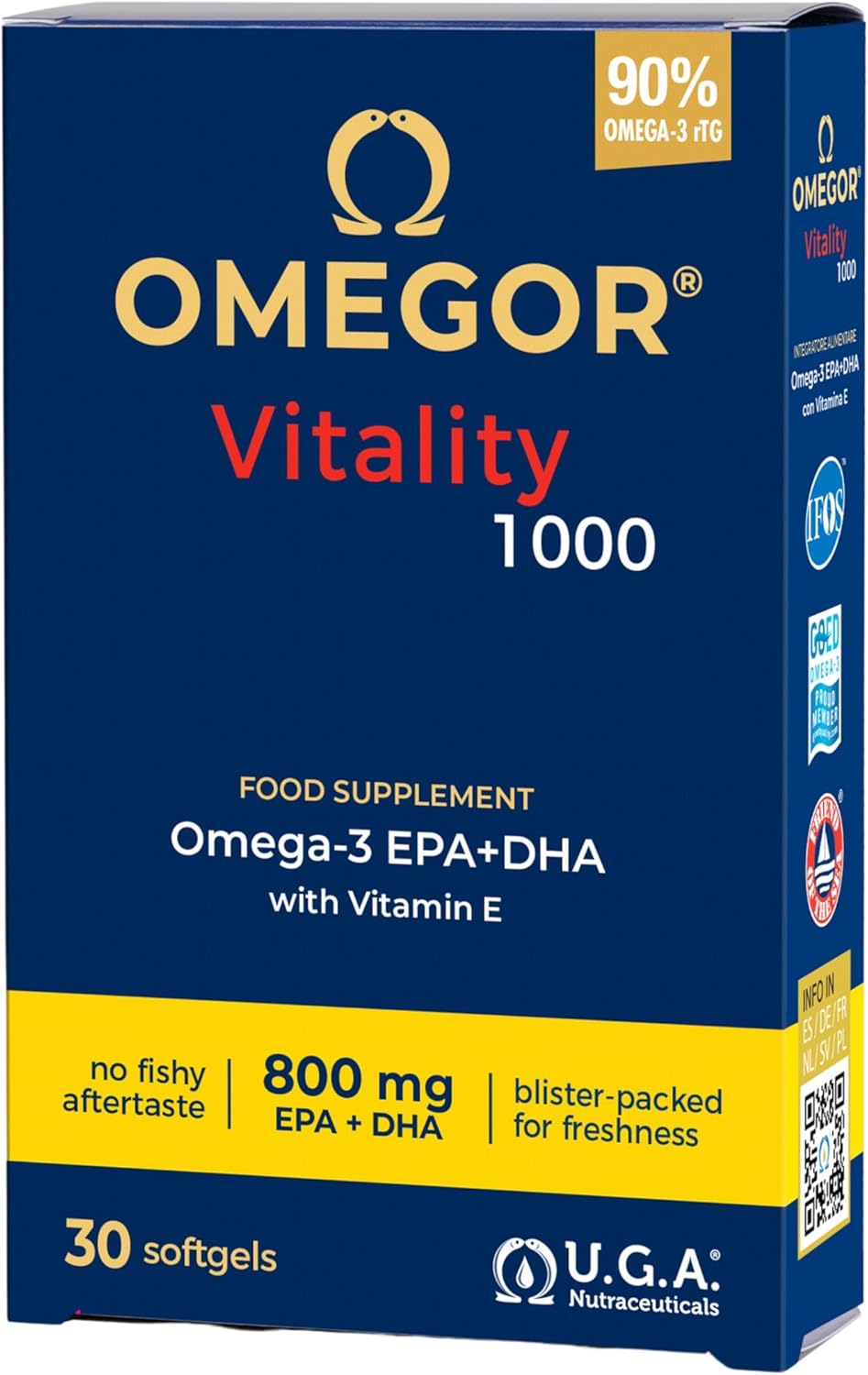
Opti3 Omega-3 Supplement: this is a plant based alternative for skin barrier support.
Focus on Repairing the Skin Barrier
If your skin is extremely dry, the barrier itself is likely highly damaged. Repairing it should be your top priority. Avoid overloading your routine with too many actives or harsh treatments. Instead, focus on gentle, barrier supporting ingredients.
We would recommend:
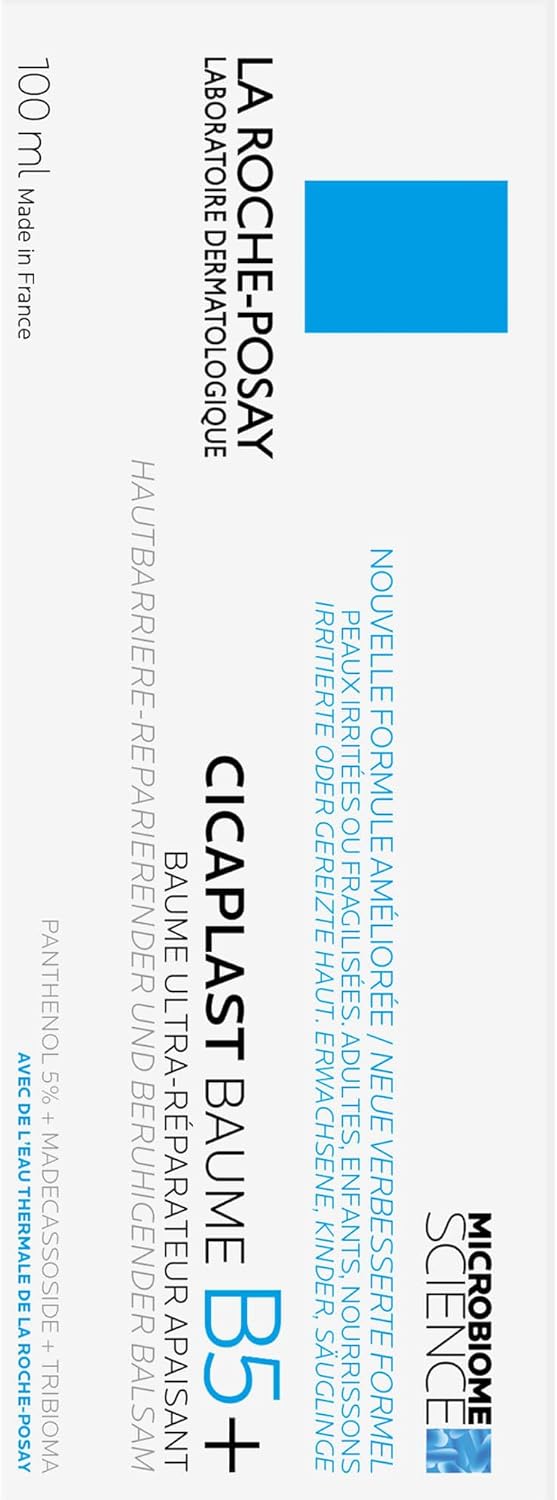
La Roche-Posay Cicaplast Baume B5: excellent for soothing irritation and repairing damaged skin as well as protecting and making the barrier strong again
The goal is to keep your routine simple and consistent.
When to See a Professional
If your dry skin becomes painful, cracked, inflamed, or does not improve despite consistent care, it may be linked to an underlying condition such as eczema, psoriasis, or an allergy. In these cases, it is best to consult a dermatologist or healthcare professional for tailored treatment.
If you are unsure whether or not your skin is dry or perhaps sensitive, have a read through out Sensitive Skin Blog.
Final Thoughts
Extremely dry skin can be uncomfortable, but it is highly manageable with the right approach. The key is to protect your skin barrier, use gentle products, and stay consistent with hydration both inside and out. By following this routine and choosing products that support rather than strip your skin, you can significantly improve softness, comfort, and long-term skin health.
We hope our recommendations are of good use, as well as the information provided.
FAQ’s
How can I treat extremely dry skin quickly?
Focus on the basics: use a gentle cleanser, apply a rich moisturiser straight after washing, and avoid hot showers. With consistent care, you should start noticing an improvement within a few days.
Why is my skin still dry after moisturising?
Your moisturiser may not be rich enough, or you might not be applying it to damp skin. Dry air, dehydration, and certain skin conditions can also make dryness harder to manage.
What’s the best type of moisturiser for extremely dry skin?
Creams and ointments are usually the best option because they provide more hydration and help lock in moisture for longer than lotions.
Can drinking more water help dry skin?
Staying hydrated can support overall skin health, but you’ll also need a good skincare routine to keep moisture locked into the skin.
