

Choosing the right skincare products can feel overwhelming, especially with so many brands and trends available. While social media often introduces the latest skincare craze, dermatologists generally recommend keeping your routine simple, consistent, and focused on ingredients that have been well researched.
In this guide, we’ll explain what a dermatologist-recommended skincare routine looks like, which ingredients professionals commonly recommend, and some of the best products to help you build a healthy skincare routine for your skin type.
What Does Dermatologist Recommended Skincare Mean?
Dermatologist-recommended skincare refers to products and routines that are commonly advised by skin specialists because they contain effective, well-studied ingredients and are suitable for a wide range of skin types.
Rather than using lots of products, dermatologists often recommend building a routine around a few key essentials that support your skin barrier and address your specific skin concerns.
A basic dermatologist-approved routine usually includes:
- Gentle cleanser
- Treatment serum (if needed)
- Moisturiser
- Sunscreen
Why Dermatologists Recommend Simple Skincare
A complicated routine isn’t always a better one. Using too many products or introducing several active ingredients at once can increase the risk of irritation, especially if you have sensitive skin.
A simple routine can:
- Support the skin barrier
- Reduce irritation
- Improve hydration
- Help products work more effectively
- Be easier to follow consistently
Step 1: Cleanse Your Skin
A gentle cleanser removes excess oil, dirt, sunscreen, and impurities without stripping away your skin’s natural moisture. We would recommend:
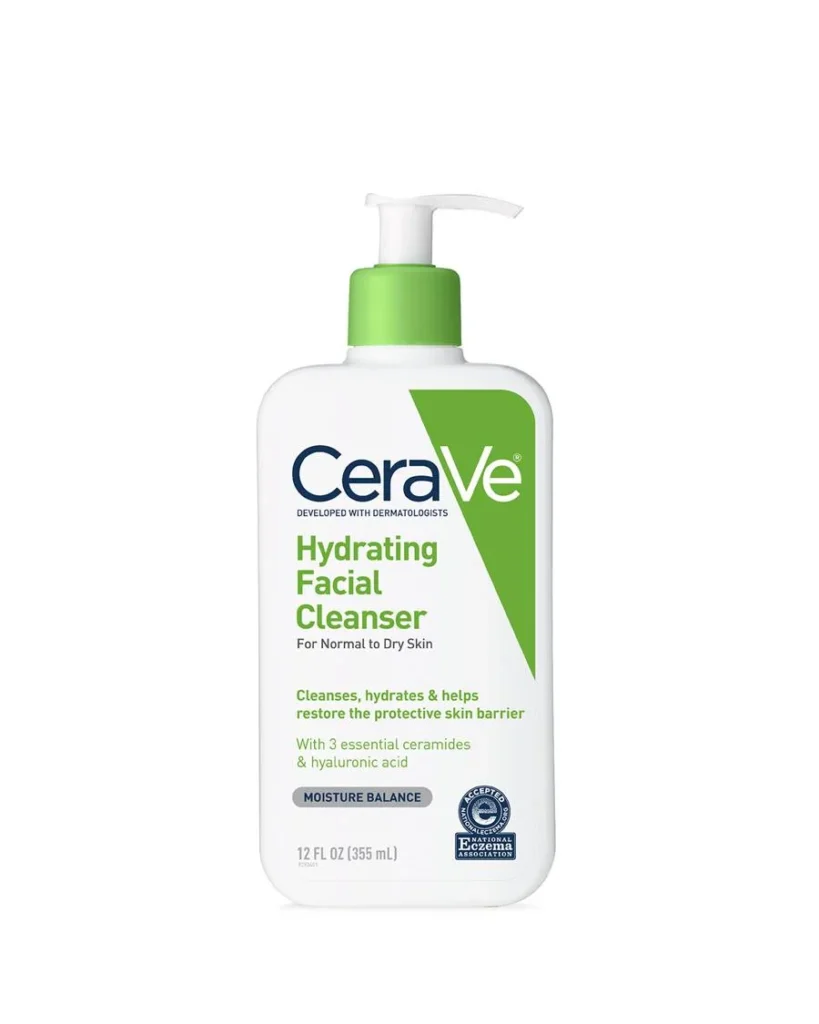
Why we recommend it:
- Developed with dermatologists
- Contains ceramides and hyaluronic acid
- Fragrance-free
- Suitable for most skin types
To read and learn more about which cleanser is best for you, read our cleanser blog here.
Step 2: Apply a Treatment Serum
Treatment serums are designed to target specific skin concerns, making them an excellent addition to your skincare routine. Unlike moisturisers, serums contain higher concentrations of active ingredients that can help improve concerns such as dullness, redness, fine lines, excess oil, or uneven skin tone.
The best serum for you will depend on your skin type and skincare goals. Here are some dermatologist-recommended options:
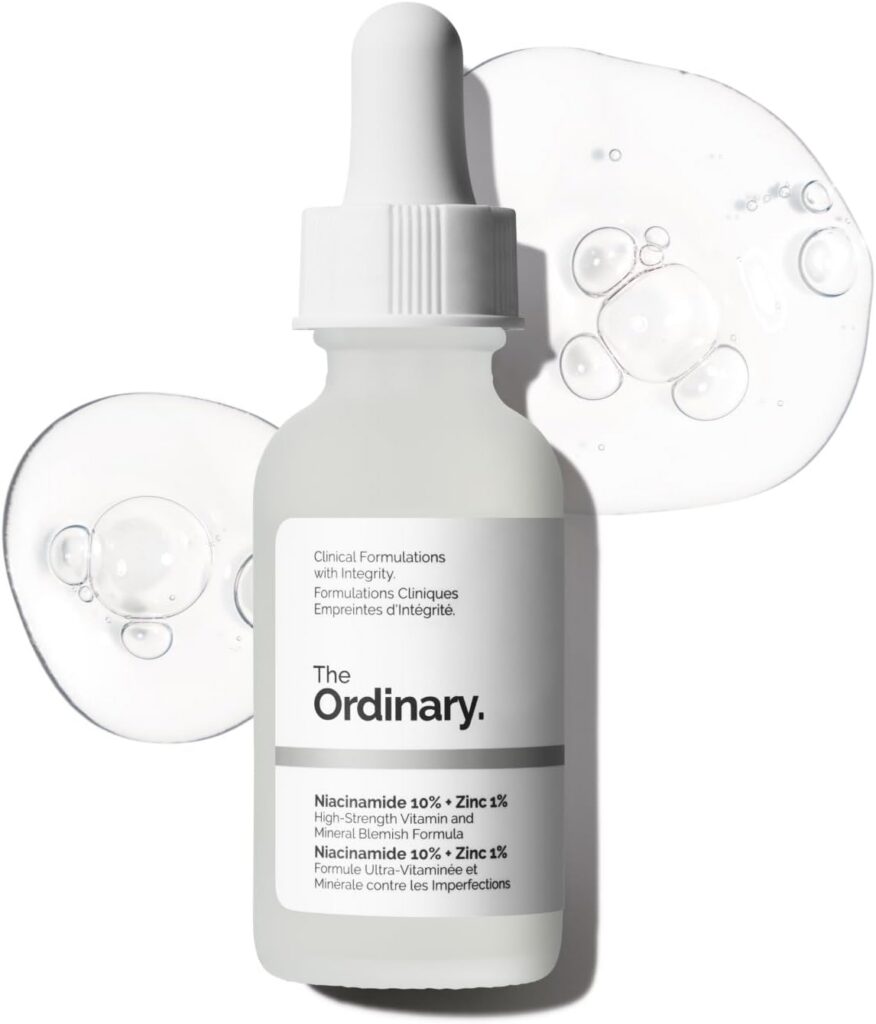
For redness and oil control:
Niacinamide is one of the most versatile skincare ingredients available. It helps regulate excess oil production, minimise the appearance of enlarged pores, strengthen the skin barrier, and reduce redness. This lightweight serum is suitable for most skin types, particularly oily, combination, and acne-prone skin.
The Ordinary Niacinamide 10% + Zinc 1%
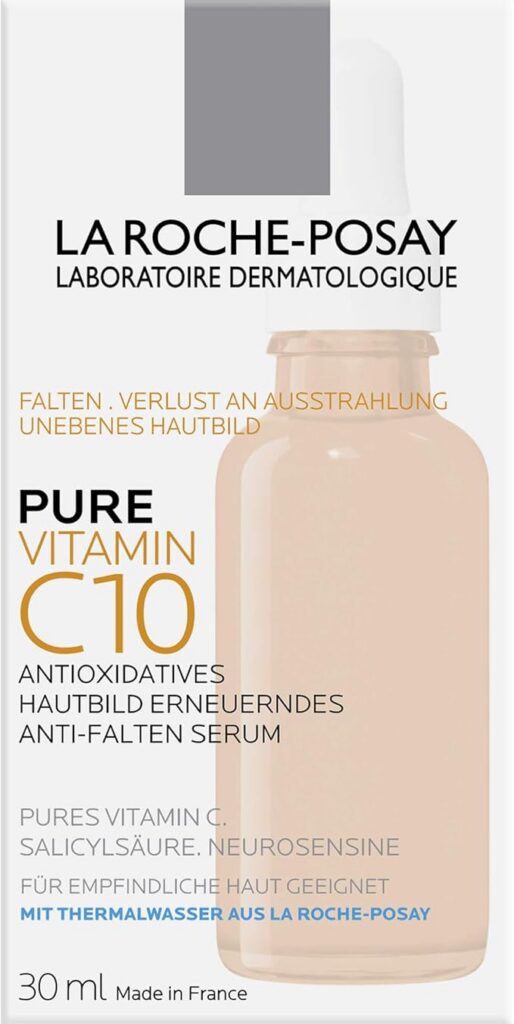
For dull skin:
Vitamin C is a powerful antioxidant that helps brighten the complexion, improve uneven skin tone, and protect the skin from environmental stressors such as pollution. With consistent use, it can leave your skin looking more radiant while helping to reduce the appearance of pigmentation and fine lines.
La Roche-Posay Pure Vitamin C10 Serum
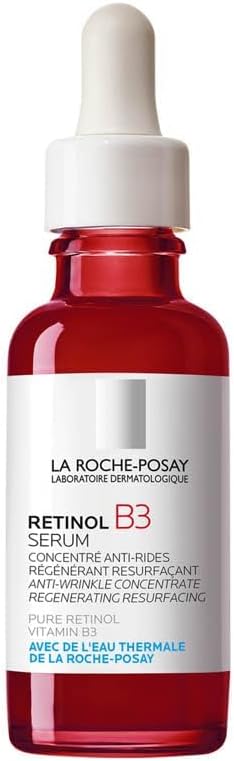
For anti-ageing:
Retinol is widely recommended by dermatologists because it encourages skin cell turnover and supports collagen production. Over time, it can help improve skin texture, soften the appearance of fine lines, and create a smoother, more youthful-looking complexion. If you’re new to retinol, start by using it a couple of evenings per week before gradually increasing usage.
La Roche-Posay Retinol B3 Serum
Using targeted ingredients allows you to personalise your skincare routine without adding unnecessary products.
Step 3: Moisturise
Moisturising helps strengthen the skin barrier and keeps your skin hydrated throughout the day. We would recommend:
CeraVe Facial Moisturising Lotion
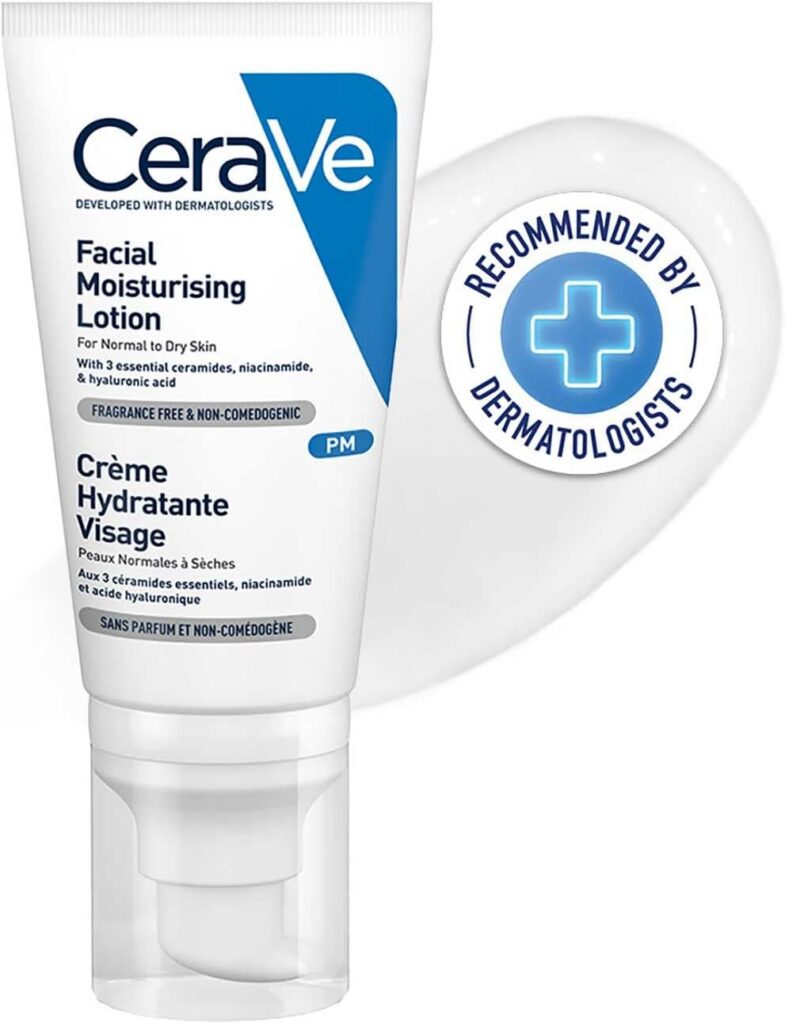
Why we recommend it:
- Lightweight
- Non-comedogenic
- Suitable for sensitive skin
- Contains ceramides
To read and learn more on what moisturiser is best for your skin, read our moisturising blog here.
Step 4: Protect with Sunscreen
Daily sunscreen is one of the most important recommendations made by dermatologists. UV exposure contributes to premature ageing, pigmentation, and increases the risk of skin cancer. We would recommend:
La Roche-Posay Anthelios UVMune 400 Invisible Fluid SPF50+
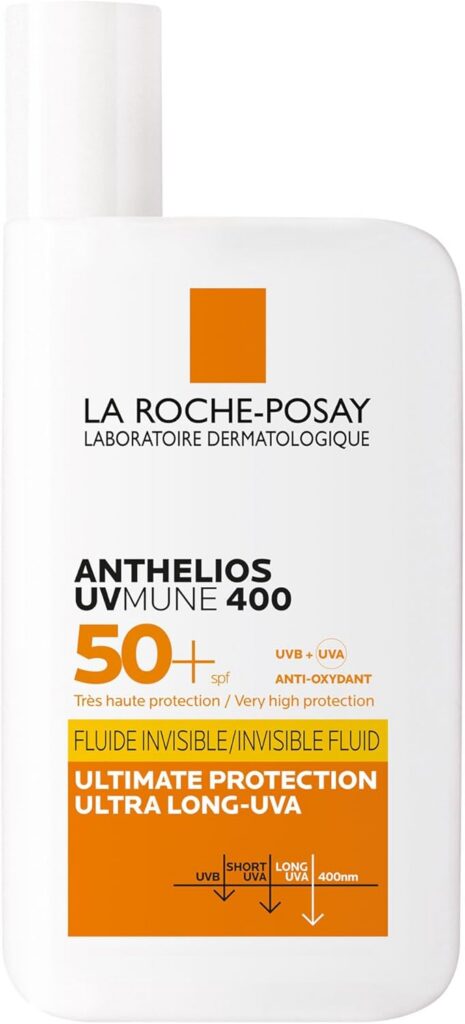
Why we recommend it:
- Broad-spectrum SPF 50+
- Lightweight
- Suitable for sensitive skin
- Doesn’t leave a white cast
Ingredients Dermatologists Commonly Recommend
When building a skincare routine, dermatologists often recommend ingredients that are backed by scientific research and suitable for a wide range of skin types. Rather than following short-lived trends, these ingredients are known for helping to improve the skin barrier, hydration, texture, and overall skin health.
Ceramides
When building a skincare routine, dermatologists often recommend ingredients that are backed by scientific research and suitable for a wide range of skin types. Rather than following short-lived trends, these ingredients are known for helping to improve the skin barrier, hydration, texture, and overall skin health.
Hyaluronic Acid
Hyaluronic acid is one of the most popular hydrating skincare ingredients. It attracts water to the skin, helping to keep it hydrated, plump, and smooth without feeling heavy or greasy. It’s suitable for almost every skin type, including oily and acne-prone skin.
Niacinamide
Niacinamide, also known as vitamin B3, is a versatile ingredient that helps regulate oil production, reduce redness, minimise the appearance of enlarged pores, and strengthen the skin barrier. Because it is generally well tolerated, dermatologists often recommend it for oily, combination, acne-prone, and sensitive skin. To know more on niacinamide products, read our blog here.
Vitamin C
Vitamin C is a powerful antioxidant that helps brighten the complexion while protecting the skin from environmental stressors such as pollution and UV-induced free radicals. It may also help improve uneven skin tone and reduce the appearance of dark spots over time, making it a popular choice for anyone looking to achieve a healthier, more radiant complexion.
Retinol
Retinol is widely recognised as one of the most effective ingredients for improving signs of ageing. It works by encouraging skin cell turnover, helping to smooth uneven texture, reduce the appearance of fine lines and wrinkles, and improve overall skin tone. Beginners should introduce retinol gradually to minimise irritation and always use sunscreen during the day. To read more on retinol, see our blog here.
Salicylic Acid
Salicylic acid is particularly beneficial for oily and acne-prone skin. As a beta hydroxy acid (BHA), it penetrates deep into the pores to remove excess oil and dead skin cells, helping to reduce blackheads, whiteheads, and breakouts while improving overall skin clarity.
Best Dermatologist-Recommended Skincare Brands
There are many skincare brands available today, but some have built a strong reputation for creating gentle, effective products that focus on improving overall skin health. The brands below are widely recognised for using well-researched ingredients and offering products suitable for a variety of skin types and concerns.
CeraVe
CeraVe is one of the most recognised skincare brands and is well known for developing products that help strengthen the skin barrier. Developed with dermatologists, many of its cleansers and moisturisers contain ceramides, hyaluronic acid, and glycerin to help keep the skin hydrated and healthy.
Best for:
- Dry skin
- Sensitive skin
- Acne-prone skin
- Everyday skincare routines
La Roche-Posay
La Roche-Posay offers a wide range of skincare products designed for sensitive, oily, ageing, and acne-prone skin. Many of its formulas are fragrance-free and include ingredients such as niacinamide, vitamin C, salicylic acid, and retinol, making them suitable for treating a variety of skin concerns.
Best for:
- Sensitive skin
- Acne-prone skin
- Fine lines and wrinkles
- Uneven skin tone
Avène
Avène is best known for creating gentle skincare products designed to soothe and calm irritated skin. Many of its products contain Avène Thermal Spring Water, making them a popular choice for people with dry or reactive skin.
Best for:
- Sensitive skin
- Dry skin
- Redness
- Skin barrier support
Eucerin:
Eucerin has been producing skincare products for over a century and focuses on scientifically developed formulas that help improve hydration and repair the skin barrier. The brand offers products for concerns such as dry skin, eczema-prone skin, pigmentation, and ageing.
Best for:
- Very dry skin
- Mature skin
- Rough skin
- Daily moisturising
Dermalogica
Dermalogica is a professional skincare brand that offers targeted products for a variety of skin concerns, including acne, ageing, sensitivity, and dehydration. The brand is popular in professional skincare clinics and among skincare therapists because of its ingredient-focused approach and personalised skincare philosophy.
Best for:
- Combination skin
- Oily skin
- Professional skincare routines
- Personalised skincare
Common Skincare Mistakes
Using Too Many Products
More products don’t always produce better results. A simple routine is often easier to maintain and less likely to irritate your skin.
Ignoring Your Skin Type
Products that work for someone else may not be suitable for your skin. Always choose products that match your individual skin concerns.
Skipping Sunscreen
Daily SPF is one of the most important steps in any dermatologist-recommended skincare routine.
Changing Products Too Quickly
Most skincare products need several weeks of consistent use before noticeable improvements appear.
Over-Exfoliating
Exfoliating too often can damage the skin barrier and leave your skin feeling irritated or sensitive.
How to Choose Products for Your Skin Type
Dry Skin:
Dry skin often feels tight, rough, or flaky and needs products that provide long-lasting hydration. Choose cream cleansers and richer moisturisers that help restore moisture while protecting the skin barrier. To know more about dry skin, read our blog here.
Look for ingredients such as:
- Ceramides
- Hyaluronic acid
- Glycerin
- Shea butter
- Squalane
Oily Skin:
Oily skin produces excess sebum, which can lead to shine and clogged pores. Lightweight, oil-free products help balance the skin without making it feel greasy. Avoid harsh cleansers that completely strip away natural oils, as this can sometimes increase oil production. To know more about oily skin, read our blog here.
Look for ingredients such as:
- Niacinamide
- Salicylic acid
- Hyaluronic acid
- Zinc
- Green tea extract
Combination Skin:
Combination skin usually has an oily T-zone (forehead, nose, and chin) with drier cheeks. The goal is to maintain hydration while controlling excess oil where needed. Lightweight moisturisers and gentle cleansers are often the best choice. To know more about combination skin, read our blog here.
Look for ingredients such as:
- Niacinamide
- Ceramides
- Hyaluronic acid
- Glycerin
Sensitive Skin:
Sensitive skin benefits from simple, fragrance-free skincare products that help calm irritation and strengthen the skin barrier. Introducing products gradually can also reduce the risk of reactions. To know more about sensitive skin, read our blog here.
Look for ingredients such as:
- Ceramides
- Panthenol
- Colloidal oatmeal
- Glycerin
- Hyaluronic acid
Final Thoughts
A dermatologist-recommended skincare routine doesn’t need to be complicated. By focusing on gentle cleansing, targeted treatments, moisturising, and daily sunscreen, you can build a routine that supports healthy skin over the long term.
Remember that consistency is far more important than using lots of products. Choose skincare that suits your skin type, introduce new ingredients gradually, and give products time to work.
FAQ’s
What skincare do dermatologists recommend?
Dermatologists commonly recommend gentle cleansers, moisturisers, sunscreen, and products containing ingredients such as ceramides, niacinamide, vitamin C, and retinol, depending on your skin concerns.
What is the best dermatologist-recommended skincare routine?
A basic routine includes a cleanser, treatment serum, moisturiser, and sunscreen during the day. Additional products can be added depending on your skin’s needs.
Is Dermalogica recommended by dermatologists?
Dermalogica is widely used by skincare professionals and estheticians. Whether it’s the right choice for you depends on your skin type, concerns, and the specific products you’re considering.
Do I need expensive skincare?
Not necessarily. Many affordable brands, such as CeraVe and La Roche-Posay, offer products with well-researched ingredients that are commonly recommended by dermatologists.
How long does it take to see results from a skincare routine?
Most skincare products take between four and twelve weeks of consistent use before noticeable improvements appear, although this depends on the product and your skin concern.
