
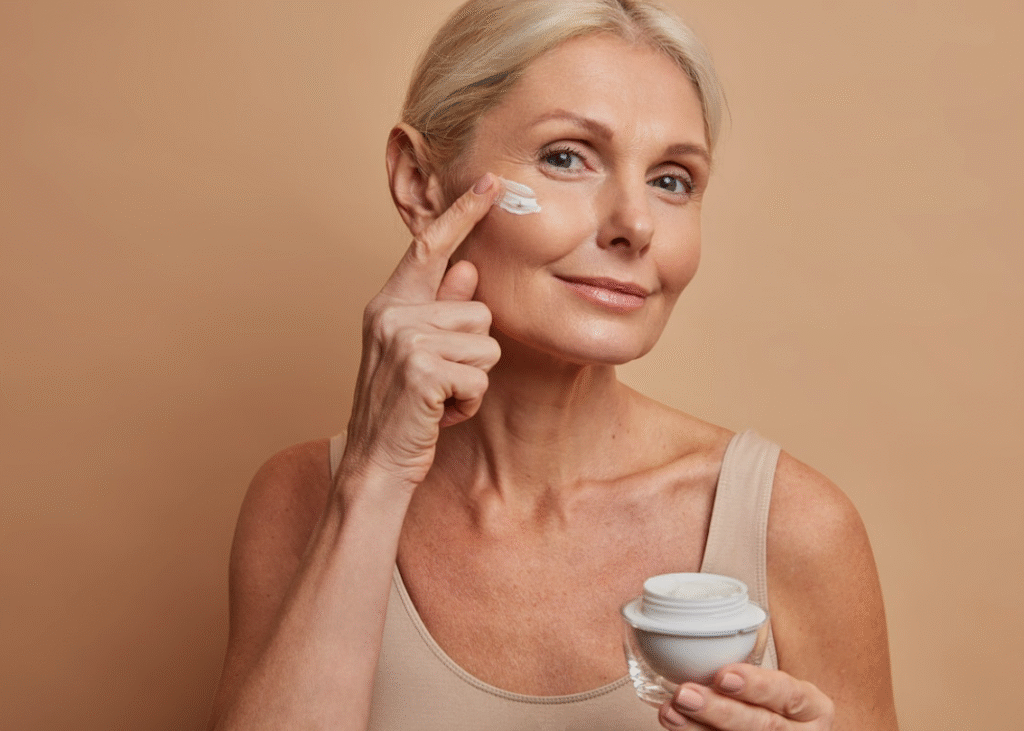
Menopause brings many changes to the body, including noticeable changes to your skin. As hormone levels naturally decline, particularly oestrogen, your skin may become drier, thinner, less firm, and more sensitive than before. You may also notice an increase in fine lines, uneven skin tone, or even unexpected breakouts.
The good news is that a simple, consistent skincare routine can help support your skin during menopause. By choosing products that focus on hydration, skin barrier repair, and collagen support, you can keep your skin looking healthy and feeling comfortable.
In this guide, we’ll explain how menopause affects your skin, the best ingredients to look for, and the ideal menopause skincare routine.
How Does Menopause Affect Your Skin?
During menopause, the body produces less oestrogen, a hormone that plays an important role in maintaining healthy skin. As hormone levels change, your skin naturally produces less collagen and fewer oils, making it more prone to dryness and irritation.
Common skin changes during menopause include:
- Dryness and dehydration
- Fine lines and wrinkles
- Loss of firmness
- Increased sensitivity
- Uneven skin tone
- Age spots
- Occasional hormonal breakouts
Although these changes are completely normal, the right skincare routine can help improve your skin’s appearance and comfort.
Best Menopause Skincare Routine
Step 1: Cleanse Gently
Start your day with a gentle cleanser that removes dirt, excess oil, and impurities without stripping away your skin’s natural moisture. We would recommend:
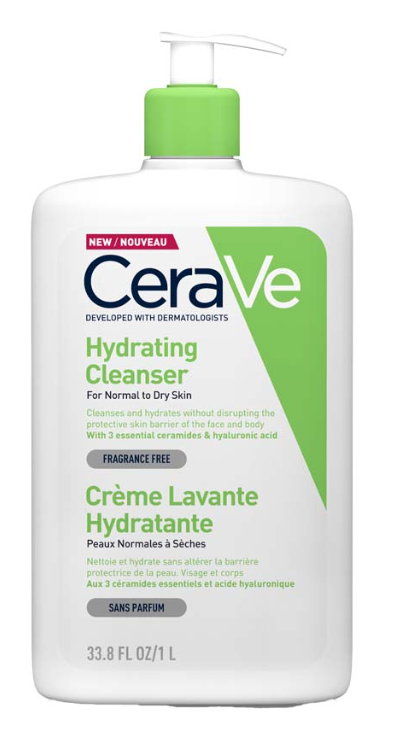
Why we recommend it:
- Developed with dermatologists
- Contains ceramides and hyaluronic acid
- Fragrance-free
- Helps support the skin barrier
Step 2: Apply an Antioxidant Serum
An antioxidant serum, such as vitamin C, helps brighten the complexion while protecting your skin from environmental damage. We would recommend:
La Roche-Posay Pure Vitamin C10 Serum
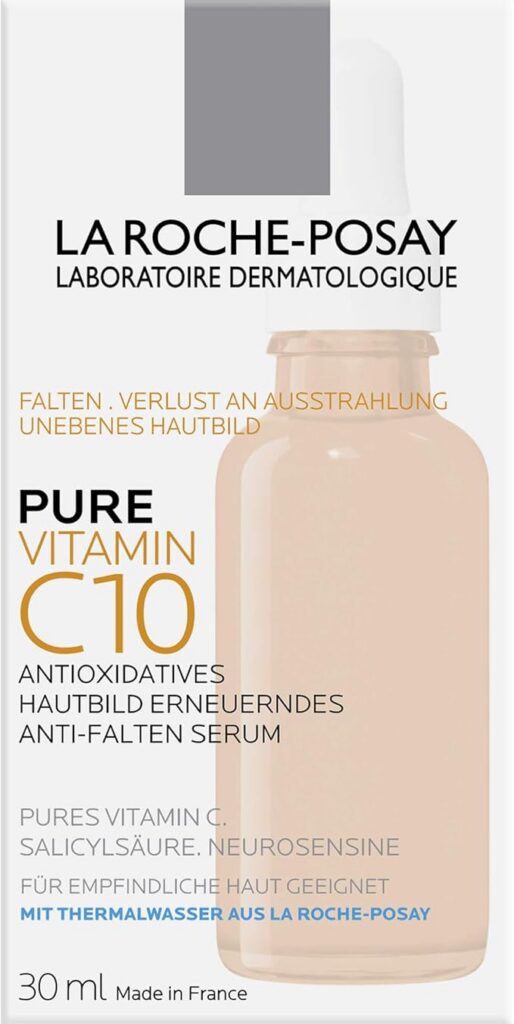
Why we recommend it:
- Helps brighten dull skin
- Supports a more even skin tone
- Lightweight and easy to layer
- Suitable for most skin types
Step 3: Add a Hydrating Serum
As menopausal skin often becomes dehydrated, a hydrating serum can help restore moisture and improve skin comfort. We would recommend:
Vichy Minéral 89 Hyaluronic Acid Serum
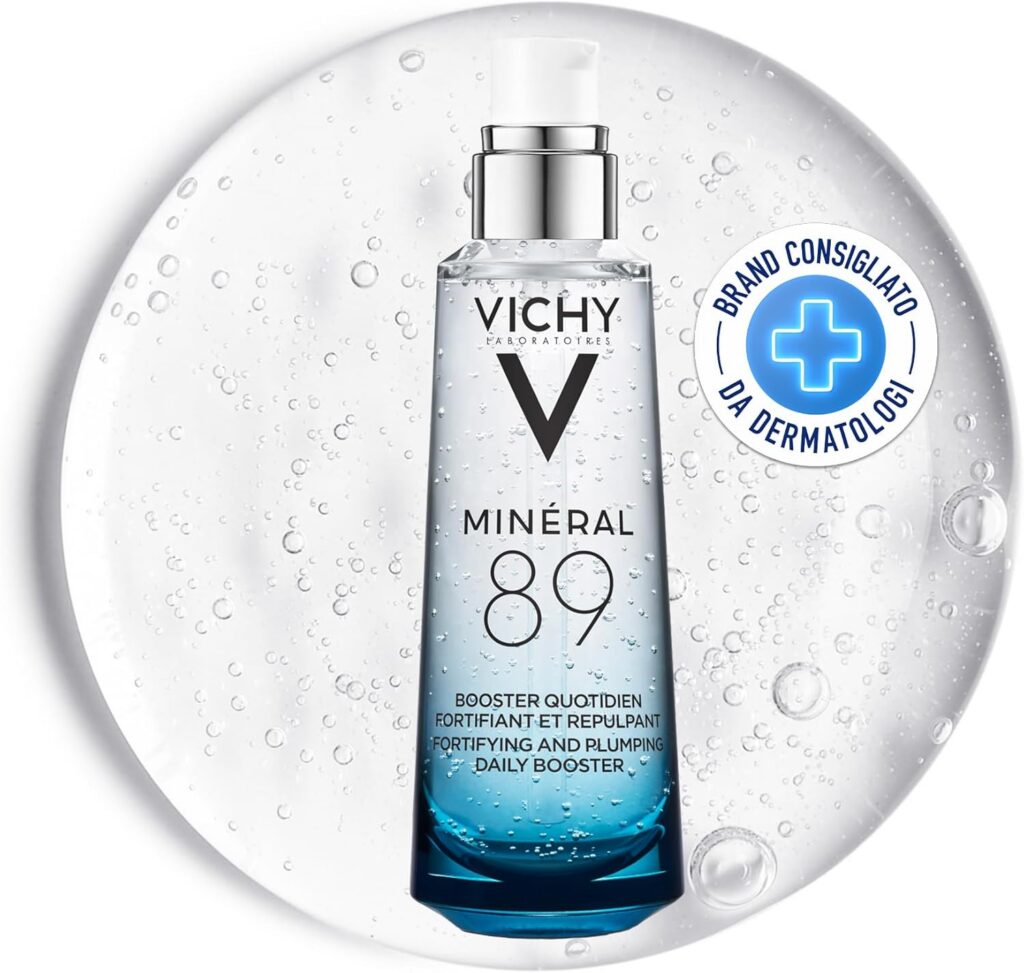
Why we recommend it:
- Boosts hydration
- Leaves skin feeling plumper
- Lightweight, fast-absorbing formula
- Suitable for daily use
Step 4: Moisturise
A rich moisturiser helps lock in hydration and strengthen the skin barrier. We would recommend:
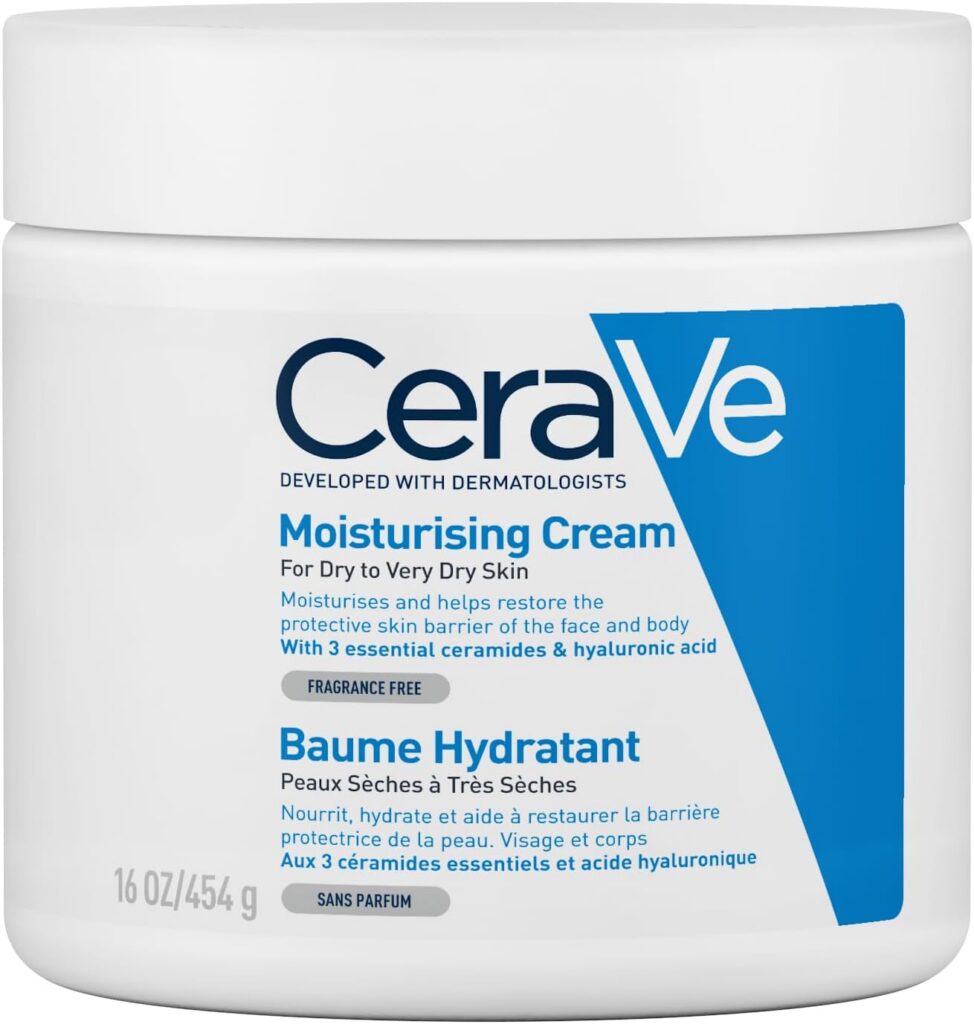
Why we recommend it:
- Rich but non-greasy
- Contains ceramides
- Long-lasting hydration
- Suitable for dry and sensitive skin
Step 5: Protect with Sunscreen
Daily sunscreen is essential at every age, but it’s particularly important during menopause when the skin becomes more vulnerable to sun damage and pigmentation. We would recommend:
La Roche-Posay Anthelios UVMune 400 Invisible Fluid SPF50+
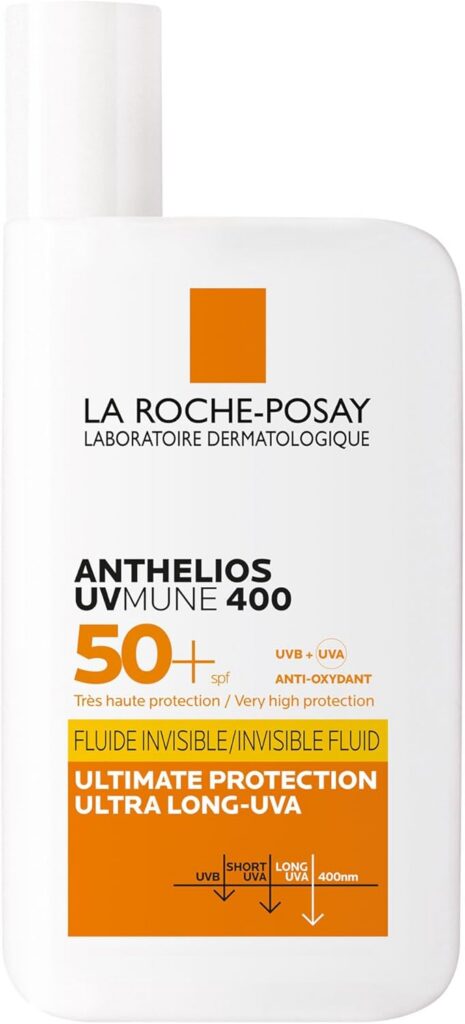
Why we recommend it:
- Broad-spectrum SPF50+
- Lightweight finish
- Suitable for sensitive skin
- Helps protect against premature skin ageing
Ingredients That Help Menopausal Skin
As oestrogen levels decline during menopause, your skin naturally loses moisture, collagen, and elasticity. Choosing skincare products with ingredients that hydrate, strengthen the skin barrier, and support collagen production can help improve the appearance and comfort of menopausal skin.
Hyaluronic Acid
Hyaluronic acid is one of the most effective hydrating ingredients in skincare. It attracts and holds water within the skin, helping it appear plumper, smoother, and more hydrated. As menopausal skin often becomes dry and dehydrated, a hyaluronic acid serum can provide an instant boost of moisture without feeling heavy.
Ceramides
Ceramides are naturally occurring lipids that help hold skin cells together and maintain a healthy skin barrier. During menopause, the skin barrier can become weaker, making the skin more prone to dryness and irritation. Products containing ceramides help lock in moisture, reduce water loss, and improve overall skin comfort.
Vitamin C
Vitamin C is a powerful antioxidant that helps brighten dull skin while protecting it from environmental damage caused by pollution and UV exposure. It may also help reduce the appearance of pigmentation and support collagen production, leaving the skin looking brighter and more even.
Retinol
Retinol is widely recognised as one of the most effective ingredients for improving visible signs of ageing. It works by encouraging skin cell turnover and supporting collagen production, helping to reduce the appearance of fine lines, wrinkles, and uneven skin texture. If you’re new to retinol, start by using it once or twice a week before gradually increasing usage. To read more about retinol, click our blog here.
Niacinamide
Niacinamide, also known as vitamin B3, is a gentle ingredient suitable for almost every skin type. It helps strengthen the skin barrier, reduce redness, improve hydration, and regulate oil production. It may also help minimise the appearance of enlarged pores and improve overall skin texture. To read more about niacinamide, read our blog here.
Peptides
Peptides are short chains of amino acids that help support the skin’s natural collagen production. As collagen levels naturally decrease during menopause, peptides may help improve skin firmness and elasticity over time while supporting a smoother complexion.
Glycerin
Glycerin is a powerful humectant that attracts moisture into the skin and helps maintain hydration throughout the day. It’s commonly found in moisturisers and cleansers and works particularly well alongside ceramides and hyaluronic acid.
Squalane
Squalane is a lightweight oil that helps replenish the skin’s natural moisture without leaving a greasy finish. It’s an excellent choice for menopausal skin because it helps soften dry patches while supporting the skin barrier.
Ingredients to Use with Care
Although active ingredients can be beneficial, menopausal skin may become more sensitive over time. Strong exfoliating acids, high-strength retinol, or products containing large amounts of alcohol and fragrance may increase irritation if introduced too quickly. It’s usually best to introduce one new active ingredient at a time and monitor how your skin responds.
Common Menopause Skincare Mistakes
Using Harsh Cleansers
As your skin produces less natural oil during menopause, harsh cleansers can remove the little moisture your skin has, leaving it feeling tight and uncomfortable. Choosing a gentle, hydrating cleanser helps keep your skin clean without damaging the skin barrier. To know more about cleansers, read our blog here.
Skipping Moisturiser
One of the biggest skincare mistakes during menopause is avoiding moisturiser. Even if your skin doesn’t feel particularly dry, applying a moisturiser morning and evening helps strengthen the skin barrier, reduce moisture loss, and improve overall skin comfort. To read and learn more about moisturisers, read our blog here.
Forgetting Sunscreen
Daily sunscreen is essential at every stage of life, but it’s especially important during menopause when the skin becomes more vulnerable to sun damage and pigmentation. Applying a broad-spectrum SPF 30 or higher every morning helps protect your skin and maintain the results of your skincare routine.
Using Too Many Active Ingredients
Introducing multiple active ingredients such as retinol, exfoliating acids, and vitamin C all at once can overwhelm menopausal skin, leading to irritation or sensitivity. Instead, introduce new products gradually and allow your skin time to adjust.
Expecting Immediate Results
Healthy skin takes time. Most skincare products need several weeks of regular use before noticeable improvements appear. Consistency is far more important than constantly switching products.
Not Adjusting Your Routine
Your skincare routine should evolve as your skin changes. Products that worked well in your twenties or thirties may no longer provide enough hydration or support during menopause. Regularly reassessing your routine can help ensure it continues to meet your skin’s needs.
Over-Exfoliating
Exfoliation can improve skin texture, but doing it too often may weaken the skin barrier and increase dryness. Limiting exfoliation to once or twice a week using a gentle chemical exfoliant is usually enough for menopausal skin. To know more about exfoliating, read our blog here.
Ignoring the Neck and Chest
Many people focus solely on their face, but the neck and chest often show signs of ageing just as quickly. Applying your cleanser, serum, moisturiser, and sunscreen to these areas can help maintain a more even-looking complexion.
Not Drinking Enough Water
While moisturiser hydrates the skin from the outside, staying hydrated also supports your overall skin health. Drinking enough water alongside a balanced diet can help keep your skin looking and feeling healthier.
Chasing Every New Trend
It can be tempting to buy every new product you see online, but dermatologists often recommend keeping your routine simple. A consistent routine built around proven ingredients is usually far more effective than constantly changing products or following short-lived skincare trends.
Final Thoughts
Menopause is a natural stage of life, and changes to your skin are completely normal. While you can’t stop these changes entirely, you can support your skin by using gentle, hydrating products and following a consistent skincare routine.
Focusing on ingredients such as ceramides, hyaluronic acid, vitamin C, and niacinamide can help improve hydration, strengthen the skin barrier, and leave your complexion looking healthier and more radiant.
Remember that consistency is key, and choosing products suited to your skin’s changing needs will often provide the best long-term results.
FAQ’s
How does menopause affect your skin?
Menopause can lead to drier, thinner, and more sensitive skin due to a natural decline in oestrogen levels. You may also notice fine lines, reduced firmness, and uneven skin tone.
What is the best skincare routine for menopause?
A simple routine including a gentle cleanser, antioxidant serum, hydrating serum, moisturiser, and daily sunscreen is a great foundation for menopausal skin.
Which ingredients are best for menopausal skin?
Ingredients such as hyaluronic acid, ceramides, vitamin C, niacinamide, peptides, and retinol are commonly used to support hydration, skin barrier function, and healthy ageing.
Can menopause cause acne?
Yes. Some women experience hormonal breakouts during menopause due to changing hormone levels. Gentle, non-comedogenic skincare and ingredients such as niacinamide may help.
Is sunscreen important during menopause?
Absolutely. Daily sunscreen helps protect the skin from UV damage, pigmentation, and premature ageing, making it an essential step in any menopause skincare routine.
