
If your skin often feels irritated after trying new skincare products, becomes red easily, or reacts to environmental changes, you may have sensitive skin. While sensitive skin can be frustrating to manage, the good news is that choosing the right products and following a gentle routine can make a huge difference.
In this guide, we’ll explain the meaning of sensitive skin, how to tell if you have sensitive skin, common causes of skin sensitivity, and the best skincare for sensitive skin to help keep your complexion calm and comfortable.

What Is Sensitive Skin?
A common question people ask is, “What is sensitive skin?” Sensitive skin isn’t technically a medical diagnosis. Instead, it refers to skin that is more prone to irritation, redness, itching, burning, or discomfort when exposed to certain products, ingredients, or environmental factors.
People with sensitive skin may react to things that don’t affect others, such as fragrances, harsh cleansers, weather changes, or certain skincare ingredients. Understanding the sensitive skin meaning is the first step towards finding products that work for your skin rather than against it.
How to Know If You Have Sensitive Skin
Wondering how to know if you have sensitive skin? Some of the most common signs include:
- Redness after using skincare products
- Burning or stinging sensations
- Itching or irritation
- Dry, flaky patches
- Reactions to fragranced products
- Skin that feels tight or uncomfortable
If these symptoms sound familiar, there’s a good chance you have some degree of skin sensitivity.
Why Is My Skin So Sensitive?
Many people ask, “Why is my skin so sensitive?” There isn’t always one simple answer. Sensitive skin can be caused by:
- A weakened skin barrier
- Genetics
- Allergies
- Environmental factors
- Over-exfoliation
- Using harsh skincare products
- Skin conditions such as eczema or rosacea
In many cases, sensitivity develops because the skin barrier has become damaged and struggles to protect against external irritants.
Use a Gentle Cleanser
The foundation of any skincare routine is cleansing, but sensitive skin requires extra care. Harsh cleansers can strip the skin and trigger irritation, so it’s important to choose formulas designed for sensitive skin.
We would recommend:
Cetaphil Gentle Skin Cleanser: this product gives you a softer and smoother skin in one use with Cetaphil’s unique blend of Salicylic Acid, Mandelic Acid, and Gluconolactone blend.
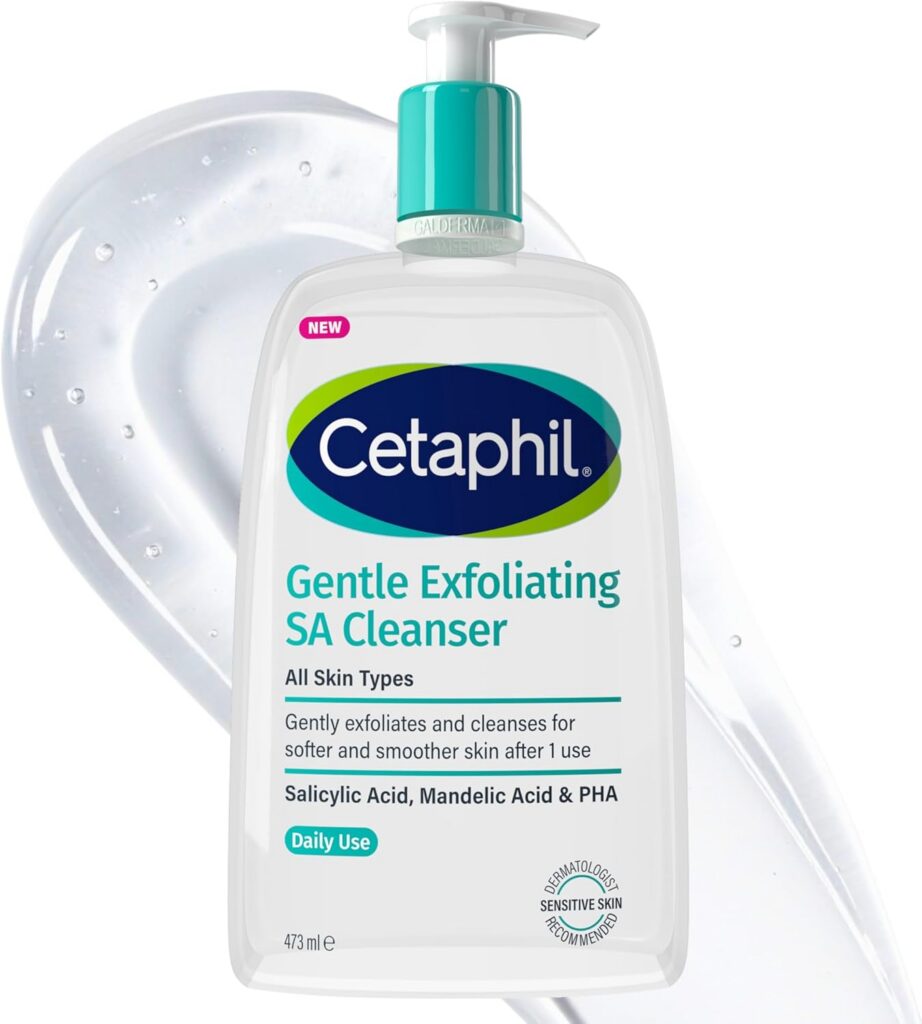
These cleansers effectively remove dirt and impurities while helping to maintain the skin barrier.
Focus on Hydration
Keeping sensitive skin hydrated can help reduce irritation and strengthen the skin barrier.
Look for ingredients such as:
- Hyaluronic acid
- Glycerin
- Ceramides
- Squalane
We would recommend:
La Roche-Posay Hyalu B5 Serum: this product Unclogs pores Targets blemishes Targets blackheads Removes oiliness
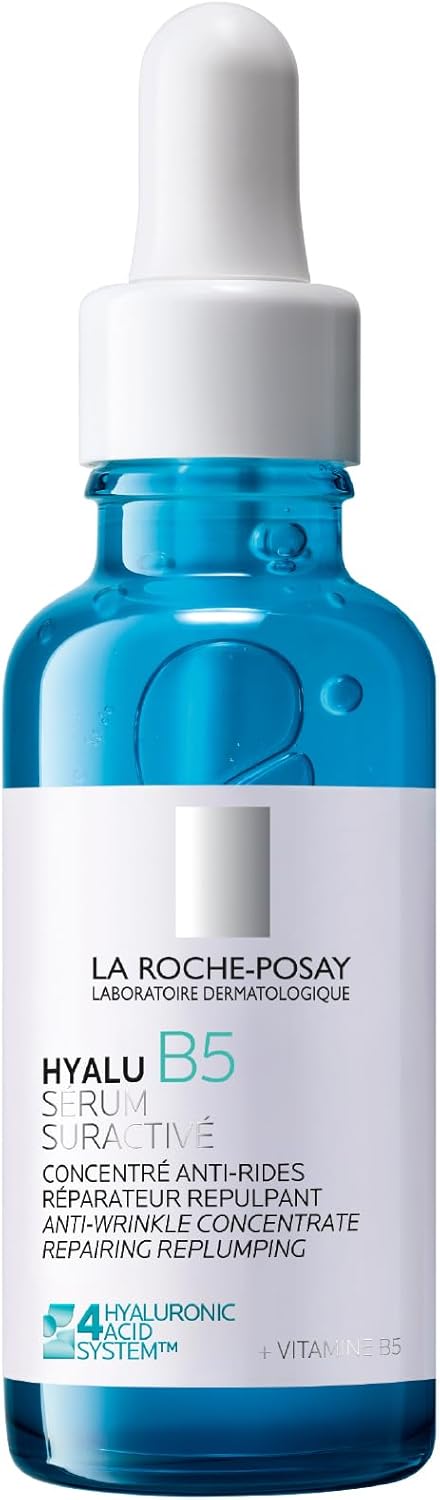
These products provide hydration without overwhelming sensitive skin.
Choose the Best Moisturiser for Sensitive Skin
Moisturiser is one of the most important products for managing skin sensitivity. The right moisturiser can help repair the skin barrier, reduce dryness, and minimise irritation.
We would recommend:
CeraVe Moisturising Cream: this product is developed with dermatologists, this rich cream delivers instant and long-lasting 24-hour hydration for dry to very dry skin on face and body
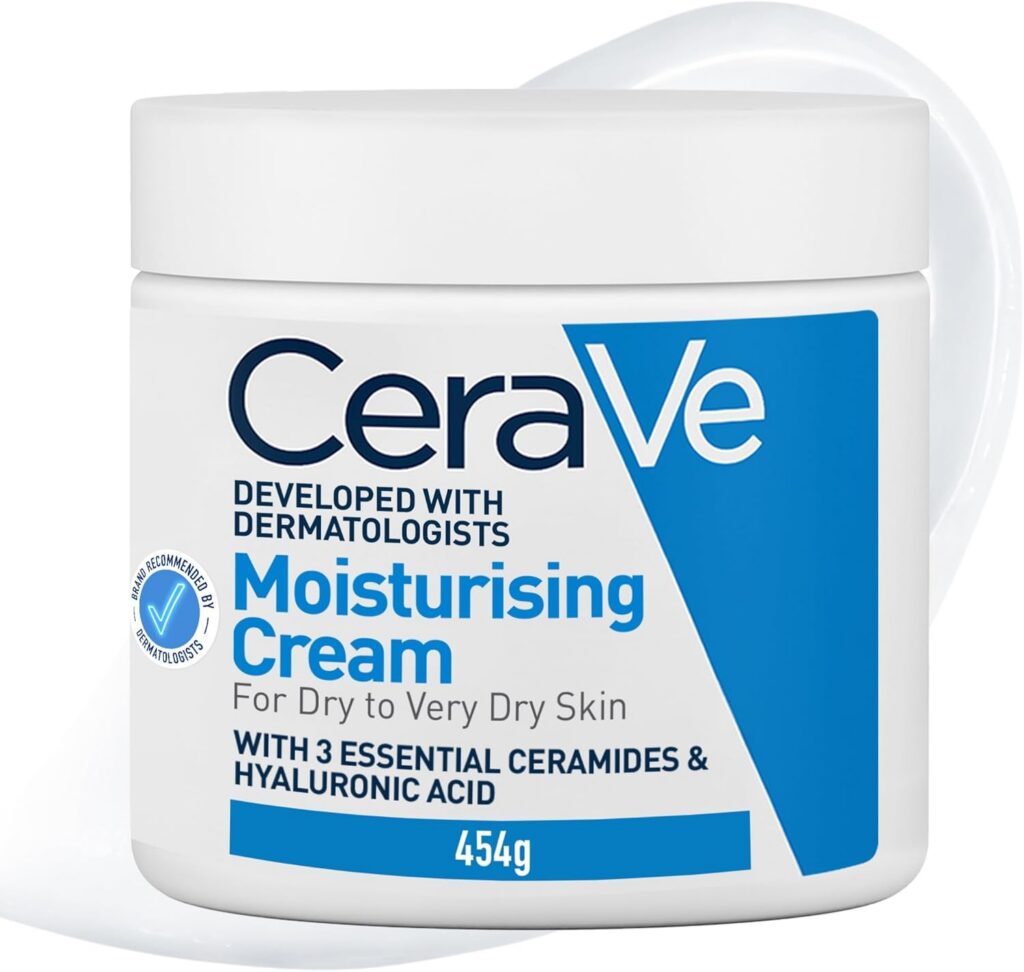
Look for fragrance-free formulas whenever possible.
Avoid Fragrances and Harsh Ingredients
One of the easiest ways to reduce irritation is to avoid common triggers.
People with sensitive skin often react to:
- Artificial fragrances
- Alcohol-heavy formulas
- Harsh exfoliants
- Essential oils
- Strong acids
Instead, choose simple products with shorter ingredient lists and fewer potential irritants.
We would recommend:
Simple Kind to Skin Moisturising Facial Wash: this product is suitable for all skin types, including sensitive
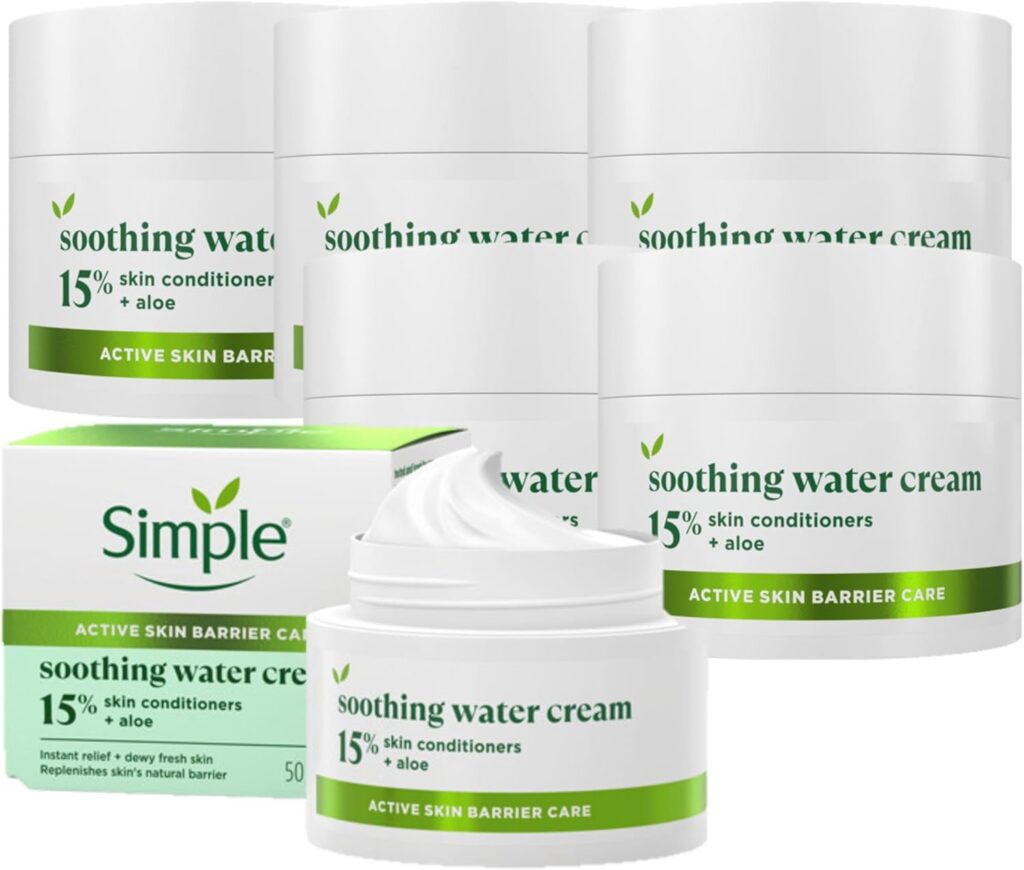
These products are specifically designed to minimise the risk of irritation.
Protect Your Skin With Daily SPF
Sun exposure can worsen redness and sensitivity, making sunscreen an essential part of your routine. The best sunscreens for sensitive skin are lightweight, fragrance-free, and formulated to minimise irritation.
We would recommend:
Avene Very High Protection Fluid SPF 50+: this product is water resistant
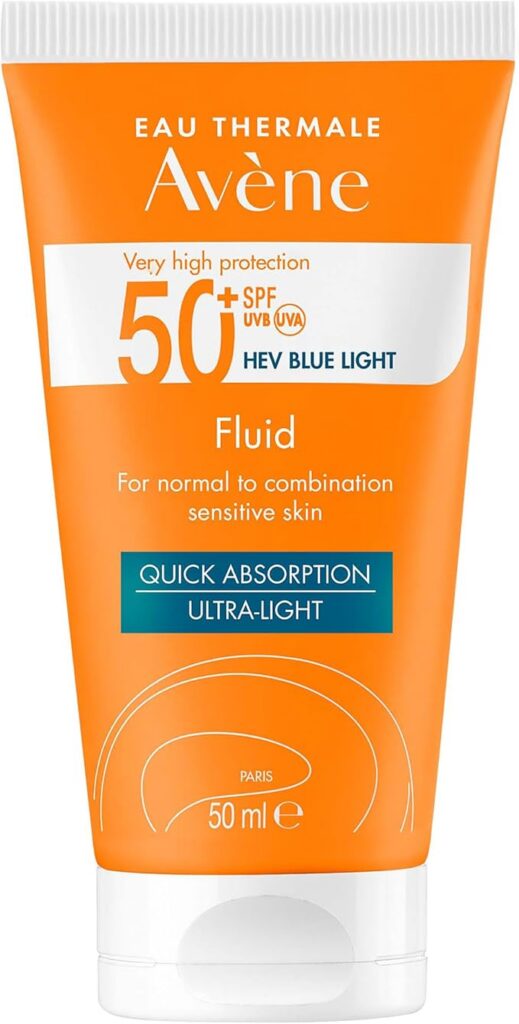
Daily sun protection helps prevent further damage to the skin barrier. For further information on how to protect your skin with SPF, read our SPF blog here.
Repair the Skin Barrier
A damaged skin barrier is often at the root of skin sensitivity. Using products that focus on barrier repair can help reduce redness, dryness, and irritation over time.
We would recommend:
La Roche-Posay Cicaplast Baume B5+: this product is for dry and sensitive skin
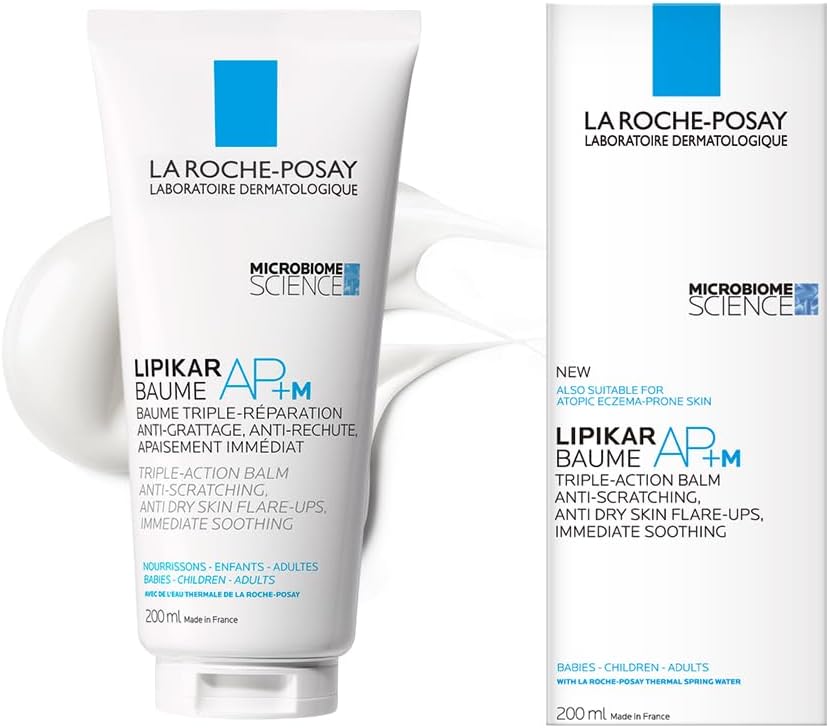
These products are excellent for calming and protecting stressed skin.
Introduce New Products Slowly
Sensitive skin doesn’t usually respond well to lots of new products at once.
When trying something new:
- Patch test first
- Introduce one product at a time
- Wait at least a week before adding another
This makes it easier to identify potential triggers and avoid unnecessary irritation.
Best Skincare Routine for Sensitive Skin
If you’re unsure where to start, keep things simple.
Morning:
- Gentle cleanser
- Hydrating serum
- Moisturiser
- Sunscreen
Evening:
- Gentle cleanser
- Moisturiser
- Barrier repair cream if needed
Simple routines are often the most effective for sensitive skin.
Final Thoughts
Living with sensitive skin can be challenging, but understanding what sensitive skin is and identifying your triggers can make a huge difference.
The best skincare for sensitive skin focuses on gentle cleansing, hydration, barrier repair, and sun protection. By choosing products specifically designed for sensitive skin and avoiding harsh ingredients, you can help reduce irritation and keep your skin feeling calm, comfortable, and healthy.
Remember, consistency is key, and sometimes less is more when it comes to sensitive skincare.
FAQ’s
How do I know if I have sensitive skin?
If your skin often becomes red, itchy, irritated, or reacts to new skincare products, you may have sensitive skin. Many people also experience burning or stinging after using certain ingredients.
Why is my skin so sensitive?
Sensitive skin can be caused by genetics, a weakened skin barrier, allergies, harsh skincare products, or skin conditions such as eczema and rosacea.
What products are best for sensitive skin?
Gentle, fragrance-free products are usually the best choice. Look for ingredients like ceramides, glycerin, hyaluronic acid, and oat extract to help soothe and hydrate the skin.
Should sensitive skin avoid exfoliation?
Not necessarily, but it’s important to exfoliate carefully. Harsh scrubs and strong acids can irritate sensitive skin, so gentler exfoliants should be used sparingly.
Can sensitive skin become less sensitive over time?
Yes. By using gentle skincare products and focusing on repairing your skin barrier, you may notice fewer reactions and improved skin comfort over time.
