
If you’ve spent any time researching anti-ageing skincare, you’ve probably come across retinol. Often considered one of the most effective skincare ingredients available, retinol is praised for its ability to improve skin texture, reduce the appearance of wrinkles, and support a more youthful-looking complexion.
However, for beginners, retinol can feel intimidating. With so many retinol creams, serums, and treatments on the market, it can be difficult to know where to start.
In this guide, we’ll cover the benefits of retinol, how to introduce it into your routine safely, and the best retinol serums for beginners that are worth considering.
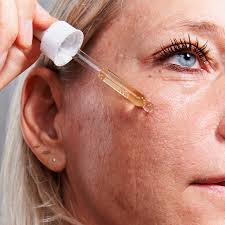
What is Retinol?
Retinol is a derivative of vitamin A and is one of the most researched ingredients in skincare. It works by increasing skin cell turnover, helping to reveal fresher, smoother-looking skin over time.
Many people use retinol to address concerns such as:
- Fine lines and wrinkles
- Uneven skin tone
- Dull skin
- Acne-prone skin
- Enlarged pores
- Skin texture issues
While retinol can deliver impressive results, it’s important to introduce it gradually to minimise irritation.
Benefits of Retinol
There are many benefits of retinol, which is why it remains a staple ingredient in so many skincare routines.
Helps Reduce Fine Lines and Wrinkles
One of the biggest reasons people use retinol is its ability to improve the appearance of fine lines and wrinkles. Regular use can help promote smoother, firmer-looking skin.
Improves Skin Texture
Retinol encourages cell turnover which can help improve rough or uneven skin texture.
Supports Clearer Skin
Many people find retinol beneficial for reducing breakouts and helping to keep pores clear.
Brightens Dull Skin
By encouraging new skin cells to come to the surface, retinol can help create a brighter, more radiant complexion.
How to Start Using Retinol
If you’re a beginner, it’s important not to rush.
Start by:
- Using retinol 1–2 nights per week
- Applying a pea-sized amount
- Following with moisturiser
- Wearing SPF every morning
Many beginners experience mild dryness or irritation when they first start using retinol. This is normal and often improves as your skin adjusts.
Best Retinol Serums for Beginners
If you’re looking for the best retinol serum for beginners, these options are known for being effective while remaining relatively gentle.
1. The Ordinary Retinol 0.2% in Squalane
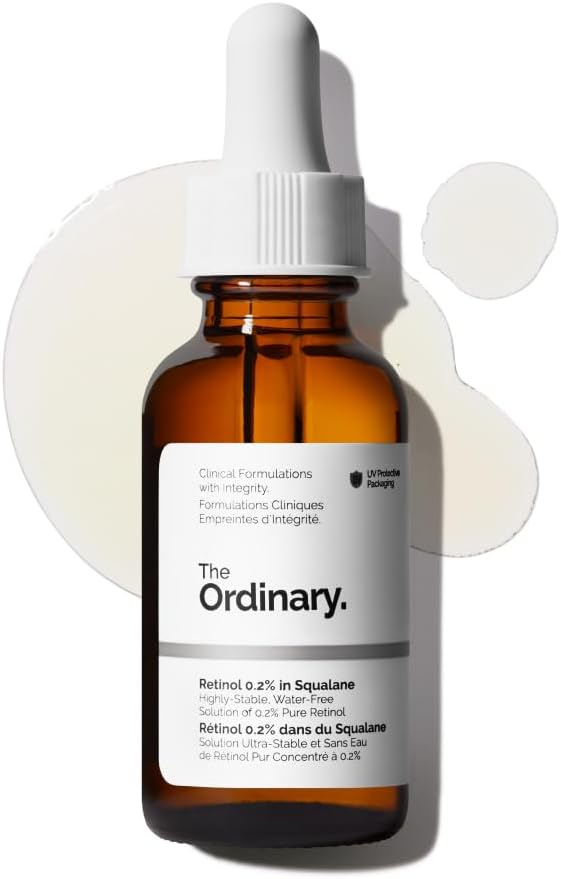
Why we like it:
- Affordable
- Beginner-friendly strength
- Helps minimise dryness
- Easy to incorporate into a routine
2. CeraVe Resurfacing Retinol Serum
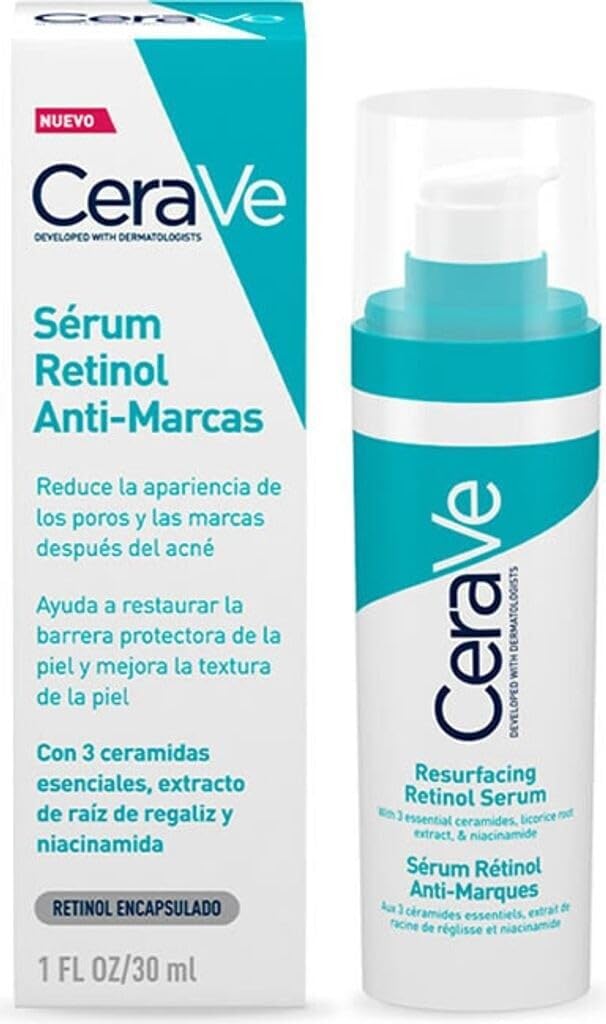
A popular choice that combines retinol with ceramides to help support the skin barrier.
Why we like it:
- Gentle formula
- Contains barrier-supporting ingredients
- Suitable for beginners
- Helps improve skin texture
3. La Roche-Posay Retinol B3 Serum
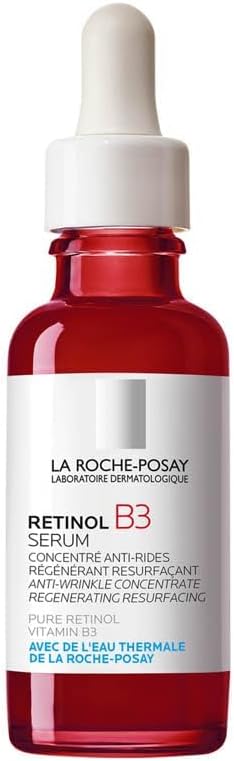
Designed to deliver the benefits of retinol while reducing irritation through the inclusion of soothing ingredients.
Why we like it:
- Suitable for sensitive skin
- Lightweight texture
- Helps improve skin tone and texture
4. The Inkey List Retinol Serum
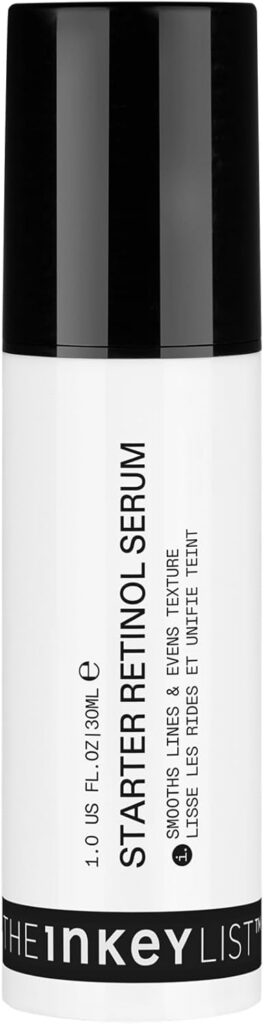
An accessible option for those introducing retinol into their routine for the first time.
Why we like it:
- Budget-friendly
- Gentle formula
- Beginner-focused concentration
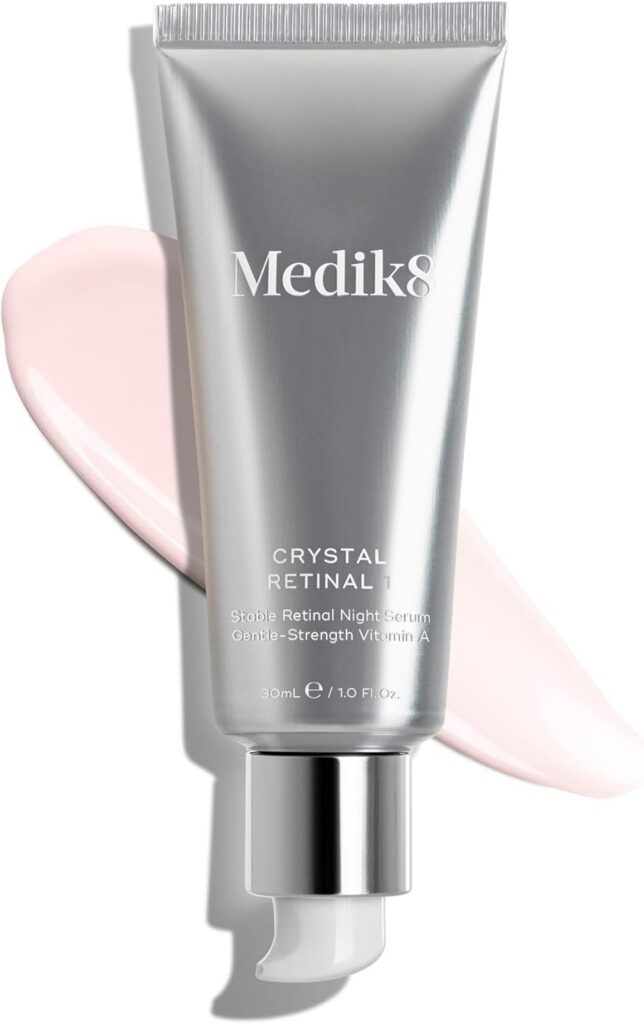
A premium option that is specifically designed for people starting their retinoid journey.
Why we like it:
- Gentle introduction to vitamin A
- Suitable for sensitive skin
- Supports visible skin renewal
Best Retinol Night Creams
Some people prefer a moisturising cream rather than a serum.
We would recommend:
Olay Retinol24 Night Moisturiser
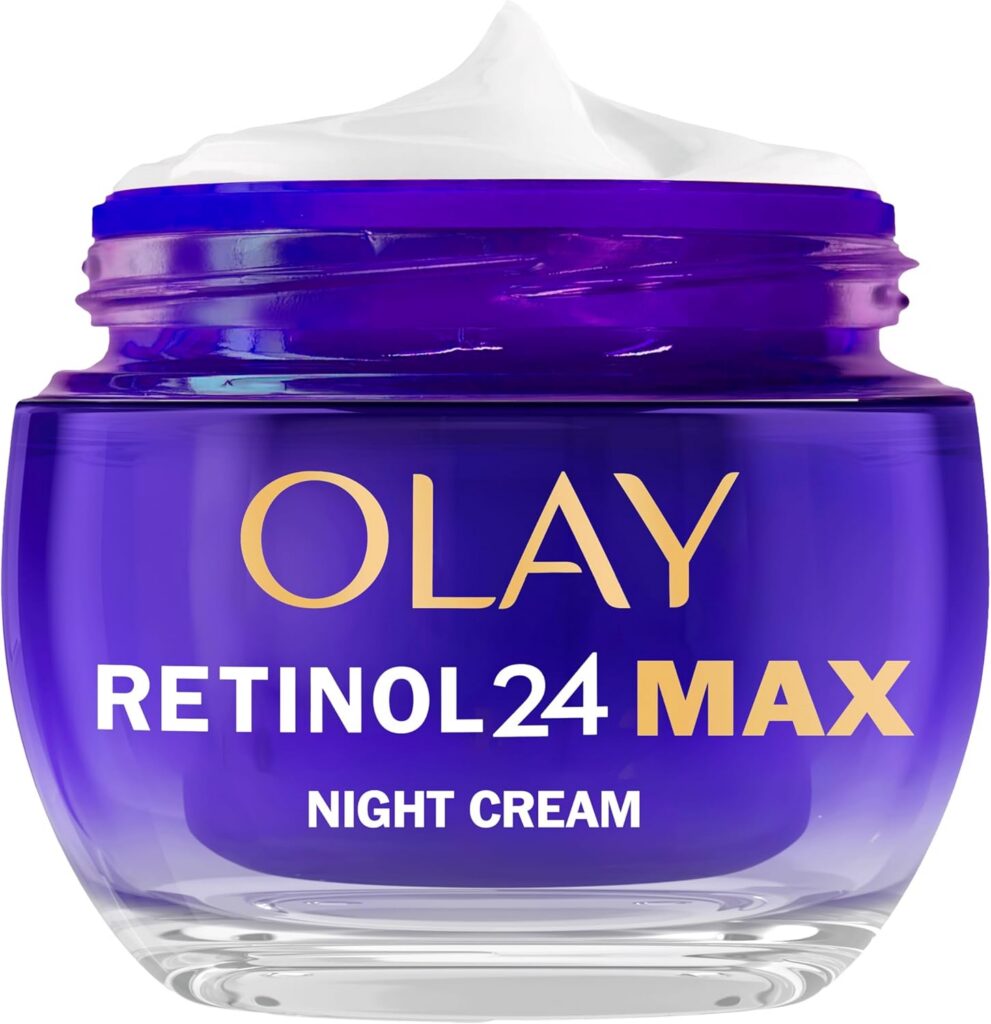
A good retinol night cream can help simplify your routine while providing hydration alongside active ingredients.
Can You Use a Face Wash With Retinol?
You may have seen products marketed as the best face wash with retinol.
While these products exist, retinol is generally most effective when left on the skin rather than rinsed away. For this reason, many dermatologists recommend using a retinol serum or cream instead of relying on a cleanser alone.
A gentle cleanser followed by a retinol treatment is usually the better option. For advice an recommendations on best cleanser to use, read our following blogs Sensitive Skin, Combination Skin.
Common Retinol Mistakes to Avoid
Using Too Much Product
When it comes to retinol, more isn’t always better. Many beginners assume that applying a larger amount will deliver faster results, but this can actually increase the risk of irritation, redness, and peeling. A pea-sized amount is usually enough for your entire face. Starting with a small amount allows your skin to gradually adapt to the ingredient.
Using It Every Night Too Soon
One of the most common mistakes beginners make is applying retinol every evening from day one. While retinol can be incredibly effective, your skin needs time to adjust. Start by using it once or twice a week and gradually increase usage as your skin becomes more tolerant. This can help minimise dryness and irritation while still allowing you to enjoy the benefits of retinol.
Skipping Moisturiser
Retinol can be drying, particularly during the first few weeks of use. Using a good moisturiser alongside your retinol product can help support the skin barrier and reduce discomfort. Many people find that applying moisturiser after retinol helps keep their skin hydrated and balanced.
Forgetting Sunscreen
Retinol can make your skin more sensitive to the sun, which is why daily sunscreen is essential. Even on cloudy days, UV exposure can contribute to skin damage and reduce the benefits of your skincare routine. For best results, apply a broad-spectrum SPF 30 or higher every morning.
Mixing Retinol With Too Many Active Ingredients
Beginners should avoid combining retinol with multiple strong active ingredients at the same time. Ingredients such as high-strength exfoliating acids can increase the likelihood of irritation when used alongside retinol. It’s usually best to keep your routine simple until your skin has adjusted.
Expecting Immediate Results
Retinol is not an overnight solution. While it is one of the most effective skincare ingredients available, visible improvements often take several weeks or even months of consistent use. Patience is key. Sticking to your routine and using retinol correctly will usually deliver better long-term results than trying to speed up the process.
Not Patch Testing New Products
Before applying a new retinol serum or cream to your entire face, it’s always a good idea to patch test it first. Apply a small amount to a discreet area of skin and wait 24 hours to check for any adverse reactions. This can help prevent unnecessary irritation, especially if you have sensitive skin.
Simple Beginner Retinol Routine
Evening Routine:
- Gentle cleaner
- Retinol serum
- Moisturiser
Morning Routine:
- Cleanser
- Moisturiser
- Sunscreen, SPF higher than 30.
Final Thoughts
Retinol remains one of the most effective skincare ingredients for improving skin texture, reducing the appearance of wrinkles, and supporting a more radiant complexion.
If you’re new to vitamin A skincare, start with a beginner retinol product, introduce it slowly, and stay consistent. Whether you choose a retinol serum or a retinol night cream, patience is key, as results often become more noticeable after several weeks of regular use.
With the right approach, retinol can become one of the most valuable products in your skincare routine, especially now you know the best retinol serums for beginners.
FAQ’s
What is the best retinol serum for beginners?
Products such as The Ordinary Retinol 0.2% in Squalane, CeraVe Resurfacing Retinol Serum, and The Inkey List Retinol Serum are popular beginner-friendly options.
How often should beginners use retinol?
Most beginners should start with 1–2 applications per week and gradually increase usage as their skin adjusts.
Can retinol help with wrinkles?
Yes. One of the main benefits of retinol is its ability to improve the appearance of fine lines and wrinkles over time.
Should I use retinol every night?
Not initially. Starting slowly helps minimise irritation and allows your skin to adapt.
Can I use retinol if I have sensitive skin?
Yes, but it’s important to choose a gentle formula and introduce it gradually. Moisturising and daily SPF are especially important. For more information click to view our other blogs on sensitive skin and SPF
