
Eczema can be a debilitating, frustrating and uncomfortable condition to deal with. You spend all your money searching for the perfect remedy for calming the itchy, dry and sore feeling, only for it to not work.
With so many creams, cleansers and treatments out there, knowing which products are actually suitable for eczema can feel overwhelming. The truth is, the best eczema skincare doesn’t need to be as complicated as you think. By choosing gentle, fragrance-free products that support your skin’s natural barrier, you can help reduce irritation, improve hydration and minimise flare-ups.
In this guide, we’ll explain what to look for in eczema skincare products, how to build a simple daily routine and which dermatologist-recommended products can help soothe eczema-prone skin.
What is Eczema?
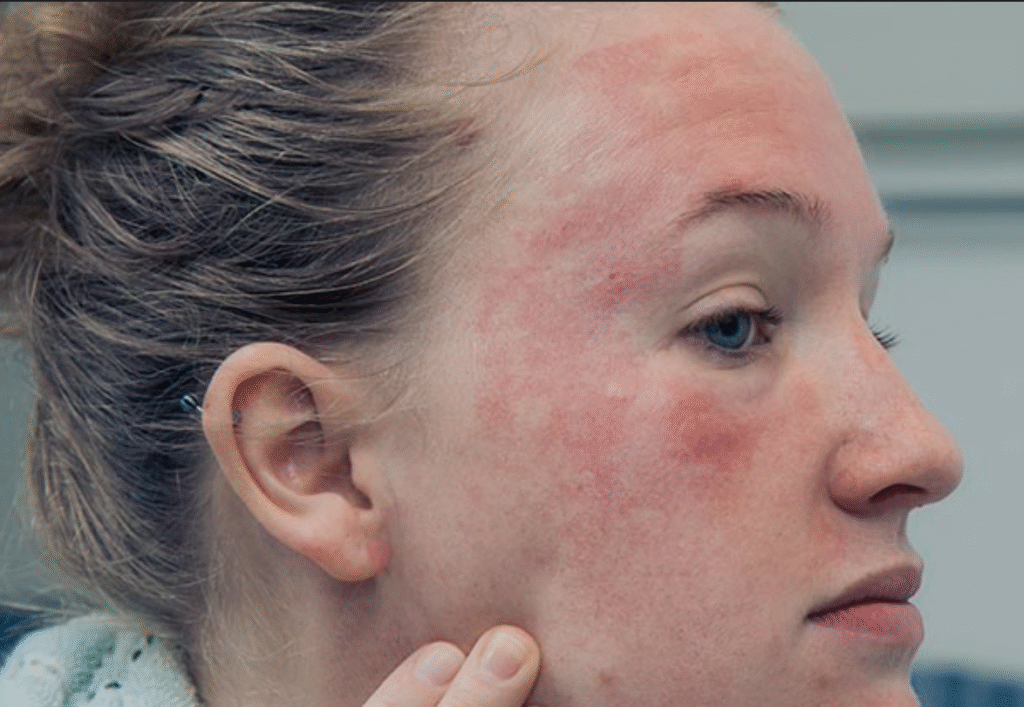
To learn how to treat eczema, we must know what eczema is. Eczema is a common inflammatory skin condition that causes the skin to become dry, itchy and inflamed. Symptoms can vary from person to person but often include:
- Dry, flaky or rough skin
- Persistent itching
- Redness or inflammation
- Cracked or sore skin
- Weeping or crusting during more server flare-ups
Unfortunately, there is no miracle cure for eczema. However, there are many products and ingredients that help soothe and calm the itchy, dry and flaky inflammations.
Quick Answer: What is the Best Skincare for Eczema?
If you’re looking for a quick answer, the best skincare for eczema should:
- Be fragrance-free and suitable for sensitive skin
- Contain barrier-supporting ingredients such as ceramides or colloidal oatmeal
- Lock in moisture with regular use of an emollient
- Avoid harsh exfoliants and alcohol-based products
- Be applied consistently, even when your eczema isn’t flaring up.
A simple routine using the right eczema skincare products is often far more effective than an extensive skincare routine filled with active ingredients.
What Ingredients Should You Look for in Eczema Skincare Products?
When choosing skincare for eczema, it’s worth paying attention to the ingredient list rather than marketing claims. Some ingredients are particularly effective at restoring the skin barrier and keeping moisture locked in.
Look for products containing:
- Ceramides – naturally occurring lipids that help repair the skin barrier
- Colloidal oatmeal – known for its smoothing and anti-inflammatory products
- Glycerin – attracts water into the skin to improve hydration
- Hyaluronic acid – helps retain moisture without feeling heavy
- Shea butter – provides long-lasting nourishment for dry skin
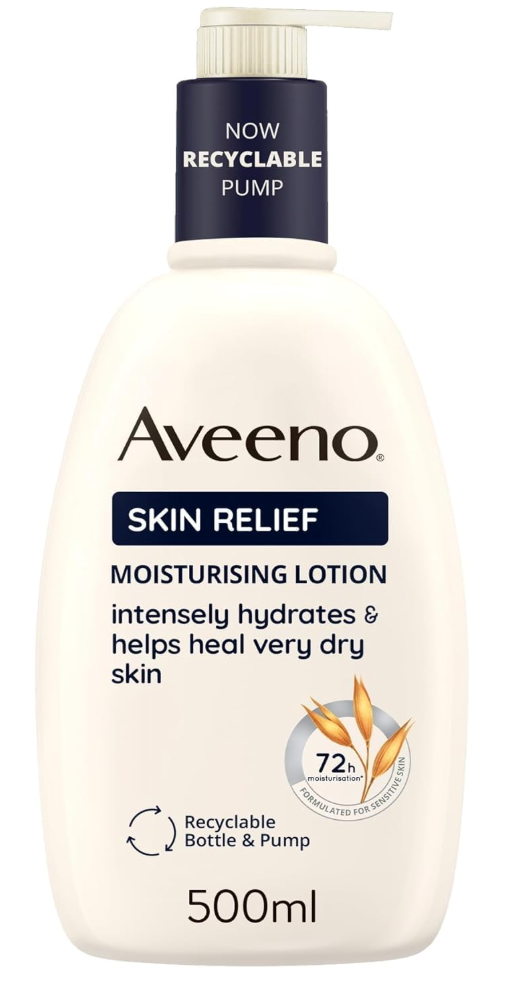
One product that combines several skin-supporting ingredients is Aveeno Skin Relief Moisturising Lotion. Formulated with soothing oat extracts, it’s designed specifically for very dry and eczema-prone skin, making it an excellent everyday moisturiser for many people (including myself).
Just as important is knowing what to avoid.
- Fragrances
- Essential oils
- Alcohol-heavy formulas
- Harsh exfoliating acids
These can all irritate sensitive skin, especially during an active flare-up. Even products labelled as ‘natural’ aren’t always suitable, so choosing fragrance-free formulas is usually the safest option.
Dermatologist-Recommended Eczema Skincare Products
While everyone’s skin is different, these dermatologist-recommended products are widely known for helping to manage dry, eczema-prone skin.
Aveeno Skin Relief Moisturising Lotion
Best for: daily moisturising
Formulated with soothing oat and shea butter, this moisturiser provides long-lasting hydration for dry, sensitive and eczema-prone skin. Its fragrance-free formula helps relieve itching and supports the skin’s natural barrier, making it ideal for everyday use.
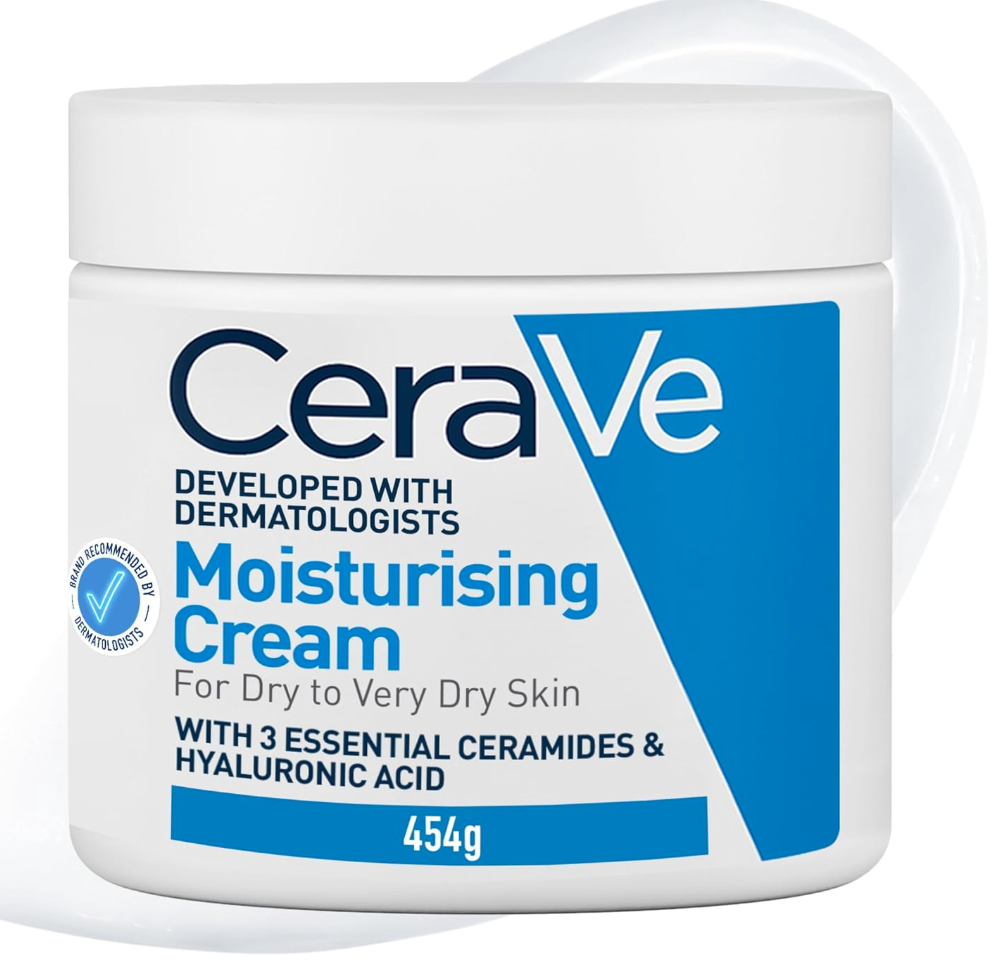
CeraVe Moisturising Cream
Best for: strengthening the skin barrier
Developed with dermatologists, this moisturising cream contains three essential ceramides and hyaluronic acid to help restore and protect the skin barrier. Its rich, non-greasy formula allows for long-lasting hydration, making it a popular choice for eczema-prone skin.
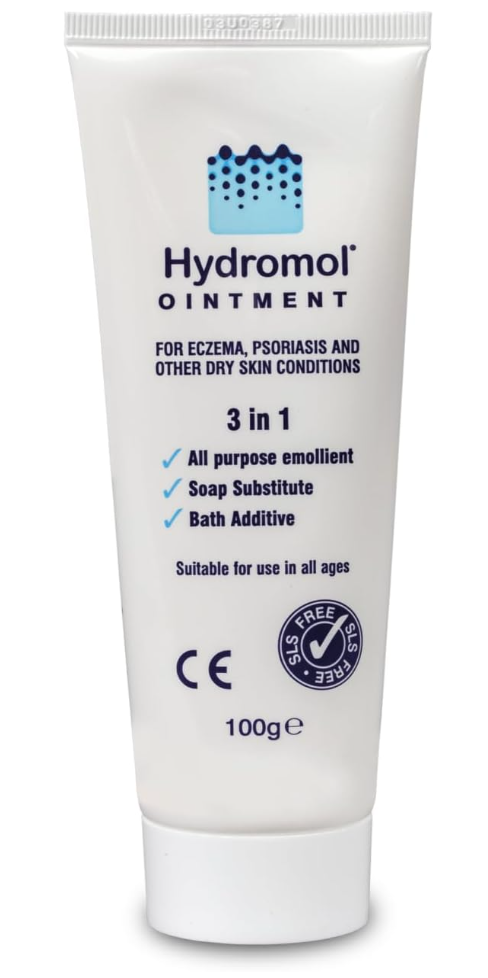
Hydromol Ointment
Best for: Overnight hydration and flare-ups
This thick ointment is a rich emollient that forms a protective barrier over the skin, helping to reduce moisture loss and soothe severe dryness. It’s particularly useful during eczema flare-ups or as an overnight treatment for cracked, irritated skin.
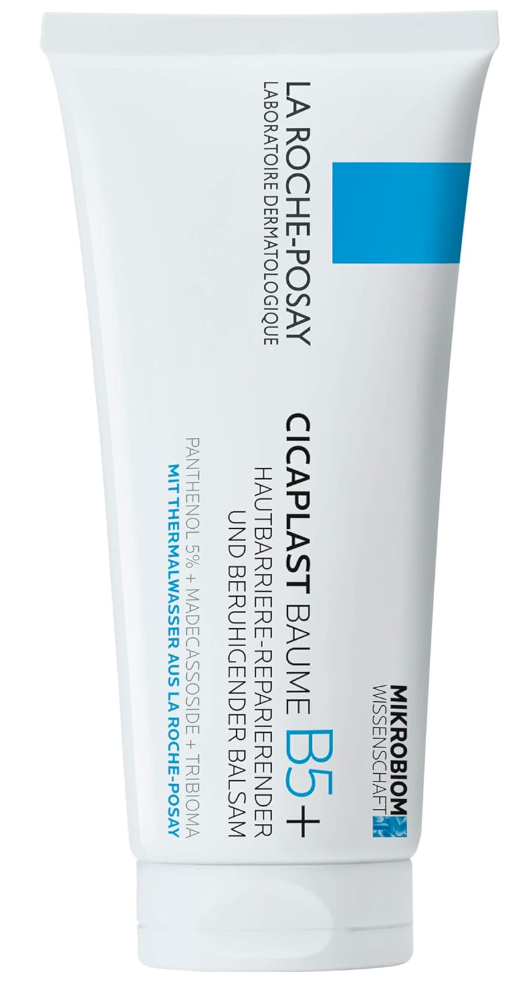
La Roche-Posay Cicaplase Baume B5+
Best for: Irritated facial eczema
This is a multi-purpose balm designed to calm irritated, sensitive skin. With Vitamin B5 and madecassoside, it helps support the skin’s natural repair process and is especially suited to dry, eczema-prone areas on the face.
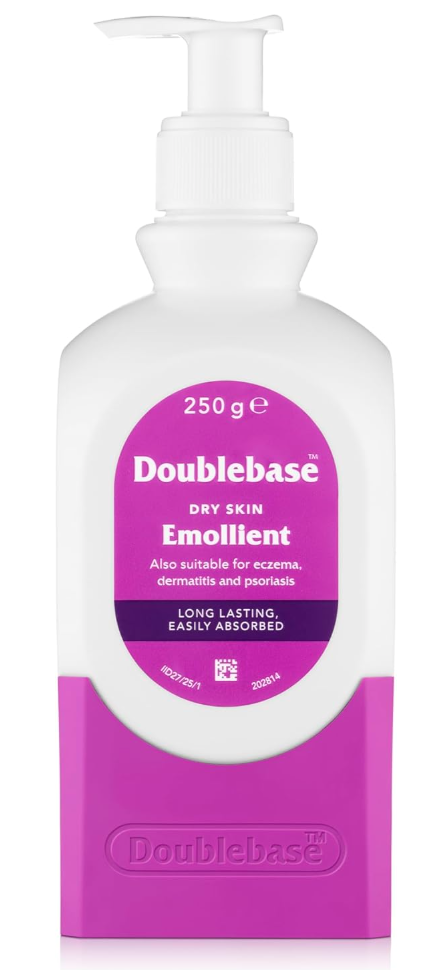
Doublebase Gel
Best for: Fast-absorbing everyday moisturiser and face wash
This is a lightweight emollient that hydrates and softens dry skin without leaving a greasy residue. Suitable for both the face and body, and acting as both a face wash and moistuiser, it’s ideal for those who prefer a fast-absorbing moisturiser that’s easy to apply throughout the day.
Remember that finding the best skincare products for eczema often involves a little trial and error. What works well for one person may not be suitable for another, particularly if your eczema has specific triggers.
The good news? All of these recommended products are some of the most budget-friendly, yet highly acclaimed products for eczema. So, it won’t cost you an arm and a leg to try and calm your eczema.
A Simple Daily Routine for Eczema
Keeping your routine simple is often the best approach. Those complex 15-step skincare routines you see on social media may work for some skin types, but if you have eczema, they can often do more harm than good.
Using too many products or using active ingredients unnecessarily can overwhelm an already compromised skin barrier. Instead, focus on a gentle, consistent routine that cleanses, hydrates and protects your skin every day.
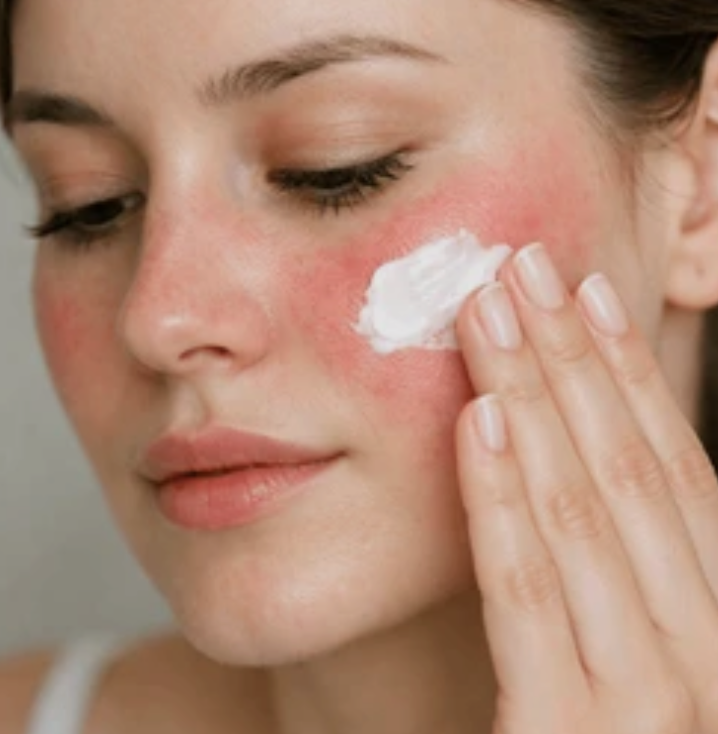
Morning Routine
Step 1: Cleanse Gently
Wash your face using lukewarm water and a gentle, soap-free cleanser (Doublebase Gel can be used here). Avoid scrubbing your skin or using cleansing brushes, as friction can make eczema worse.
Pat your skin dry with a soft towel rather than rubbing.
Step 2: Moisturise Immediately
Within three minutes of washing, applying a generous layer of moisturiser to lock in hydration. This ‘soak and seal’ method helps reduce moisture loss throughout the day.
A ceramide-rich moisturiser such as the CeraVe Moisturising Cream or Aveeno Skin Relief Lotion are excellent choices because they providing long-lasting hydration and help calm irritated skin.
Step 3: Protect Your Skin
If you’ll be spending time outdoors, apply a broad-spectrum SPF that is suitable for sensitive skin. Find Out Here what SPF suits your skin type.
Evening Routine
Your evening routine should focus on restoring hydration after a long day.
Cleanse gently and apply another generous layer of moisturiser, exactly like your morning routine.
Dermatologist Tip: Applying a thick layer of emollient overnight can make a noticeable difference for dry and cracked skin. Hydromol Ointment on top of your moisturiser can create a protective barrier over the skin, known as ‘slugging’, helping lock in moisture while you sleep.
Cream Vs Ointment: Which is Better for Eczema?
One of the most common questions dermatologists hear is whether creams or ointments are better for eczema. The answer depends on how dry your skin is and whether you’re experiencing a flare-up.
Creams
- Contain more water
- Light and fast-absorbing
- Ideal for daytime and everyday moisturising
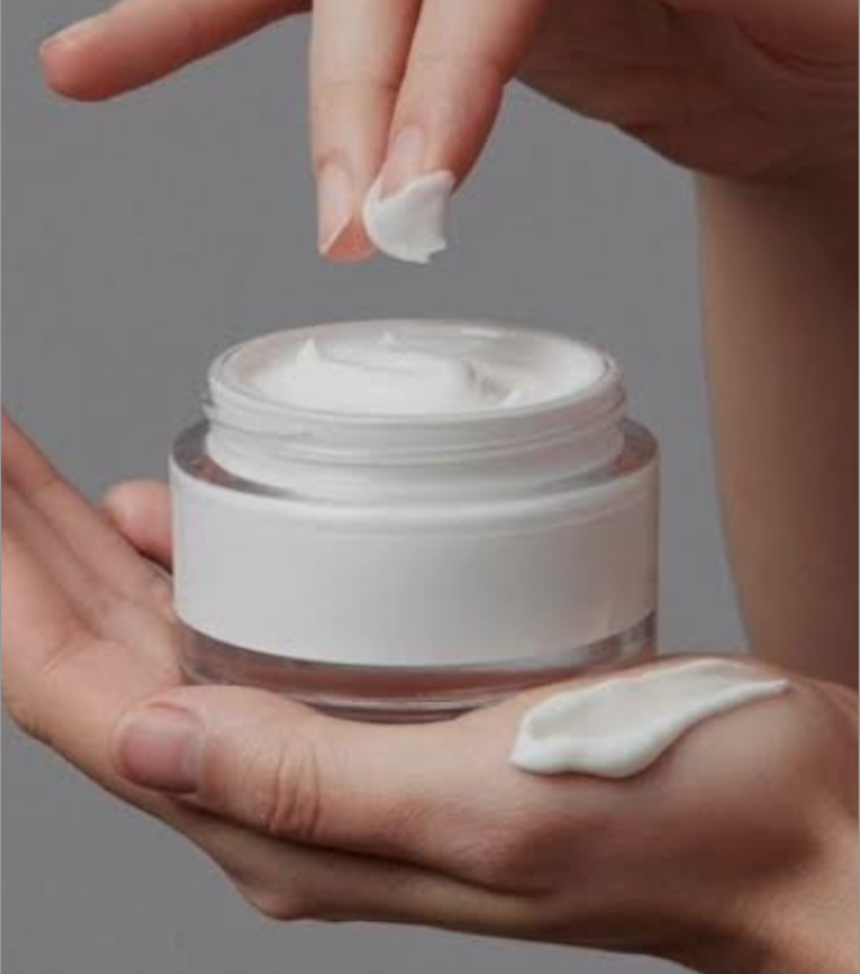
Ointments
- Contain more oil than water
- Creates protective barrier over skin to reduce moisture loss
- Often thicker and greasier
- Beneficial for very dry, cracked or inflamed skin

Many people find the best results come from using a cream throughout the day and switching to an ointment overnight to maximise hydration. Again, there’s no one-size-fits-all approach to eczema skincare products, so don’t be afraid to adjust your routine depending on your skin’s needs.
When Should You See a Dermatologist?
Although a good skincare routine can significantly improve eczema symptoms, it’s important to recognise when professional advice is needed. You should consider seeing a dermatologist if:
- Your eczema keeps returning despite regular moisturising
- Your skin becomes cracked, weeping or painful
- You think your eczema may be infected
- Itching is affecting your sleep or daily life
- Over-the-counter products aren’t providing enough relief.
A dermatologist can help identify potential triggers, recommend prescription treatments if needed and create a personalised skincare plan that supports your long-term skin health.
Frequently Asked Questions (FAQs)
Can you wear makeup if you have eczema?
Yes, you can but it’s important to choose makeup products designed for sensitive skin and avoid those containing fragrance or harsh ingredients that could trigger irritation. Before applying makeup, moisturise your skin well to help protect the skin barrier and create a smoother base. If you’re experiencing an active flare-up, it’s often best to keep your routine as simple as possible until your skin has settled.
Can stress make eczema worse?
Yes. Stress can trigger or worsen flare-ups in many people. Emotional stress may increase inflammation in the body, making symptoms such as itching and redness worse. Managing stress can be a helpful part of managing eczema alongside a consistent skincare routine.
Can you exfoliate if you have eczema?
It’s generally best to avoid physical scrubs and harsh exfoliating products, particularly during a flare-up. Over-exfoliating can further damage the skin barrier and increase irritation.
Is eczema contagious?
No. Eczema is not contagious and cannot be passed from one person to another through physical contact. It’s a chronic inflammatory skin condition influenced by a combination of genetics, the immune system and environmental triggers.