
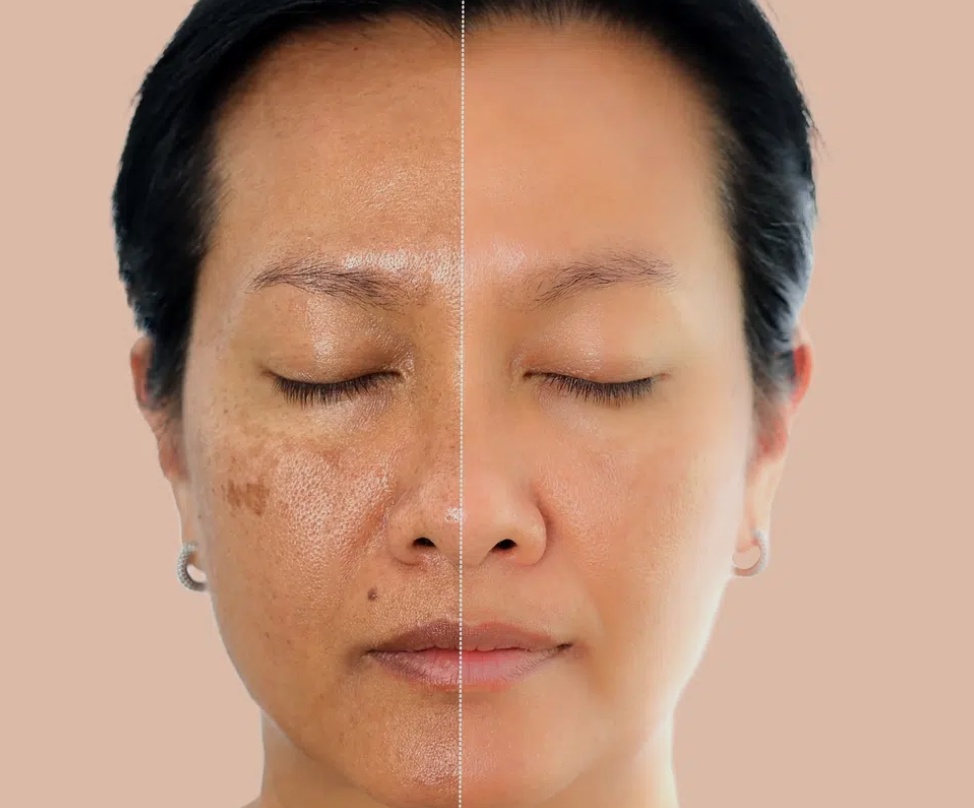
Have you noticed dark spots that seem to stick around longer after a breakout has healed? Or perhaps you’ve spotted patches of uneven skin tone that appear more noticeable after spending time in the sun. If so, you’re not alone.
Hyperpigmentation is one of the most common skin concerns dermatologists see, affecting people of all ages and skin types. The good news is that while hyperpigmentation can be stubborn, the right hyperpigmentation treatment plan can significantly improve the appearance of dark spots and uneven skin tone over time.
The key is understanding what causes hyperpigmentation in the first place and choosing skincare for hyperpigmentation that is backed by science rather than social media trends.
In this guide, we’ll explain:
- What hyperpigmentation is
- What causes it
- How to get rid of hyperpigmentation
- The best dermatologist-recommended ingredients
- The most effective hyperpigmentation skincare routine
- Common mistakes that can make dark spots worse.
What is Hyperpigmentation?
Hyperpigmentation occurs when certain areas of the skin produce excess melanin, the pigment is responsible for skin colour.
This excess pigment creates patches or spots that appear darker than the surrounding skin.
Hyperpigmentation can affect all skin tones, although it is often more noticeable and persistent in medium to deeper skin tones due to higher melanin production.
Common forms of hyperpigmentation include:
Post-Inflammatory
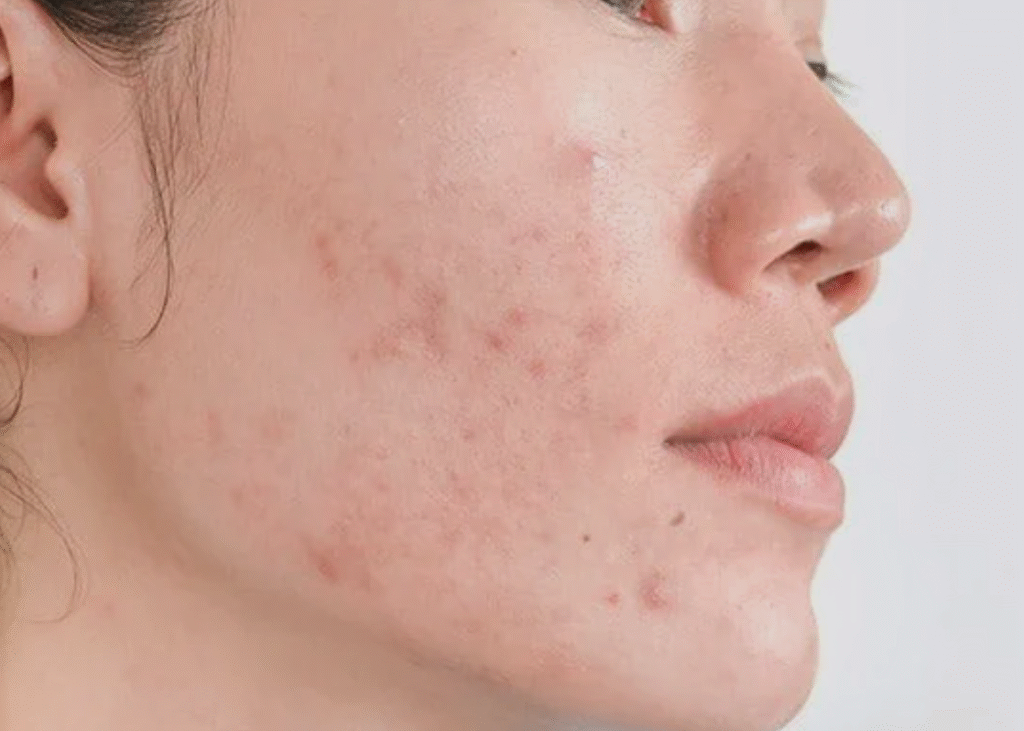
These are the dark marks left behind after:
- Acne
- Eczema
- Skin irritation
- Inflammation
Unlike acne scars, these marks are causes by pigment changes rather than changes to the skin’s texture.
Sun-Induced
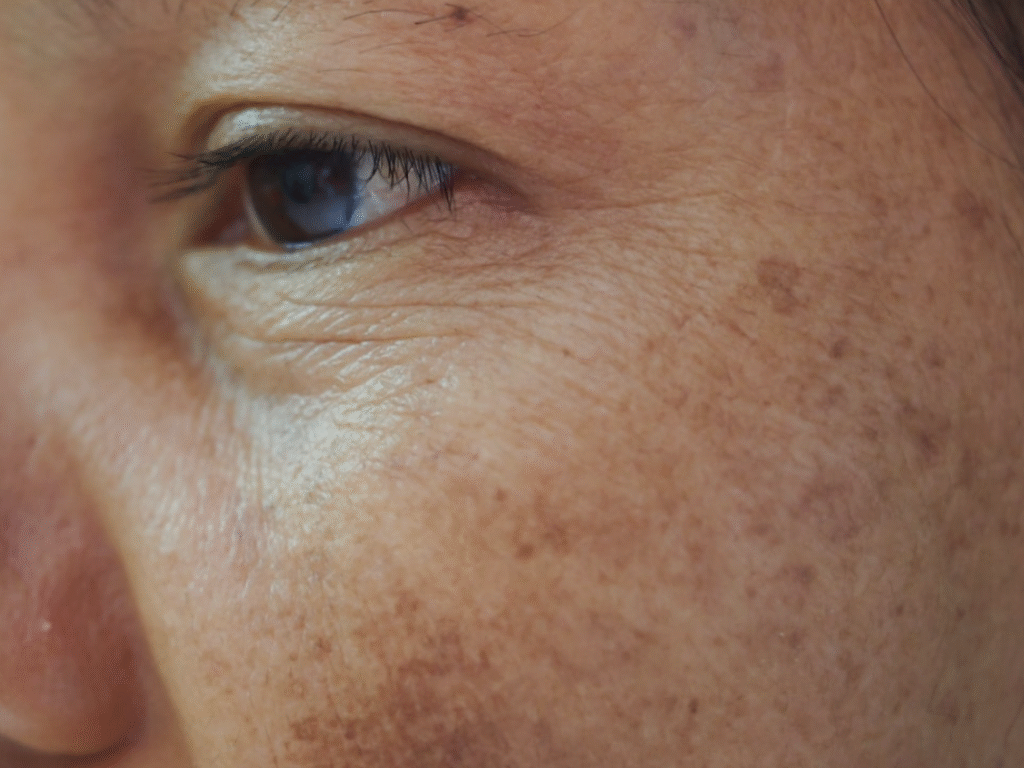
Sometimes called sun spots or age spots, these develop after years of UV exposure. They are often associated with:
- Prolonged sun exposure
- Aging skin
- Outdoor lifestyles
- Lack of sun protection
These spots often develop gradually over time.
Melasma
This typically appears as larger patches of pigmentation and is often linked to:
- Hormonal changes
- Pregnancy
- Contraceptive use
- Sun exposure
Dermatologists claim that melasma can be one of the most challenging forms to treat.
What Causes Hyperpigmentation?
One of the biggest misconceptions about hyperpigmentation is that it only happens because of sun damage.
In reality, several factors can trigger excess pigment production.
1. Sun Exposure
UV radiation stimulates melanin production, so this is why many people notice dark spots becoming more visible during summer or after a holiday.
Dermatologists consistently emphasise that UV exposure is one of the biggest contributors to worsening hyperpigmentation.
2. Acne and Breakouts
When skin becomes inflamed, melanocytes can respond by producing excess pigment.
This is why acne often leaved behind dark marks even after the blemish itself has disappeared.
3. Hormonal Changes
Hormonal fluctuations can contribute to melasma and other forms of pigmentation.
Common triggers can include pregnancy, hormonal contraception and hormonal imbalances.
4. Skin Irritation
Over-exfoliating, aggressive skincare products and picking at blemishes can all trigger inflammation that leads to pigmentation.
Ironically, some people trying to fade hyperpigmentation accidentally make it worse through irritation.
How to Get Rid of Hyperpigmentation
If you’re wondering how to get rid of hyperpigmentation, it’s important to have realistic expectations. Unfortunately, there isn’t a single overnight solution.
Most dermatologist-recommended hyperpigmentation treatment plans focus on:
- Preventing new pigmentation from forming
- Gradually fading existing pigmentation
- Protecting the skin barrier
Consistency is often more important than using dozens of products.
In many cases, a simple routine followed consistently delivers better results than an overly complicated one.
The Best Ingredients for Hyperpigmentation Treatment
When it comes to hyperpigmentation skincare, certain ingredients have significantly more evidence behind them than others.
Here are some of the most effective ingredients dermatologists frequently recoomend.
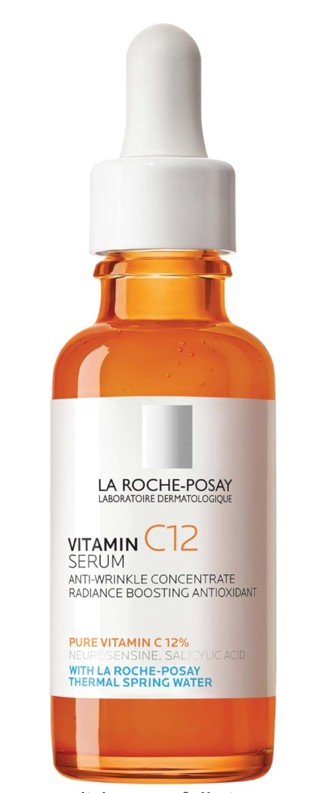
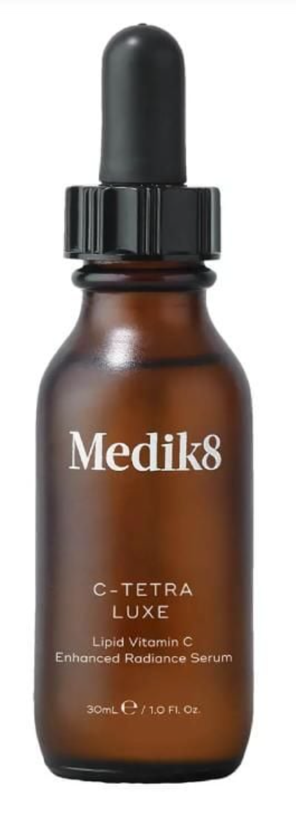
1. Vitamin C
Vitamin C is one of the most researched ingredients for brightening uneven skin tone.
Benefits include:
- Antioxidant protection
- Improved skin radiance
- Support against environmental damage
- Gradual fading of dark spots
Vitamin C works particularly well in morning routines when paired with sunscreen.
La Roche-Posay Pure Vitamin C12 Serum
Medik8 C-Tetra Luxe
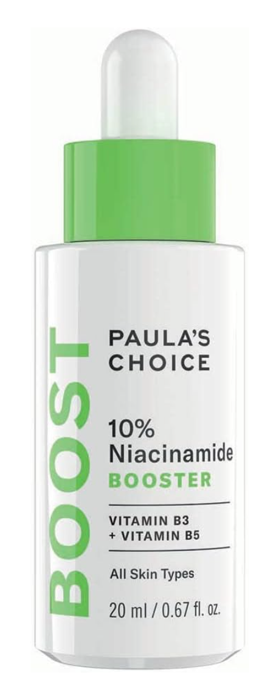
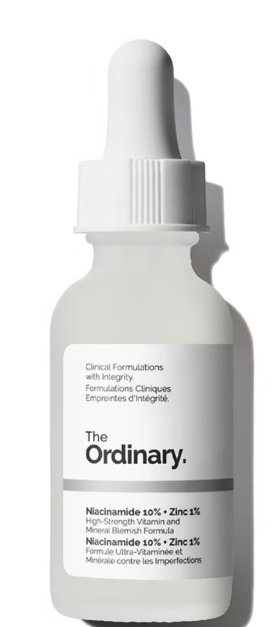
2. Niacinamide
Niacinamide has become one of the most popular hyperpigmentation skincare ingredients for good reason.
Research suggests it can help reduce the transfer of pigment within the skin while also supporting the skin barrier.
Additional benefits include:
- Reducing redness
- Balancing oil production
- Improving skin texture
Making it an excellent choice for acne-prone skin.
Paula’s Choice 10% Niacinamide Booster
The Ordinary Niacinamide 10% + Zinc 1%
3. Retinol
Retinol encourages skin cell turnover, helping pigmented skin cells shed more quickly and gradually improve post-acne marks, uneven skin tone and signs of ageing.
Because retinol can increase sun sensitivity, dermatologists recommend pairing it with daily SPF.
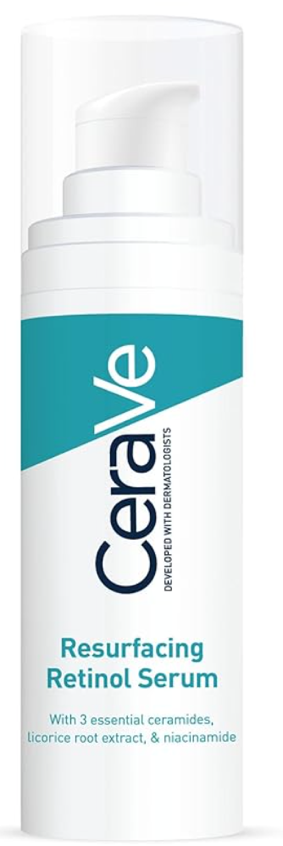
CeraVe Resurfacing Retinol Serum
4. Azelaic Acid
Azelaic acid if often recommended by dermatologists for both acne and pigmentation concerns.
It can help brighten uneven skin tone, calm inflammation and reduce post-inflammatory pigmentation.
Making it particularly useful for those experiencing both acne and hyperpigmentation simultaneously.
The INKEY List Azeliac Acid 10% Serum

5. Tranexamic Acid
Tranexamic acid has become increasingly popular in dermatologist-led hyperpigmentation treatment routines.
Research suggests it may help improve melasma, stubborn pigmentation and uneven skin tone. Especially when combines with other brightening ingredients.
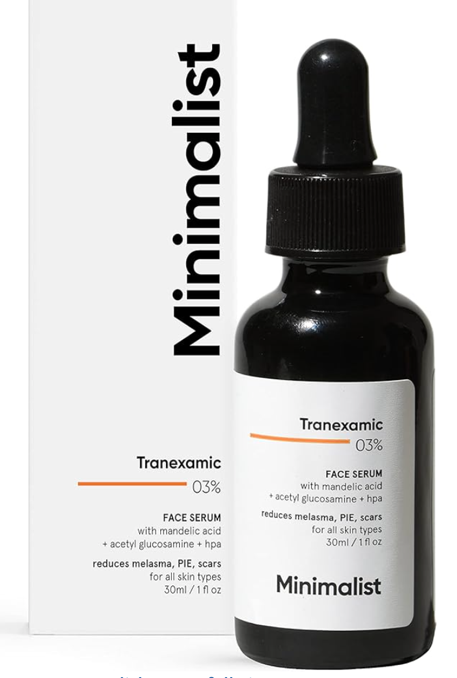
Minimalist 3% Tranexamic Acid Face Serum
The Most Important Hyperpigmentation Product: Sunscreen
If there’s one product that dermatologists consistently agree on, it’s this:
No hyperpigmentation treatment routine will be successful without daily sunscreen.
Even the most effective brightening ingredients can struggle to deliver results if UV exposure continues to trigger pigment production.
Look for:
- broad-spectrum protection
- SPF30 minimum
- SPF50 where possible
Many people spend significant amounts on hyperpigmentation products while overlooking the one product that can make the biggest difference.
Find out HERE what sunscreen is best for your skin type.
A Simple Hyperpigmentation Skincare Routine
If you’re building a skincare for hyperpigmentation routine, simplicity is often best.
Morning Routine
- Gentle cleanser
- Vitamin C serum
- Moisturiser
- Broad-spectrum SPF
Evening Routine
- Gentle cleanser
- Hyperpigmentation treatment serum
- Moisturiser
Depending on your skin type, this treatment serum may contain:
- retinol
- azelaic acid
- tranexamic acid
- niacinamide
The goal is consistency rather than complexity.
Common Hyperpigmentation Mistakes
Many people unknowingly slow their progress by making a few common mistakes.
1. Expecting Results Too Quickly
Hyperpigmentation rarely fades overnight.
Visible improvements often take:
- 6–12 weeks
- several months for deeper pigmentation
2. Skipping Sunscreen
This is arguably the biggest mistake of all.
UV exposure can undo progress surprisingly quickly.
3. Using Too Many Active Ingredients
Layering multiple strong acids, retinoids and exfoliants often leads to irritation.
And irritation can trigger more pigmentation.
4. Picking At Spots
Every time you pick at a blemish, you increase the risk of post-inflammatory hyperpigmentation.
How Long Does Hyperpigmentation Take To Fade?
This depends on:
- the cause
- skin tone
- severity
- treatment consistency
Mild post-acne marks may improve within a few months. More stubborn pigmentation, such as melasma, often takes significantly longer.
The most important thing is consistency.
Many effective hyperpigmentation treatment ingredients work gradually, with results becoming more noticeable over time.
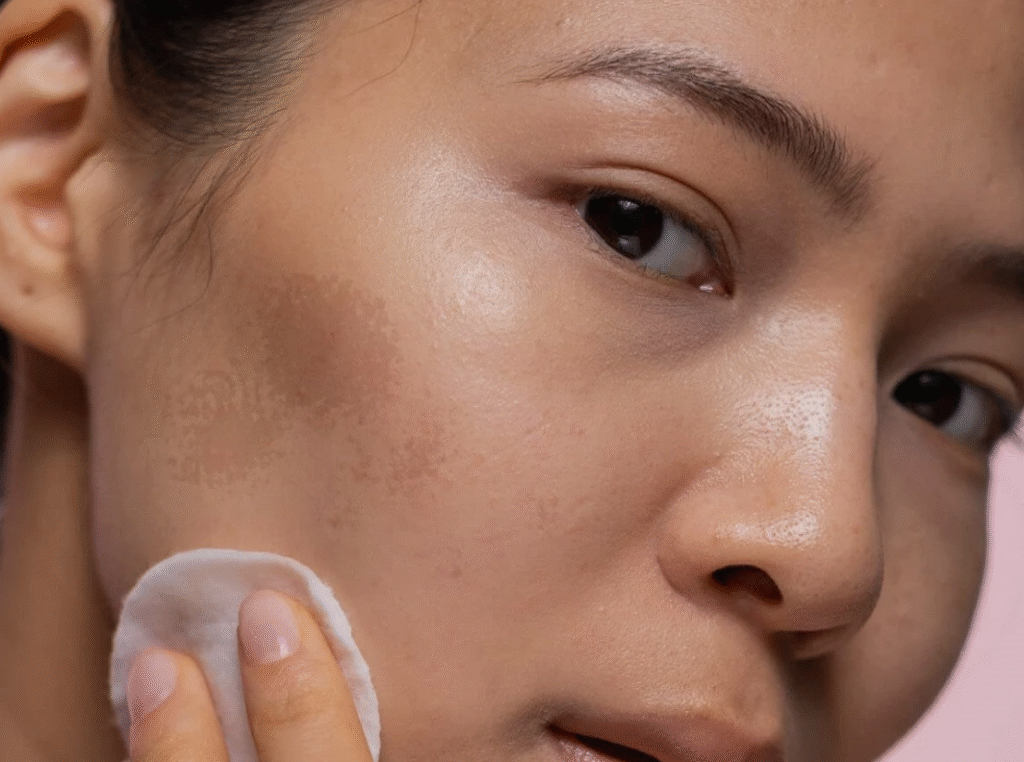
Learning how to get rid of hyperpigmentation isn’t about finding a miracle product. It’s about combining the right ingredients with patience, consistency and daily sun protection.
A good hyperpigmentation skincare routine focuses on protecting the skin, reducing inflammation and gradually fading excess pigment without causing further irritation. With the right approach, many forms of hyperpigmentation can improve significantly over time, helping you achieve a more even, radiant complexion.
