
If you’ve finally managed to get your acne under control, only to be left with stubborn acne marks or an acne scar, you’re definitely not alone. For many teenagers (and adults), the breakouts disappear long before the reminders do.
Acne scarring is incredibly common, and it doesn’t mean you’ve done anything wrong. The good news? While some acne marks fade naturally over time, there are plenty of evidence-backed treatments that can help improve the appearance of acne scarring. Knowing the difference between a mark and a scar is the first step towards choosing the right treatment.
If you’re still experiencing active breakouts, make sure you also read our guide on Best Skincare Routine for Acne-Prone Skin: Everything You Need to Know, which focuses on preventing new spots before tackling the marks they leave behind.

Acne Marks vs Acne Scars: What’s the Difference?
Although many people use the terms interchangeably, acne marks and acne scars aren’t actually the same thing.
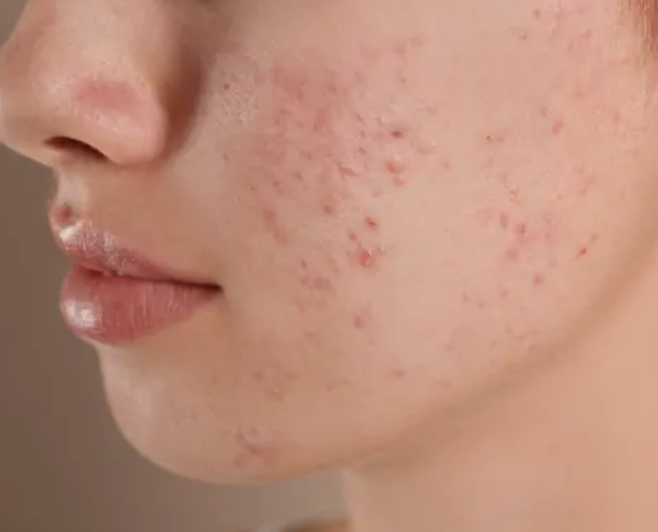
Acne Marks
- Flat areas of discolouration left behind after a spot has healed
- May appear pink, red, brown or purple depending on your skin tone
- Caused by inflammation and usually fade gradually over weeks or months
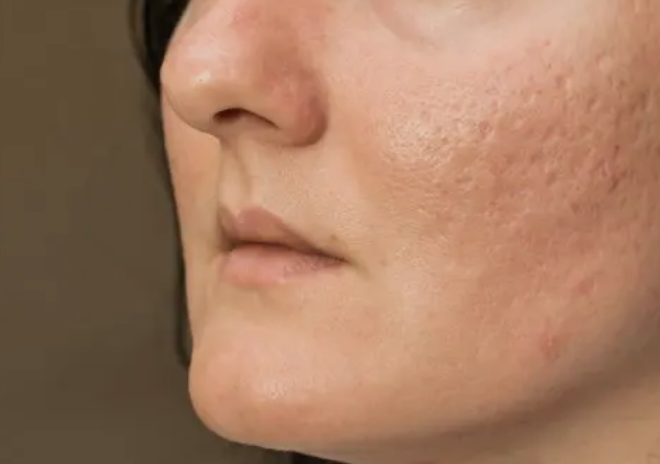
Acne Scars
- Permanent change in the skin’s texture
- Can appear as small indentations (atrophic scars) or, less commonly, raised scars
- Develop when inflammation damaged the deeper layers of the skin
Acne marks are flat areas of discolouration left behind after a spot has healed. They may appear pink, red, brown or purple depending on your skin tone. These marks are caused by inflammation and usually fade gradually over weeks or months.
An acne scar, on the other hand, involves a permanent change in the skin’s texture. Scars develop when inflammation damages the deeper layers of the skin, affecting the collagen that gives skin its structure. This can lead to small indentations (atrophic scars) or, less commonly, raised scars.
Understanding whether you’re dealing with acne marks or true acne scarring is important because the treatments are often different.
Why Does Acne Scarring Happen?
Not everyone who gets acne develops scars, but certain factors can increase your risk. One of the biggest causes is inflammation. The deeper and more inflamed an acne spot becomes, the more likely it is to damage the surrounding skin.
Picking or squeezing acne spots is another major factor. We know it’s tempting, but squeezing spots can push bacteria deeper into the skin and increase inflammation, making an acne scar much more likely. Other factors include:
- Having severe or cystic acne
- Delaying treatment for persistent acne
- Genetics (some people naturally scar more easily)
- Repeatedly picking healing spots
The earlier acne is treated properly, the lower the risk of long-term acne scarring.
Can Acne Scars Fade Naturally?
This depends on whether you’re dealing with a mark or a scar. Most acne marks will gradually become less noticeable on their own. Protecting your skin from the sun by wearing SPF every day can help prevent them from becoming darker and lasting longer.
True acne scars, however, are less likely to disappear without treatment. Because the skin’s structure has changed, they often require targeted acne scar treatment to noticeably improve their appearance.
The important thing to remember is that skin healing takes time. Be wary of products claiming to erase scars overnight, there’s no evidence-backed product that works that quickly!
The Best Acne Scar Treatments
If you’re wondering about the best acne scar treatment, the answer depends on the type of scar you have. While no single product works for everyone, several ingredients and treatments are supported by dermatologists.
Retinoids
Retinoids encourage faster skin cell turnover and stimulate collagen production over time. This makes them one of the most effective topical options for improving mild acne scarring while also helping to prevent future breakouts.
We recommend: CeraVe Resurfacing Retinol Serum
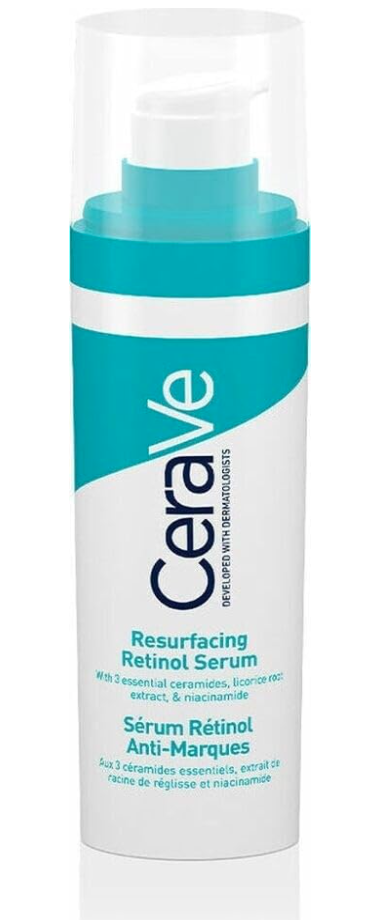
This serum is a gentle retinol that’s suitable for beginners and acne-prone skin. Apply a pea-sized amount in the evening after cleansing, starting two to three nights a week before increasing frequency as your skin adjusts. Always wear SPF the following morning.
Vitamin C
Vitamin C won’t remove an acne scar, but it can help brighten lingering acne marks and even out skin tone. It’s also an antioxidant, meaning it helps protect the skin from environmental damage. (Read more about Vitamin C treatments here)
We Recommend: The Ordinary Vitamin C Suspension
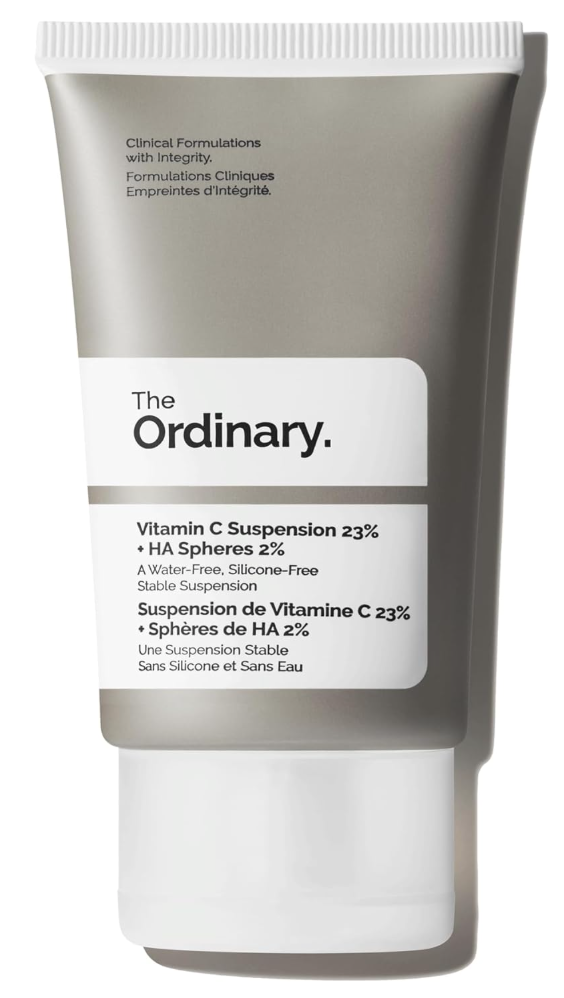
This is a great choice if you’re mainly dealing with persistent acne marks rather than textured scars. Apply a small amount once a day, preferably in the morning after cleansing and before moisturiser. If you have sensitive skin, introduce it gradually and always finish with a broad-spectrum SPF during the day.
Silicone Scar Gel
If your scar is relatively new, silicone gels can help improve its appearance by keeping the skin hydrated and supporting healthy healing. It works by creating a breathable protective layer that hydrates the skin and supports the natural healing process.
We Recommend: Kelo-Cote Silicone Scar Gel
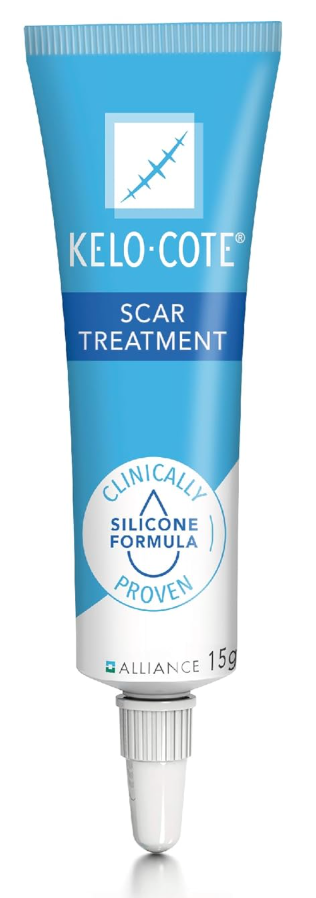
Silicone is one of the most widely recommended ingredients for helping improve the appearance of newer scars. Apply a very thin layer to clean, dry skin once or twice daily, allowing it to dry completely before applying other skincare products or makeup. For the best results, consistency is key, and it may take several weeks or months to see visible improvement.
Professional Treatments
For deeper scars, your GP or dermatologist may recommend professional acne scar treatment, including:
- Microneedling
- Chemical peels
- Laser resurfacing
- Prescription-strength retinoids
These treatments work by encouraging new collagen production, helping the skin appear smoother over time. They usually require several sessions and should always be carried out by qualified professionals.
What About an Acne Scar on the Forehead?
An acne scar on forehead is particularly common because this area tends to produce more oil than other parts of the face.
Hair products, sweat, sports helmets, hats and even your fringe can contribute to breakouts around the forehead, increasing the risk of scarring if spots are picked.
If you have an acne scar on forehead, avoid scrubbing the area or trying harsh DIY remedies you’ve seen online. Instead, stick to gentle skincare and evidence-based treatments, as aggressive exfoliation can sometimes make irritation worse.
Mistakes That Can Make Acne Scars Worse
When you’re desperate to improve your skin, it’s easy to fall for viral skincare hacks. Unfortunately, many of them can do more harm than good. Try to avoid:
- Picking or squeezing spots
- Scrubbing your skin with harsh exfoliators
- Skipping sunscreen
- Using toothpaste or lemon juice on spots
- Changing skincare products every few days
- Expecting overnight results
Healthy skin takes time to heal, and consistency is far more effective than constantly switching products.
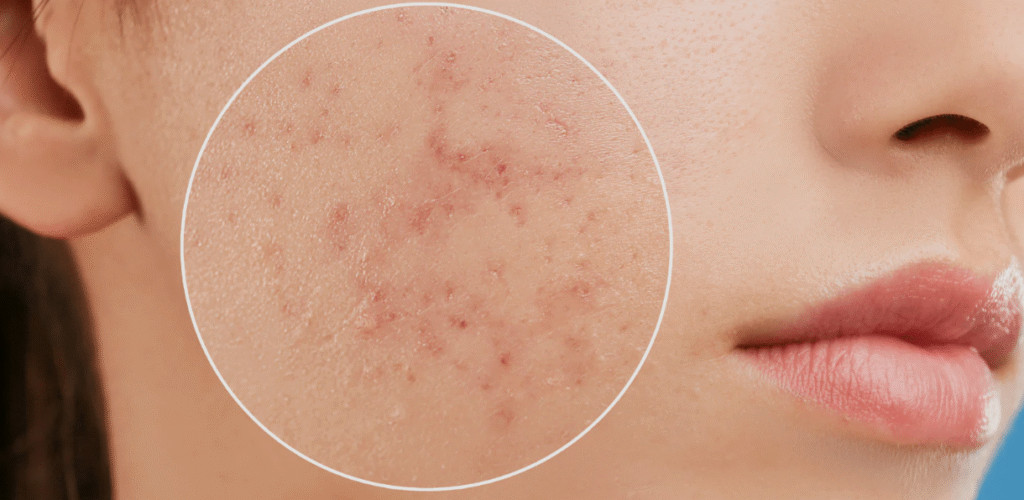
Living with acne marks or acne scarring can feel frustrating, especially when social media makes it seem like everyone else has perfect skin. The reality is that acne affects millions of people, and many people experience marks or scars afterwards.
The good news is that there are effective, dermatologist-backed options available. Whether you’re dealing with temporary acne marks or looking for the best acne scar treatment for deeper scars, patience and consistency are key.