
Finding the best sunscreen for your face can feel overwhelming. One SPF leaves your skin greasy, another pills under makeup and another causes irritation or breakouts after just a few days.
The truth is, not all sunscreens are suited for every skin type. The best sunscreen for oily skin is very different from the best sunscreen for dry, sensitive or acne-prone skin. Choosing the right SPF can help protect your skin from premature ageing, pigmentation and UV damage while fitting seamlessly into your daily skincare routine.
In this guide, we’ll explain how to choose the best sunscreen for your skin type and share dermatologist-recommended SPF products for every skin concern.
Why Dermatologists Recommend Wearing SPF Every Day
Most people only think about wearing sunscreen on holiday. But according to the British Association of Dermatologists, UVA rays are present all year round, even on cloudy days!
These rays are linked to:
- Premature ageing
- Pigmentation
- Collagen breakdown
- Fine lines
- Uneven skin tone
That’s why daily SPF is considered one of the most important steps in any skincare routine. Especially if you’re already using active ingredients like retinol, exfoliating acids or vitamin C, which can make skin more sensitive to UV damage.
If your goal is healthier-looking skin long-term, sunscreen matters far more than most expensive serums.
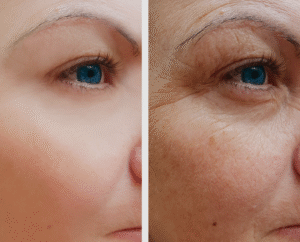
Why Your Sunscreen Might Be Breaking You Out
If you avoid SPF because if makes your skin greasy or congested, you’re definitely not alone.
A lot of traditional sunscreens are still designed with heavier textures that don’t sit well on oily or acne-prone skin.
Signs your sunscreen may not suit your skin:
- Your makeup slides off halfway through the day
- Your skin feels oily by lunchtime
- You notice more clogged pores or breakouts
- Your SPF piles under skincare
- Your face feels tight or irritated after application
The good news is modern facial sunscreens are much better than they used to be. Many newer formulas are specifically designed for:
- Acne-prone skin
- Sensitive skin
- Rosacea
- Oily skin
- Dehydration
Which means wearing SPF daily no longer has to feel uncomfortable or inconvenient.
How To Choose The Best Sunscreen For Your Skin Type
Best Sunscreen For Oily Skin
If your skin gets shiny quickly, thick cream sunscreens can feel unbearable. For oily skin, lighter textures usually work best. Look for:
- Oil-free formulas
- Gel textures
- Lightweight fluids
- Mattifying SPF
- Breathable products
If your sunscreen feels heavy within minutes of applying it, that’s usually a sign the texture is too rich for your skin type.
Dermatologist recommended SPF for oily skin:
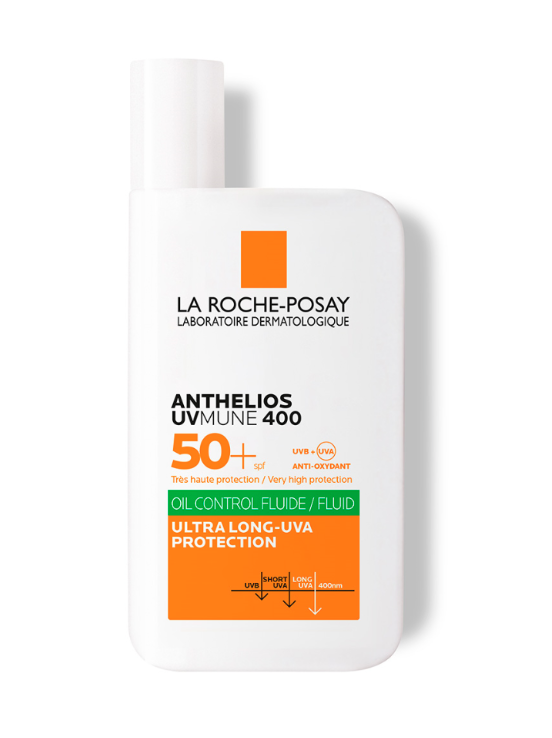
La Roche-Posay Anthelios UVMune 400 Oil Control SPF50+
A favourite for oily and acne-prone skin because it feels lightweight while still offering high protection.
Click Here to Buy now
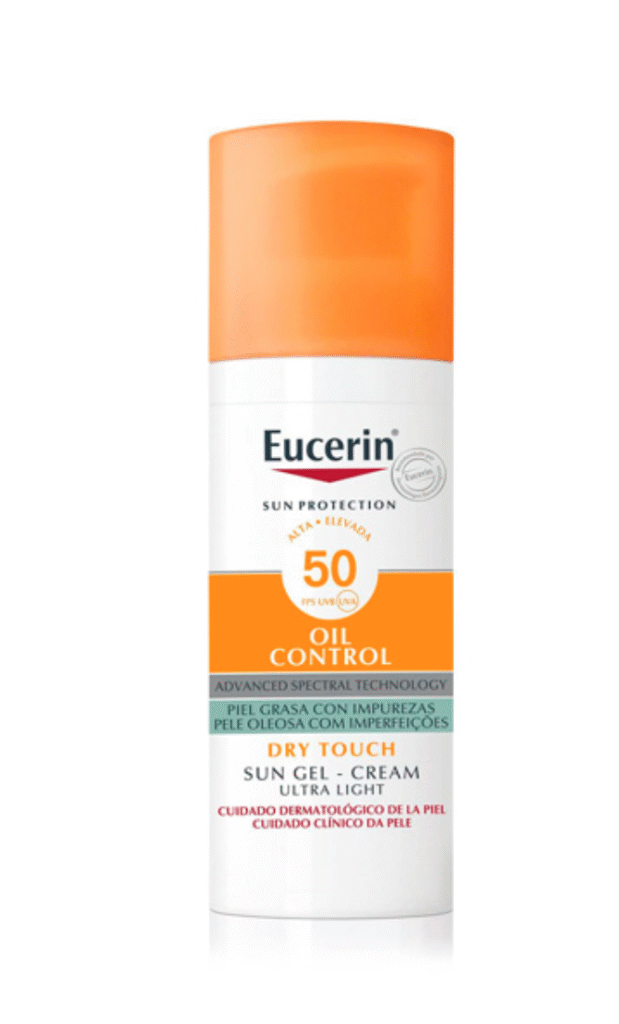
Eucerin Oil Control Sun Gel-Cream Dry Touch SPF50+
Designed specifically for oily skin, with a dry-touch finish that works well under makeup.
Click Here to Buy Now
Best Sunscreen for Dry Skin
Dry skin often struggles with sunscreen because some SPF formulas can leave skin feeling even tighter throughout the day.
Hydrating sunscreens tend to work much better, especially formulas containing ingredients like hyaluronic acid, ceramides and glycerin.
Look For:
- Cream or lotion textures
- Hydrating ingredients (such as hyaluronic acid)
- Dewy finishes
- Barrier-supporting formulas
Avoid:
- Alcohol-heavy sunscreens
- Ultra-mattifying SPFs
- Drying gel formulas
Recommended sunscreens for dry skin:
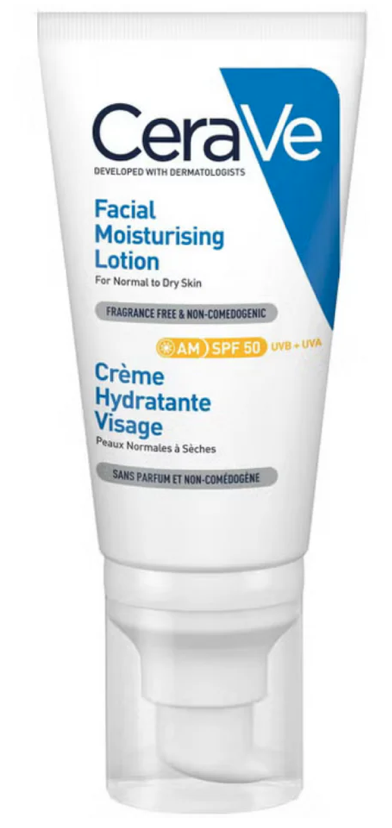
CeraVe Facial Moisturising Lotion SPF50
Developed with dermatologists and packed with ceramides to help support the skin barrier while protecting against UV damage.
Click HERE to Buy Now
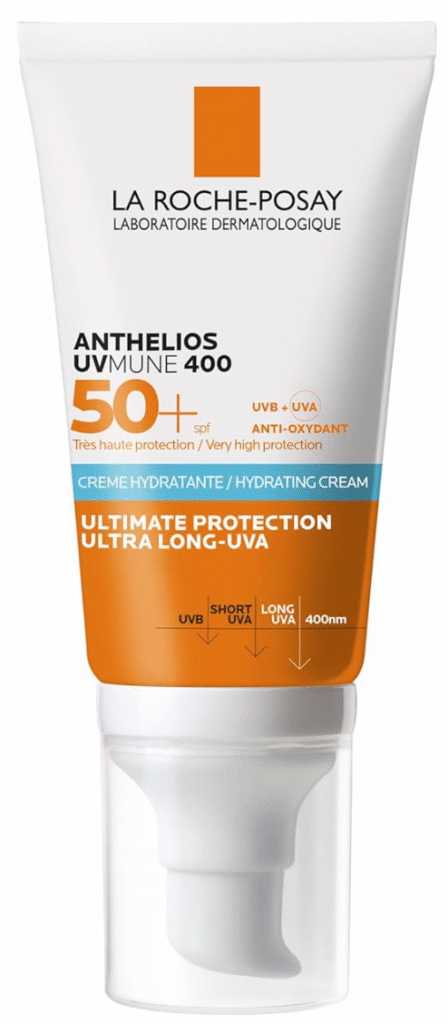
La Roche Posay Anthelios UVMune 400 Hydrating Cream SPF50+
Popular for its hydrating, glowy finish that sits beautifully under makeup.
Click HERE to Buy Now
If your skin regularly feels tight by the afternoon, switching to a more moisturising SPF can make a huge difference.
Best Sunscreen for Sensitive Skin
Sensitive skin can be tricky when it comes to sunscreen. Some formulas sting around the eyes, trigger redness or leave skin feeling irritated within minutes.
According to the American Academy of Dermatology, mineral sunscreens are often better tolerated by sensitive skin because they sit on top of the skin rather than absorbing into it.
Look for:
- Fragrance-free formulas
- Zinc oxide
- Minimal ingredient list
- Mineral sunscreen options
Avoid:
- Strong fragrance
- Essential oils
- Heavily perfumed SPF
Gentle SPF options for sensitive skin:
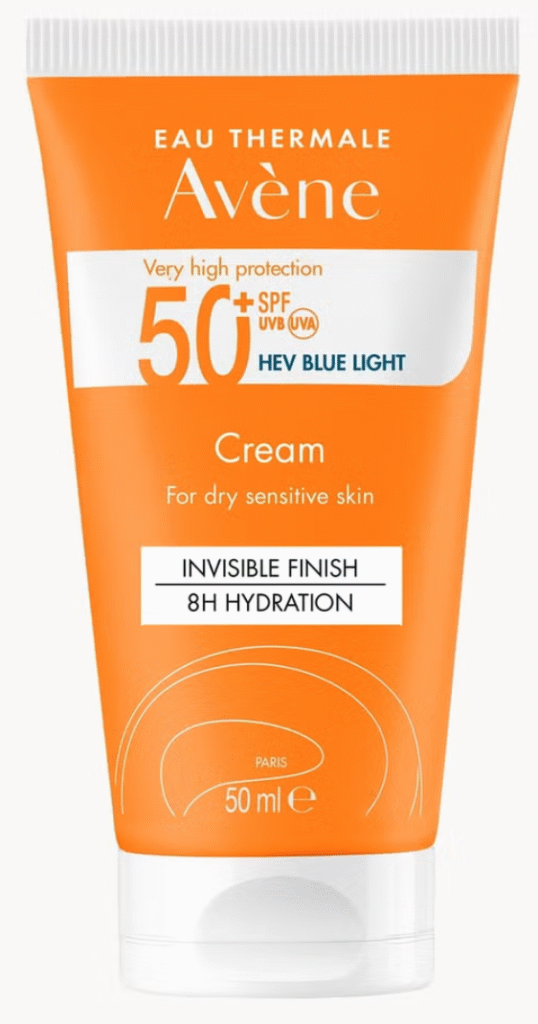
Avène Very High Protection SPF50+
Designed specifically for sensitive and reactive skin types.
Click Here to Buy Now
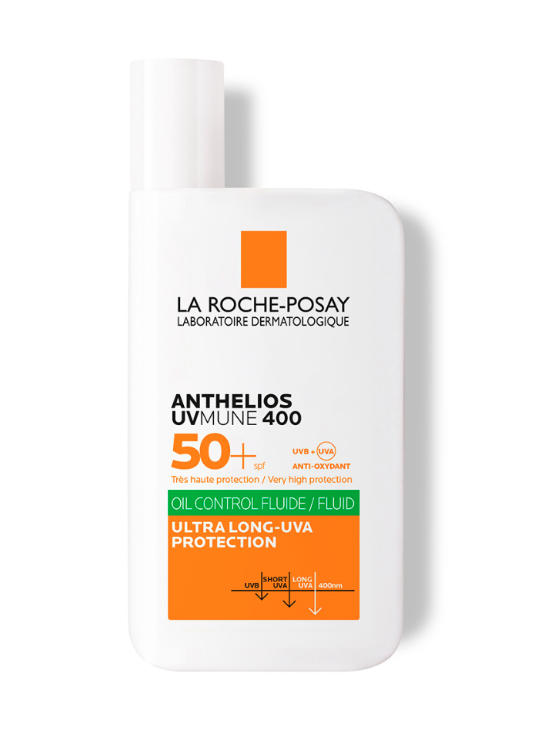
La Roche-Posay Anthelios UVmune 400 Invisible Fluid SPF50+
A cult-favourite for sensitive skin thanks to its lightweight, non-perfumed formula (My personal favourite SPF as someone who suffers from eczema)
Click HERE to Buy Now
Best Sunscreen for Acne-Prone Skin
Acne-prone skin still needs daily SPF, especially if you are using exfoliating acids, retinol or benzoyl peroxide. But finding a sunscreen that doesn’t clog pores can feel frustrating.
The best sunscreens for acne-prone skin are usually:
- Lightweight
- Breathable
- Fragrance-free
Ingredients like niacinamide and zinc can also help reduce excess oil while calming inflammation.
Many dermatologists recommend lightweight French pharmacy or Korean sunscreens because they’re designed for comfortable daily wear rather than heavy beach-style textures.
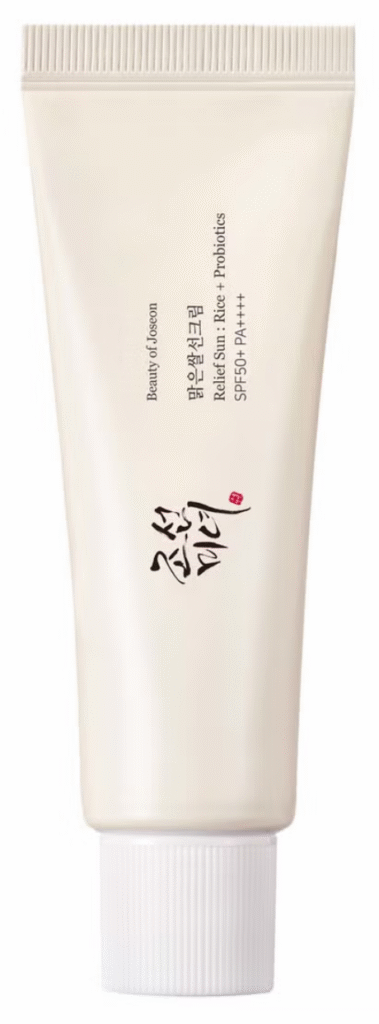
Beauty of Josen Relief Sun Rice Probiotics SPF 50+
This Korean sunscreen is a perfect choice for acne-prone skin, with a lightweight, breathable formula that protects against UV rays without clogging pores or triggering breakouts.
Click HERE to Buy Now
4 Sunscreen Mistakes Dermatologists See All The Time
Even the best sunscreen won’t work properly if you’re not using it correctly.
Here are some of the biggest SPF mistakes skin experts regularly see.
1. Not Applying Enough
Most people don’t apply enough sunscreen to get the SPF protection listed on the bottle.
For your face and neck, aim for around two finger lengths of product.
That may feel like a lot of product, but under-applying SPF dramatically reduces protection.
2. Only Wearing SPF on Sunny Days
UV rays don’t disappear when the weather changes.
Health boards and dermatologists recommend wearing sunscreen whenever UV exposure is possible, not just during summer holidays.
Daily SPF matters far more than occasional SPF.
3. Forgetting Your Neck and Hands
Your face isn’t the only area exposed to UV damage.
Neck, chest and hands are often some of the first places to show visible signs of ageing.
Always extend sunscreen beyond just your face.
4. Relying Only on Makeup SPF
Foundation with SPF sounds helpful, but it usually isn’t enough protection on its own.
Think of makeup SPF as a bonus, not as your main protection.
The best sunscreen for your face depends entirely on your skin type, texture preferences and daily routine. What works beautifully for oily skin may feel far too drying for someone with sensitive or dry skin.
But once your find the right formula, daily SPF becomes much easier, and your skin will benefit long term. Whether your focus is preventing premature ageing, protecting sensitive skin or reducing post-acne pigmentation, wearing sunscreen daily is one of the simplest ways to support healthier-looking skin over time.