
Starting a skincare routine can feel overwhelming. One minute you’re scrolling through TikTok and someone says you only need three products. The next, another creator is showing a shelf full of cleansers, serums and face masks, claiming they’re the secret to perfect skin.
At Dr Skincare, we believe the best skincare routine isn’t the one with the most products, it’s the one that’s backed by science and suited to your skin. Whether you’re completely new to skincare or looking to improve your current routine, understanding the basics will help you make informed choices and avoid wasting money on products you don’t need.
In this guide, we’ll explain why teenage skin is different, how to identify your skin type, what each skincare product actually does and how to build a routine that supports healthy skin.
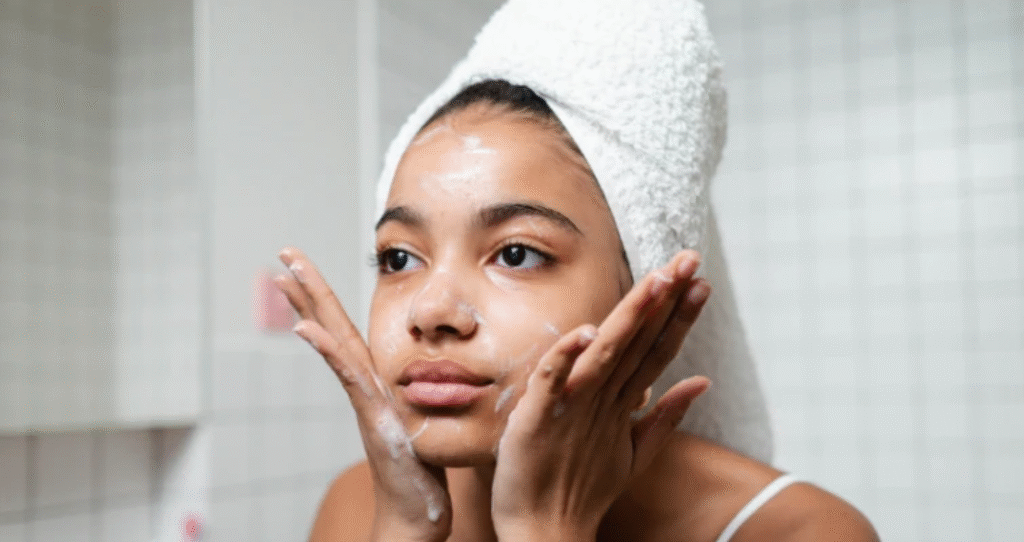
Why Is Teenage Skin Different?
During puberty, your body produces more hormones called androgens. These hormones stimulate your sebaceous (oil) glands, causing them to produce more sebum, your skin’s natural oil.
Sebum plays an important role in keeping your skin moisturised and protected, but producing too much can lead to blocked pores and increase the likelihood of breakouts. This is why many teenagers experience:
- Oily skin
- Blackheads and whiteheads
- Spots and acne
- Enlarged pores
- Occasional skin sensitivity
It’s also important to remember that everyone’s skin develops differently. Some people may struggle with persistent acne throughout their teenage years, while others experience only the occasional breakout.
Understanding Your Skin Type
Before buying any new products, it’s helpful to know your skin type. Choosing products that match your skin’s needs is far more important than following the latest social media trend.
Oily Skin
If your face becomes shiny throughout the day, particularly around your forehead, nose and chin, you probably have oily skin. Many teenagers have naturally oily skin because of increased hormone activity.
If this sounds familiar, the best skin care for oily skin usually includes lightweight, non-comedogenic products that help remove excess oil without drying the skin out completely.
Dry Skin
Dry skin often feels tight, rough or flaky, especially after washing your face. Rather than producing too much oil, dry skin lacks moisture and may need richer creams containing ingredients such as ceramides and glycerin.
Combination Skin
Combination skin is one of the most common skin types during the teenage years. Typically, the forehead, nose and chin (known as the T-zone) are oily, while the cheeks feel normal or slightly dry. A balanced routine using gentle products usually works well.
Sensitive Skin
Sensitive skin may sting, become red or feel irritated after trying new products. If your skin reacts easily, introduce new products one at a time and choose fragrance-free formulations whenever possible. Remember, your skin type can change over time, so don’t feel like you’re stuck with one routine forever.
What Does Each Skincare Product Actually Do?
Walk into any beauty shop or browse online and you’ll find hundreds of products claiming to transform your skin. But what do they actually do? Here’s a simple breakdown.
Cleanser
A cleanser removes dirt, excess oil, sweat, sunscreen and pollution that builds up on your skin throughout the day. Without cleansing, these impurities can contribute to clogged pores and breakouts.
A gentle cleanser should leave your skin feeling fresh and comfortable, not tight or squeaky clean. Most dermatologists recommend cleansing twice a day: once in the morning and again as part of your evening skin routine.
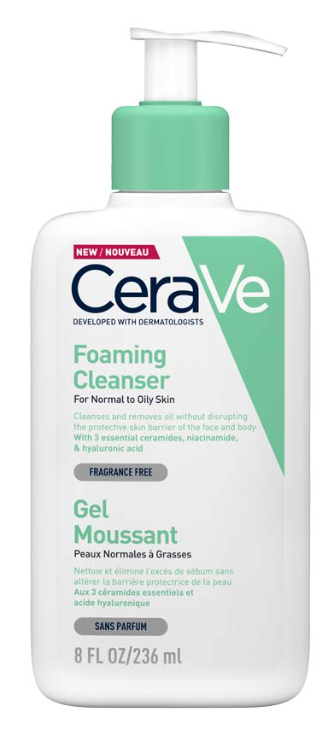
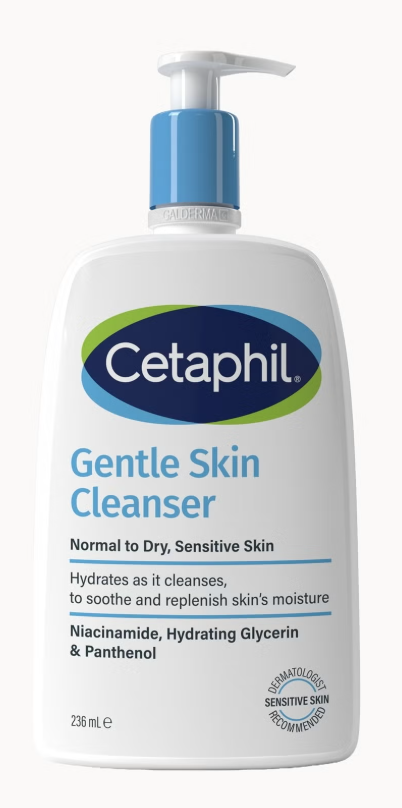
We highly recommend CeraVe and Cetaphil as they focus on on simple, effective ingredients rather than unnecessary fragrances or harsh exfoliants. Try:
Moisturiser
One of the biggest myths is that oily skin doesn’t need moisturiser. In reality, every skin type benefits from hydration.
Moisturisers help strengthen your skin barrier, reduce water loss and protect your skin from everyday environmental stressors. When your skin barrier is healthy, your skin is often better able to cope with irritation and maintain a balanced appearance.
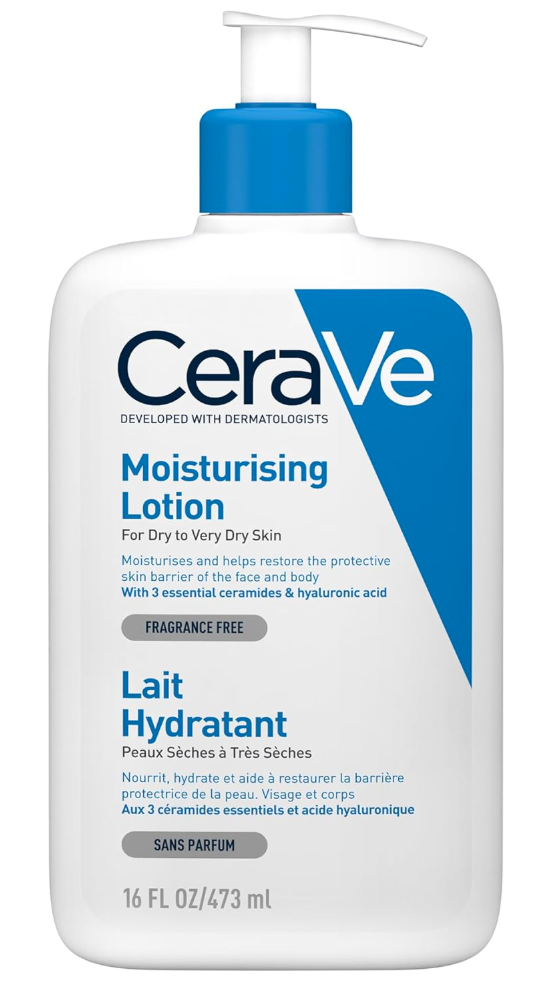
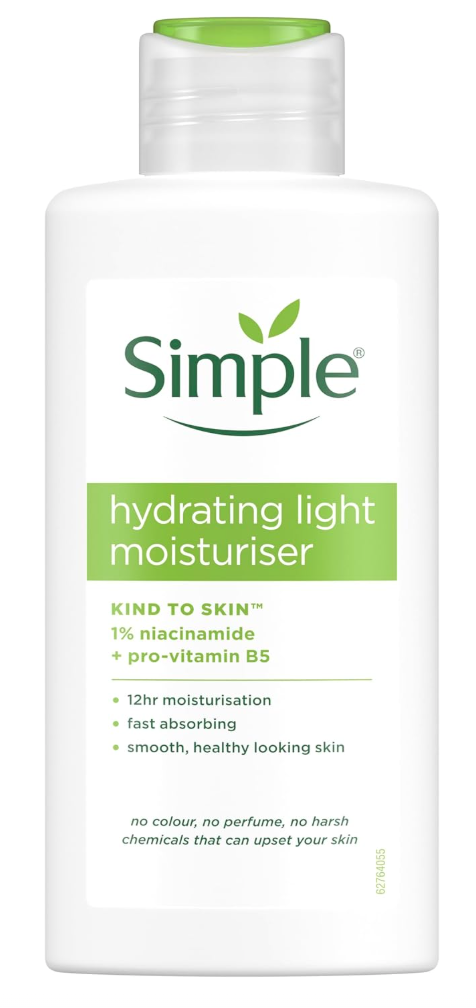
These moisturisers are perfect for a beginner-friendly, gentle skincare routine:
Sunscreen (SPF)
If there is one product dermatologists consistently recommend, it’s sunscreen.
Daily SPF helps protect your skin from ultraviolet (UV) rays, which can contribute to sun damage, premature skin ageing and uneven pigmentation over time. For those who experience breakouts, sunscreen can also help reduce the risk of post-inflammatory marks becoming darker after spots heal.
Even on cloudy days in the UK, UV rays are still present, making sunscreen an essential part of any best skincare routine. Read more here about what SPF to use for your skin type.
Serums
Serums are lightweight products designed to deliver concentrated ingredients that target specific skin concerns. For beginners, they’re completely optional.
Once you’ve established a consistent routine with a cleanser, moisturiser and sunscreen, you may decide to introduce a serum if you’re looking to address concerns such as excess oil, dehydration or occasional breakouts.
There’s no rush, healthy skin is built through consistency, not by using lots of products at once.
Toners
Toners have become increasingly popular thanks to social media, but they’re not an essential step for everyone.
Modern toners are often designed to provide hydration or prepare the skin for the next products in your routine. While they can be a nice addition, they’re unlikely to make a dramatic difference if you’re already following a simple, consistent routine. If you’re just starting out, it’s perfectly fine to skip toner altogether.
If you would like to try a toner, we recommend a gentle one to start out with like BYOMA Hydrating Milky Toner (Click HERE to Try Now)
Exfoliants
Exfoliating products help remove dead skin cells from the surface of your skin, leaving it feeling smoother and brighter. However, more isn’t better.
Overusing exfoliating acids or scrubs can damage your skin barrier and lead to redness, dryness and irritation. For most teenagers, exfoliating once or twice a week is more than enough, and only if your skin needs it.
A gentle exfoliant to use once/twice a week would be: Paula’s Choice SKIN PERFECTING 2% BHA Liquid Exfoliant (Click HERE to Buy Now)
Building Your First Skincare Routine
Now that you know what each product does, creating a routine becomes much less confusing. A basic routine for skincare doesn’t need ten different steps.
Morning
- Gentle cleanser to remove overnight oil and sweat.
- Moisturiser to hydrate and protect your skin barrier.
- Broad-spectrum SPF 30 or higher to protect against UV damage.
Evening
- Gentle cleanser to wash away dirt, sunscreen and excess oil.
- Moisturiser to replenish hydration while your skin naturally repairs itself overnight.
That’s all most beginners need.
Skincare Myths Every Beginner Should Ignore
When you’re new to skincare, it’s easy to come across advice that sounds convincing but isn’t always true. Here are some of the most common myths dermatologists hear.
“Oily skin doesn’t need moisturiser.”
False… Skipping moisturiser can actually leave your skin dehydrated, which may encourage it to produce even more oil.
“The more products you use, the better your skin will be.”
Not necessarily. Adding too many products too quickly can irritate your skin and make it difficult to know which products are actually helping.
“You should see results immediately.”
Healthy skin takes time. Most skincare products need at least six to eight weeks of consistent use before noticeable improvements appear. Patience is one of the most important parts of any skincare journey.
Learning about skincare doesn’t mean buying every product you see online. The best teenage skincare routine starts with understanding your skin, keeping your routine simple and choosing products that are supported by evidence rather than trends.
Whether you’re looking for skincare for teens, searching for the best skincare routine, or simply trying to understand where to begin, remember that consistency will always outperform complexity.
At Dr Skincare, we believe healthy skin is built through good habits, realistic expectations and expert guidance. Start with the basics, introduce new products gradually and don’t be afraid to seek professional advice if your skin needs extra support.