

If you’ve ever wondered whether exfoliating is really necessary, you’re not alone. Exfoliation is one of the most effective ways to improve your skin’s appearance, helping to remove dead skin cells and reveal a brighter, smoother complexion. However, knowing how and when to exfoliate is just as important as choosing the right product.
In this guide, we’ll explain exfoliation for the face, what exfoliating does, how often you should exfoliate, and the best exfoliators for different skin types.
What Does Exfoliating Mean?
You may have come across the term “exfoliation” but wondered exactly what it means.
Simply put, exfoliate meaning is the process of removing dead skin cells from the surface of your skin. While your skin naturally sheds these cells, they don’t always fall away completely. This can leave your complexion looking dull and may contribute to clogged pores or rough texture.
Regular exfoliation for the face helps reveal fresher, healthier-looking skin underneath.
What Does Exfoliating Do?
Many people ask, “What does exfoliating do?”
Exfoliating can provide several benefits, including:
- Removing dead skin cells
- Brightening dull skin
- Improving skin texture
- Helping skincare products absorb more effectively
- Reducing clogged pores
- Supporting a smoother complexion
When done correctly, exfoliation can leave your skin looking healthier, softer, and more radiant.
Physical vs Chemical Exfoliation
There are two main types of facial exfoliation.
Physical Exfoliation
Physical exfoliators use small particles or tools to manually remove dead skin cells.
Examples include:
- Facial scrubs
- Cleansing brushes
- Exfoliating cloths
These can be effective but should always be used gently to avoid irritating the skin.
Chemical Exfoliation
Chemical exfoliants use ingredients such as AHAs, BHAs, or PHAs to dissolve dead skin cells without scrubbing.
Popular ingredients include:
- Glycolic acid
- Lactic acid
- Salicylic acid
Chemical exfoliation is often a gentler option for many skin types when used correctly.
How Often Should You Exfoliate?
One of the biggest mistakes people make is exfoliating too often.
As a general guide:
- Dry skin: once a week
- Sensitive skin: once every 1–2 weeks
- Combination skin: 1–2 times per week
- Oily skin: up to 2–3 times per week
Over-exfoliating can damage your skin barrier, leading to redness, dryness, and irritation.
Choosing the Best Exfoliator for Your Skin Type
Not every exfoliator is suitable for everyone. Which is why it is good to know your skin type, before choosing an exfoliator, as some products may be harsh on certain skin types.
Dry Skin
If you have dry skin, choose gentle exfoliators with hydrating ingredients.
We recommend:
The Ordinary Lactic Acid 5% + HA
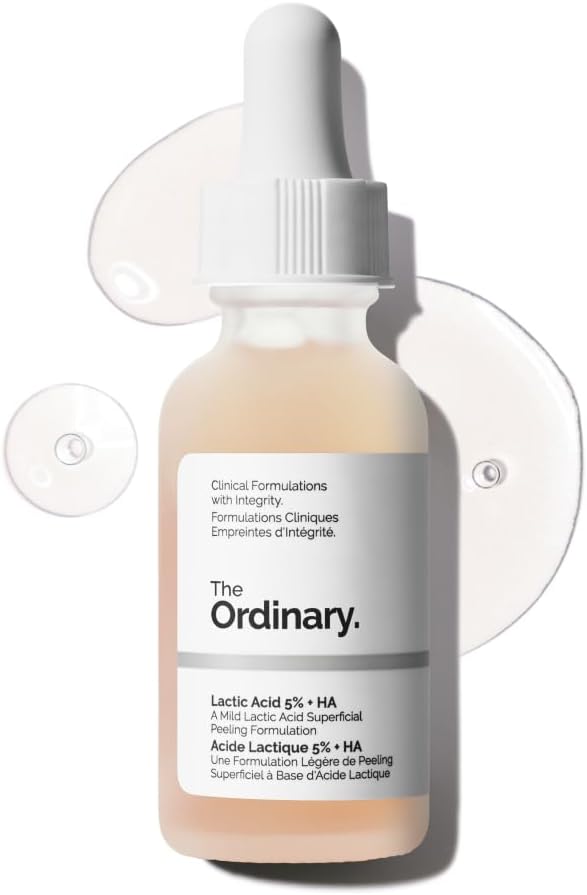
This gentle chemical exfoliant helps smooth dry skin while providing hydration.
Oily Skin
Salicylic acid is one of the best ingredients for oily skin because it helps unclog pores and reduce excess oil. For more information on oily skin, read our blog here.
We recommend:
Paula’s Choice Skin Perfecting 2% BHA Liquid Exfoliant
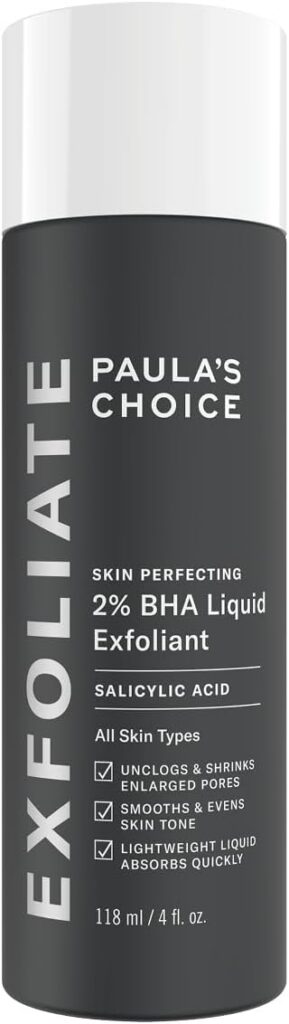
This cult favourite leaves skin looking clearer and smoother.
Sensitive Skin
Choose mild exfoliants with lower acid concentrations or PHAs. For more information on sensitive skin, read our blog here.
We would recommend:
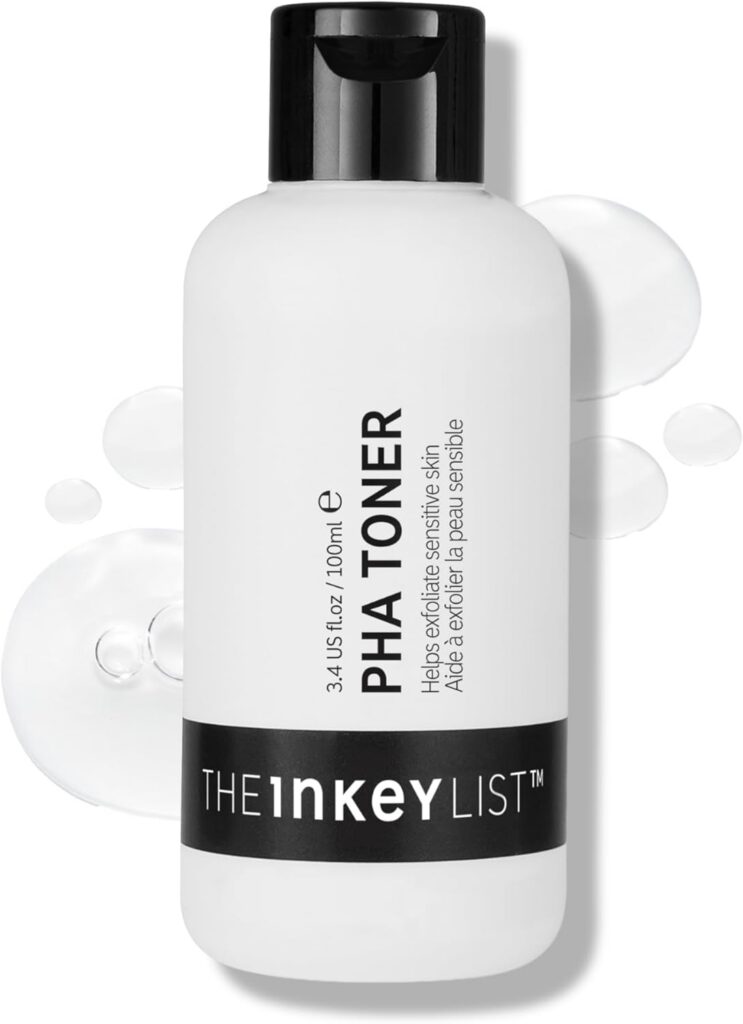
Its gentle formula helps improve skin texture with minimal irritation.
Combination Skin
Combination skin benefits from lightweight chemical exfoliants that target both oily and dry areas. For more information on combination skin types, read our blog here.
We would recommend:
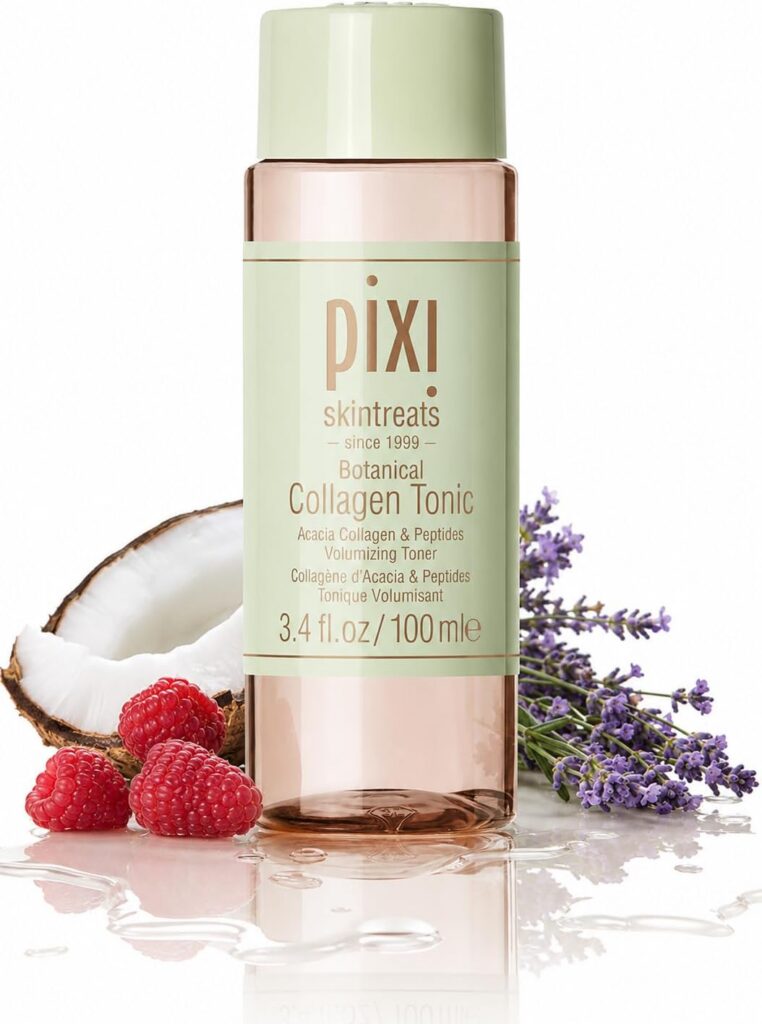
Containing glycolic acid, it gently brightens the skin while improving overall texture.
Are Natural Exfoliators Better?
Many people search for a natural exfoliator for the face, but natural isn’t always better.
Ingredients like oatmeal, finely ground oats, or yoghurt can provide gentle exfoliation for some people.
However, avoid harsh DIY scrubs made with ingredients such as sugar, salt, or lemon juice, as these can damage the skin and cause irritation.
If you prefer natural skincare, choose products specifically formulated for facial use.
Common Exfoliating Mistakes
Exfoliating Too Often
Using an exfoliator every day can damage your skin barrier and lead to redness or sensitivity. Giving your skin time to recover between treatments is just as important as exfoliating itself.
Using Harsh Scrubs
Large, rough particles can create tiny tears in the skin, especially if you scrub too aggressively. Always choose gentle exfoliators designed specifically for the face.
Skipping Moisturiser
After exfoliating, your skin needs hydration. Applying a moisturiser helps soothe the skin and lock in moisture.
Forgetting Sunscreen
Freshly exfoliated skin is more sensitive to UV rays. Always apply a broad-spectrum sunscreen the following morning to protect your skin.
Mixing Too Many Active Ingredients
Avoid combining exfoliating acids with other strong ingredients, such as retinol, on the same evening unless your skin is already used to them. This can increase irritation and damage the skin barrier.
Simple Exfoliation Routine
Morning
- Gentle cleanser
- Moisturiser
- Sunscreen
Evening (1–2 times per week)
- Cleanser
- Exfoliator
- Hydrating serum
- Moisturiser
Keeping your routine simple allows your skin to recover and reduces the risk of irritation.
Final Thoughts
Understanding exfoliation for the face is one of the best ways to improve your skincare routine. Whether you choose a gentle chemical exfoliant or a mild physical scrub, regular exfoliation can help reveal smoother, brighter, and healthier-looking skin.
Remember that more isn’t always better. Exfoliating the right amount, using products suitable for your skin type, and following up with moisturiser and sunscreen will help you get the best results while protecting your skin barrier.
FAQ’s
What does exfoliating do?
Exfoliating removes dead skin cells from the surface of the skin, helping to improve texture, brighten your complexion, and keep pores clear.
How often should I exfoliate my face?
Most people should exfoliate one or two times per week, although oily skin may tolerate slightly more frequent exfoliation.
What is the best exfoliator for dry skin?
Gentle chemical exfoliants containing lactic acid are often a great option because they exfoliate while helping to keep the skin hydrated.
Can I exfoliate if I have sensitive skin?
Yes, but it’s important to choose a gentle exfoliator and avoid over-exfoliating. Products containing PHAs are often suitable for sensitive skin.
Should I moisturise after exfoliating?
Yes. Applying moisturiser after exfoliating helps restore hydration, support the skin barrier, and reduce the risk of irritation.
