Combination skin can be one of the trickiest skin types to care for. One day your T-zone feels oily and shiny, while your cheeks feel dry or tight. Finding products that work for both concerns can feel like a challenge, but with the right routine, it’s possible to keep your skin balanced, healthy, and hydrated.
In this guide, we’ll cover the best skincare routine for combination skin, including how to choose the best cleanser for combination skin, the best face wash for combination skin, serums, moisturisers, and other essentials that can help you achieve a more balanced complexion.
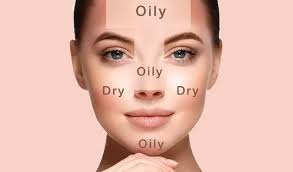
What Is Combination Skin?
Combination skin is exactly what it sounds like, a mix of different skin types on the face.
Typically, people with combination skin experience:
- An oily T-zone (forehead, nose, and chin)
- Normal or dry cheeks
- Occasional breakouts in oily areas
- Dryness or tightness in other areas
Because combination skin has different needs across the face, the goal isn’t to completely eliminate oil or dryness. Instead, it’s about creating balance.
Start With the Best Cleanser for Combination Skin
Cleansing is the foundation of any skincare routine. The wrong cleanser can leave oily areas feeling greasy or dry areas feeling stripped. The best face wash for combination skin should remove excess oil and impurities while maintaining the skin’s natural moisture barrier.
Look for:
- Gentle foaming cleansers
- Hydrating ingredients
- Non-comedogenic formulas
We would recommend:
Cetaphil Gentle Skin Cleanser: this is a long lasting hydrating cleanser perfect for combination skin

These cleansers help balance oil production while keeping drier areas comfortable and hydrated.
Use a Hydrating Serum
A serum can help target specific concerns without making your skin feel heavy.
The best combination skin serum often contains ingredients that hydrate while helping regulate oil production.
Look for:
- Hyaluronic acid
- Niacinamide
- Peptides
We would recommend:
The Ordinary Hyaluronic Acid 2% + B5: this product provides immediate, long-lasting hydration for smoother, plumper, and healthier-looking skin.
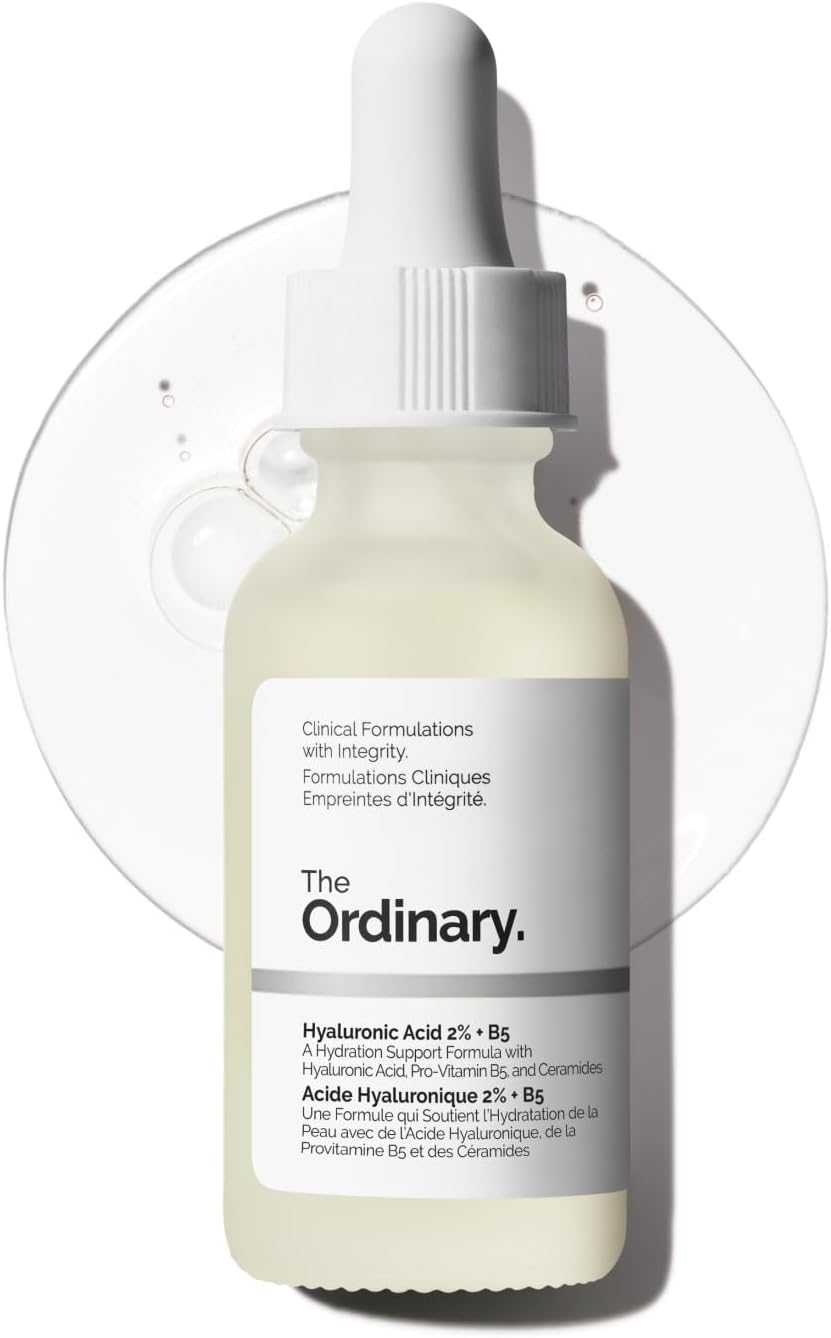
These serums provide hydration without clogging pores or contributing to excess shine.
Choose the Best Moisturiser for Combination Skin
Many people with combination skin worry that moisturiser will make oily areas worse. In reality, skipping moisturiser can disrupt your skin barrier and make both dryness and oiliness more noticeable.
The best moisturiser for combination skin should be lightweight enough for oily areas while providing hydration where it’s needed.
We would recommend:
Neutrogena Hydro Boost Water Gel: this product increase moisture levels, with 98% agreed skin was left nourished
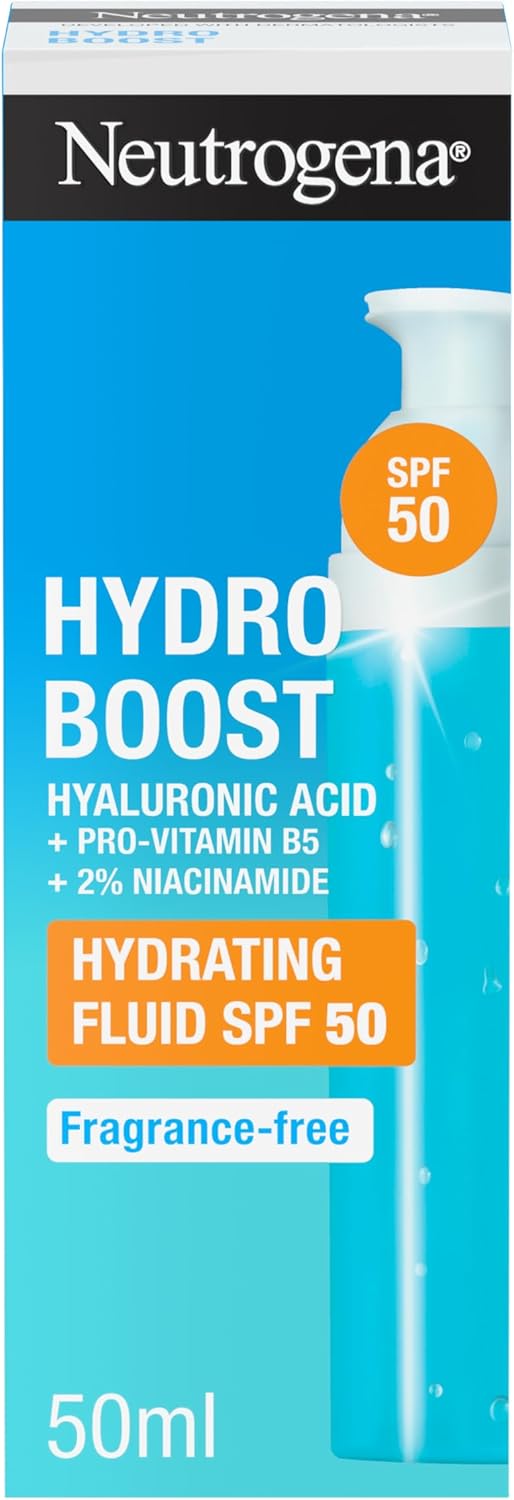
These moisturisers help maintain hydration without feeling greasy.
Don’t Skip Sunscreen
Daily SPF is essential for every skin type, including combination skin. Many modern sunscreens are lightweight and won’t leave the skin feeling sticky or oily.
We would recommend:
La Roche-Posay Anthelios UVMune 400 Invisible Fluid SPF 50+: this product adapts perfectly to sensitive skin prone to sun intolerance with strong sun exposure
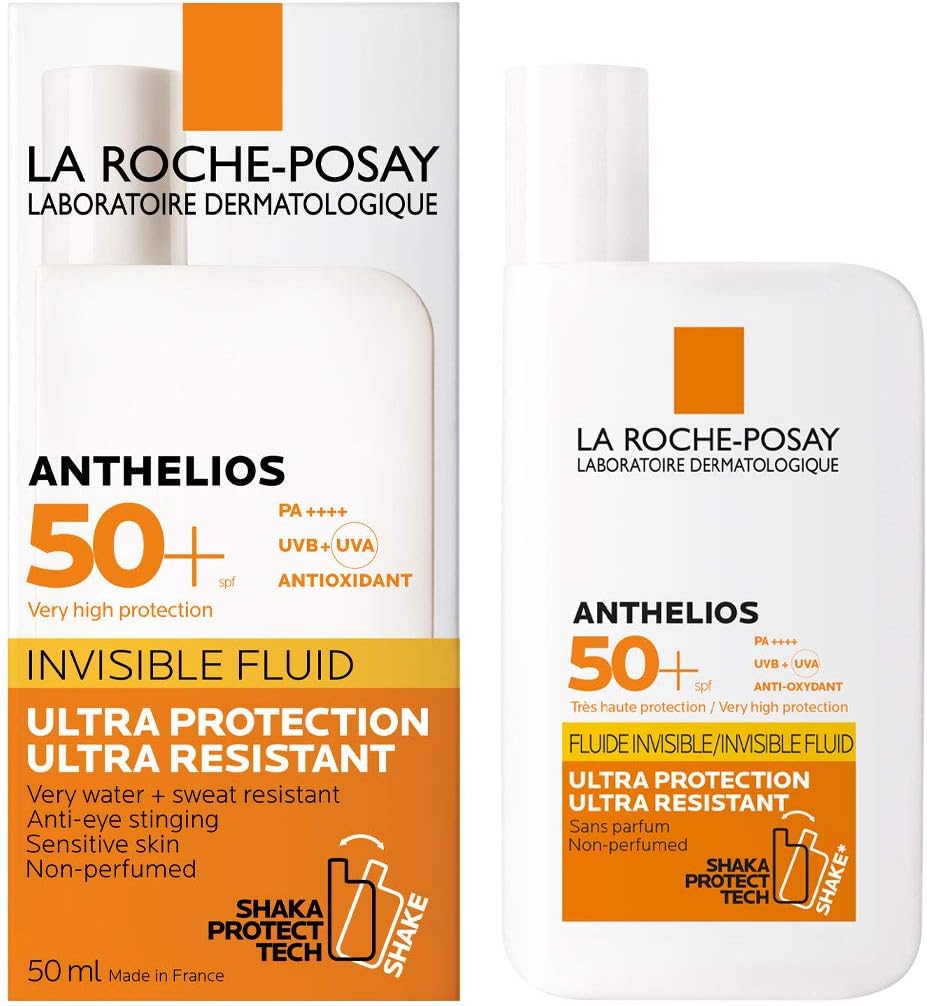
Applying sunscreen every morning helps protect against premature ageing, pigmentation, and sun damage.
More information and advice on sunscreen can be found here on our Sunscreen Blog
Exfoliate Carefully
Exfoliation can help remove dead skin cells, improve skin texture, and prevent clogged pores. However, over-exfoliating can worsen both dryness and oiliness. Aim to exfoliate 1–2 times per week using gentle chemical exfoliants.
We would recommend:
The Ordinary Lactic Acid 5% + HA: this product gently smooths the skin texture and reveals a brighter complexion
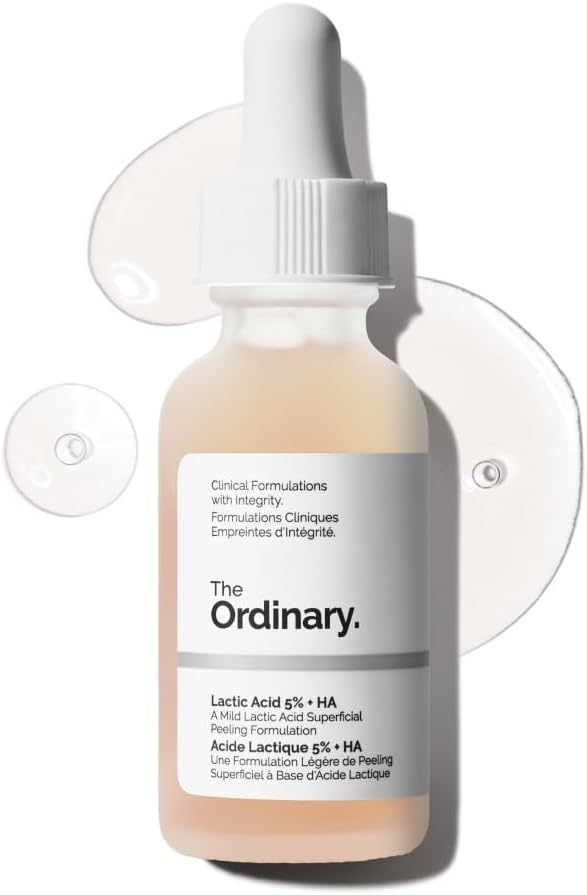
These options help smooth the skin without being overly harsh.
Add Niacinamide for Better Balance
Niacinamide is one of the most versatile skincare ingredients for combination skin.
It can help:
- Regulate excess oil production
- Improve the appearance of pores
- Support the skin barrier
- Reduce redness
We would recommend:
The Ordinary Niacinamide 10% + Zinc 1%: this product visibly improves skin radiance and smooths texture in just one week.
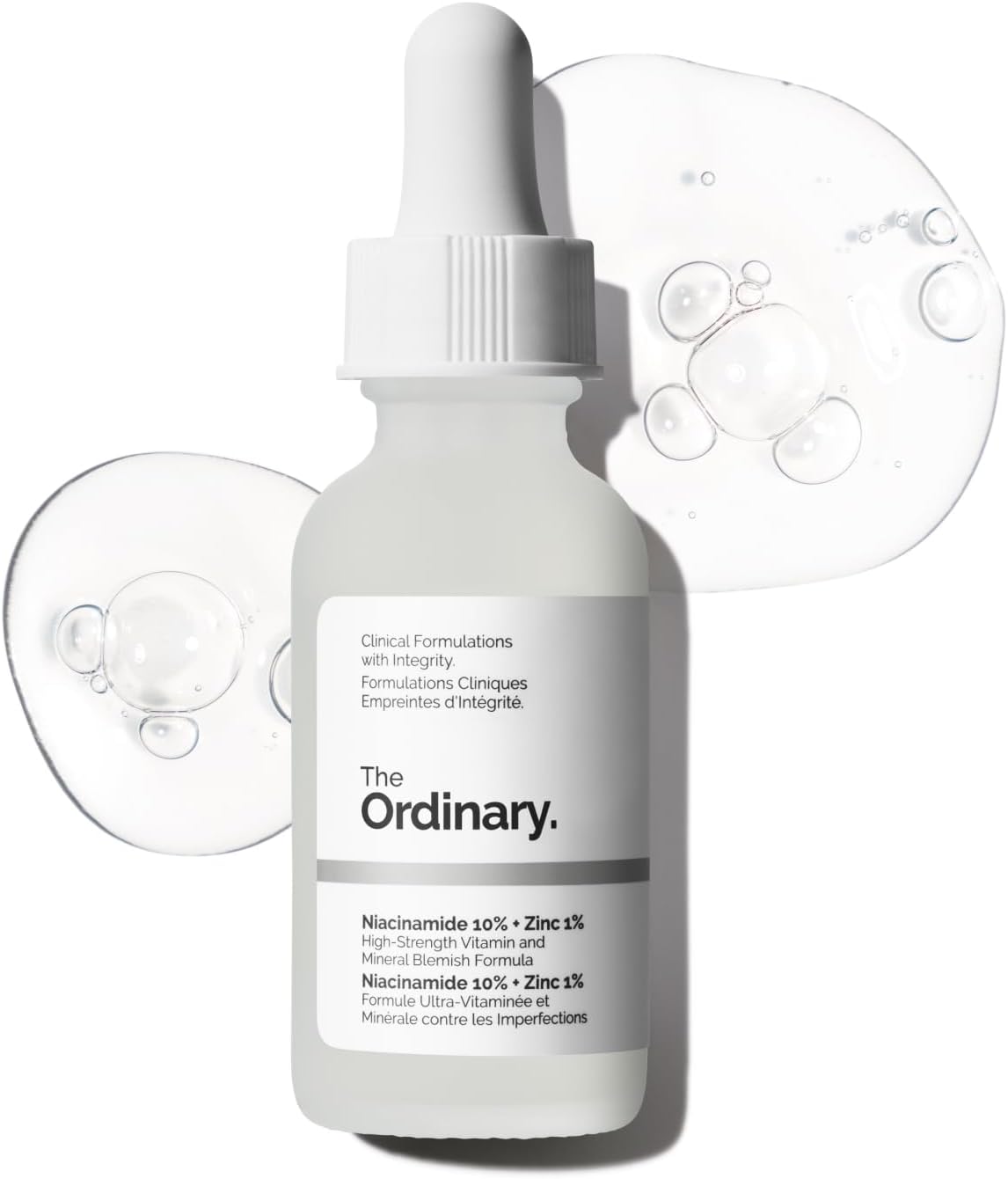
Adding niacinamide to your routine can help create a more even and balanced complexion over time.
Best Skincare Routine for Combination Skin
Combination skin often changes with the seasons.
During winter:
- You may need a richer moisturiser
- Dry areas may become more noticeable
During summer:
- Oil production may increase
- Lightweight products may work better
Paying attention to how your skin changes throughout the year can help you choose the right products at the right time.
Best Skincare Routine for Combination Skin
If you’re looking for a simple routine, start here:
Morning:
- Cleanser
- Hydrating Serum
- Moisturiser
- Sunscreen
Evening:
- Cleanser
- Serum (Niacinamide or hyaluronic acid)
- Moisturiser
Exfoliate 1–2 times per week in the evening as needed.
For more advice on these steps, visit our blogs:
Final Thoughts
Finding the best skincare routine for combination skin is all about balance. Instead of treating your entire face as oily or dry, choose products that support both concerns.
By using the best cleanser for combination skin, a lightweight serum, and the best moisturiser for combination skin, you can create a routine that keeps your skin comfortable, hydrated, and healthy all year round.
Consistency is key, and with the right products and following our “best skincare routine for combination skin” your skin can be much easier to manage.
How do I know if I have combination skin?
If your T-zone (forehead, nose, and chin) gets oily but your cheeks feel normal or dry, you likely have combination skin.
What is the best skincare routine for combination skin?
A simple routine of cleanser, serum, moisturiser, and sunscreen works best. The goal is to keep oily areas balanced while keeping dry areas hydrated.
What ingredients are good for combination skin?
Niacinamide and hyaluronic acid are great choices. Niacinamide can help control excess oil, while hyaluronic acid provides lightweight hydration.
Should I use different products on different areas of my face?
Sometimes, yes. If your cheeks are dry but your T-zone is oily, you may benefit from applying richer products to dry areas and lighter products to oily areas.