Gluten-free skincare: trend or essential? If you’ve ever scanned a label, unsure whether wheat or barley extracts could affect your skin, you’re not alone. Here’s your clear, no-fluff guide to understanding gluten-free skincare and what products actually work.
What Does Gluten-Free Skincare Mean?
Gluten-free skincare simply means products made without gluten-derived ingredients like wheat, barley, or rye. You’ll often find these ingredients in skincare for hydration or to improve texture, but if you’re ingredient-conscious, have celiac disease, or deal with gluten sensitivity, you might prefer avoiding them altogether. According to NCA (National Celiac Association), they suggest that “We recommend skincare products to be gluten-free if there is a potential that they might be ingested, or if you have allergic skin reactions to gluten.”
The good news? For most people, gluten in skincare isn’t absorbed through the skin and won’t trigger typical gluten-related health issues. However, if you’re concerned about accidental ingestion (such as lip balms or hand creams) or simply want peace of mind, choosing gluten-free skincare can help you feel confident in your routine.
According to Dr. Alessio Fasano, a leading celiac disease specialist, in his article “Gluten in Cosmetics: Is There a Reason for Concern?” there is currently no scientific evidence that gluten in skincare products harms people with celiac disease, including those with dermatitis herpetiformis (the skin form of celiac disease).
“There is currently no scientific evidence that gluten used in cosmetics that are not ingested is harmful to individuals with celiac disease, including those with dermatitis herpetiformis… Based on what we know right now, it is the oral ingestion of gluten that activates the immunological cascades leading to the autoimmune process typical of celiac disease.” – Dr. Alessio Fasano
This means that topical gluten is unlikely to trigger celiac-related immune responses, even if you have dermatitis herpetiformis. However, if you have open skin lesions or are concerned about accidental ingestion from lip balms or hand creams, you may still prefer gluten-free skincare for peace of mind.
Who Should Consider Gluten-Free Skincare?

While most people don’t need to worry about gluten in their skincare, there are a few exceptions. If you have celiac disease or dermatitis herpetiformis, even small amounts of gluten from lip balms or hand creams could lead to accidental ingestion, so gluten-free products may give you peace of mind.
If you have a wheat allergy or gluten sensitivity, avoiding gluten in skincare can help reduce potential skin reactions. And for those who simply prefer a clean, conscious routine, choosing gluten-free skincare is another way to align your products with your wellness goals.
Does Gluten in Skincare Cause Skin Issues?
For most people, gluten in skincare doesn’t trigger acne, eczema, or irritation when applied to the skin. If you’ve heard that gluten causes breakouts, rest assured, there’s no solid evidence supporting this.
However, some people may react to wheat-derived ingredients in skincare, but this is usually due to a wheat allergy, not gluten itself. If you’re unsure or have sensitive skin, it’s safest to choose gluten-free products, especially for lip balms, hand creams, and facial skincare, where accidental ingestion is more likely.
These Are The Ingredients to Watch For
If you’re aiming to avoid gluten in your skincare, check labels for these common ingredients:
- Hydrolyzed wheat protein
- Wheat germ oil
- Barley extract
- Triticum vulgare (wheat)
These ingredients may indicate that gluten is present in the product. If you see them listed, it’s best to skip that product if you want to keep your skincare gluten-free.
How to Choose Gluten-Free Skincare Products
Choosing gluten-free skincare doesn’t have to be overwhelming. Here are a few simple steps to help you feel confident while shopping:
✅ Look for Certified Gluten-Free Labels
Some brands label their products as gluten-free, which makes it easier to choose with peace of mind. While not all brands get official certification, many clearly state gluten-free status on their websites.
✅ Read Ingredient Lists Carefully
Watch for ingredients like hydrolyzed wheat protein, wheat germ oil, barley extract, and Triticum vulgare (wheat). If you see these, the product may contain gluten.
✅ Prioritize Certain Product Types
If you’re concerned about gluten ingestion, prioritize gluten-free options for lip balms, hand creams, and facial products used near the mouth.
✅ Contact Brands When in Doubt
Don’t hesitate to reach out to brands for clarity on specific products. Brands like Paula’s Choice, Dermalogica, and Dr.Barbara Sturm provide detailed ingredient information for gluten-conscious consumers.
Paula’s Choice
- Ingredient Glossary: They emphasize ingredient transparency:
🔗 https://www.paulaschoice.com/ingredient-dictionary
- Paula’s Choice Customer Care :
While Paula’s Choice does not publicly list a gluten-free page, You can still contact them for product-specific gluten-free status here:
🔗 https://www.paulaschoice.com/contact-us
Dermalogica
Dermalogica confirms in the product FAQ sections which products are gluten-free. However, for full assurance, Dermalogica encourages customers to contact their support for product-specific gluten-free status:
🔗 Dermalogica | Contact Us
Dr. Barbara Sturm
For gluten-free product status or ingredient concerns, submit via:
🔗 Dr. Barbara Sturm Contact Page
✅ Remember: It’s About What Feels Right for You
While gluten in skincare won’t affect most people, choosing gluten-free products can help you feel aligned with your health goals, especially if you have celiac disease or severe sensitivities.
✅ SkinSAFE to Find Gluten-Free Skincare Products
I know it can be overwhelming to check ingredient lists when searching for gluten-free skincare and cosmetic products. So, let me introduce a very helpful website, a dermatologist-developed resource called SkinSAFE. The platform lets you search and filter products specifically labeled as gluten-free, making it easier to create a skincare routine that fits your health needs and preferences.
SkinSAFE also lets you filter by other concerns like fragrance-free, paraben-free, or sensitive-skin-friendly, ensuring your skincare routine remains both safe and effective.
🔗 SkinSAFE
Best Gluten-Free Skincare Products to Try
Paula’s Choice
Skin Perfecting 2% BHA Exfoliating Toner for Clear Skin
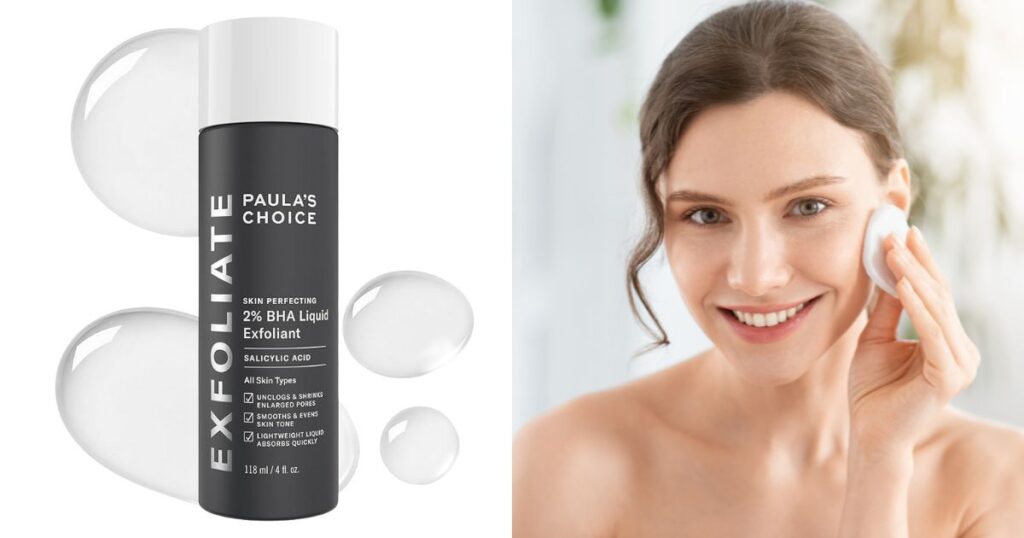
This cult-favorite toner gently exfoliates with 2% salicylic acid to unclog pores, smooth texture, and reduce breakouts without irritation. It’s lightweight, non-drying, and perfect for acne-prone skin looking for a clearer, brighter complexion while maintaining a gluten-free routine.
Dermalogica
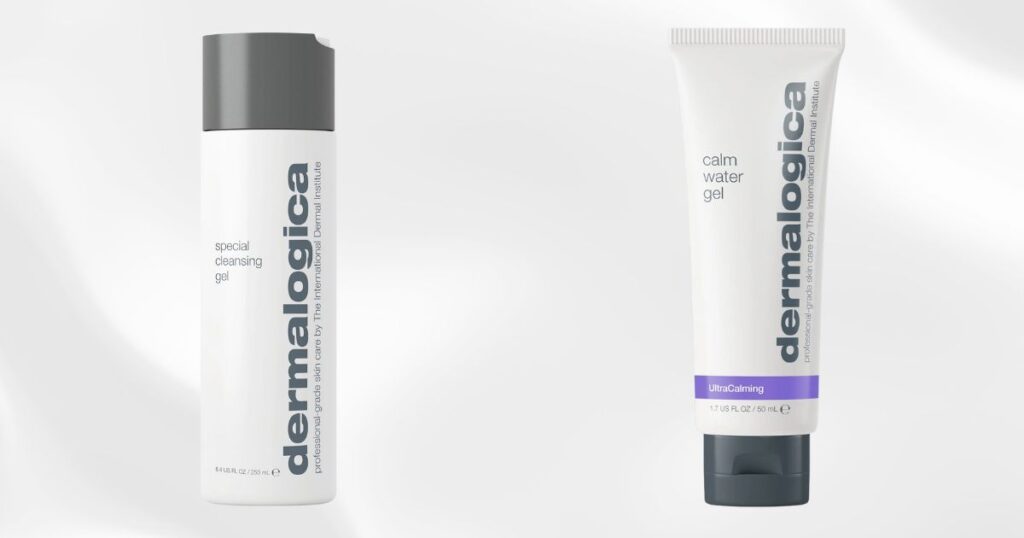
Special Cleansing Gel
A gentle, soap-free foaming cleanser that effectively removes impurities without stripping the skin. Formulated for all skin types, it helps keep your skin clean, balanced, and refreshed while supporting a gluten-free skincare regimen.
Calm Water Gel
This ultra-lightweight, hydrating water-gel moisturizer soothes and calms sensitive, dehydrated skin. It provides immediate hydration with a weightless feel, making it ideal for those needing gentle, gluten-free moisture without heaviness.
Dr. Barbara Sturm
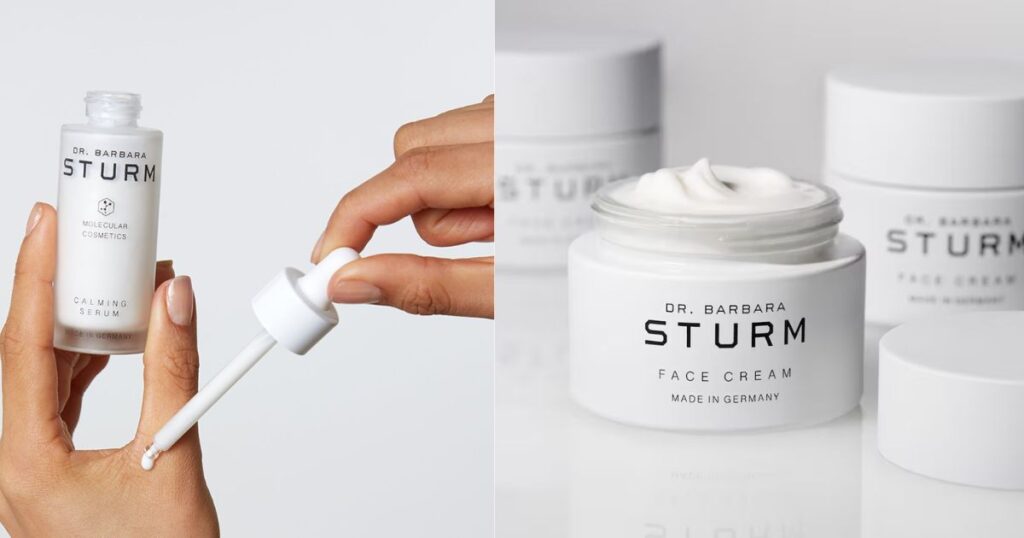
Calming Serum
Designed for irritated or sensitive skin, this serum reduces redness, strengthens the skin’s defenses, and provides a calming effect. Its soothing formula supports barrier repair while aligning with your gluten-free skincare needs.
Face Cream Light
A lightweight yet nourishing moisturizer that delivers hydration and protection without feeling greasy. It’s perfect for combination to oily skin, helping balance and soothe while keeping your skincare routine gluten-free.
Disclaimer: The information provided in this guide is for educational purposes only and is not a substitute for professional medical advice. Always check with brands and your healthcare provider if you have concerns about gluten and skincare products.

Best Korean Skincare Products for Glowing Skin in 2026
Every week, another skincare product seems to go viral. One day it’s a toner that’s “changed everyone’s skin”. The next,…

The Simple, Affordable and Effective Beginner’s Guide to Teenage Skincare
Starting a skincare routine can feel overwhelming. One minute you’re scrolling through TikTok and someone says you only need three…
Menopause Skincare: The Best Routine for Healthy, Hydrated Skin
Menopause brings many changes to the body, including noticeable changes to your skin. As hormone levels naturally decline, particularly oestrogen,…

The Ultimate Beginner’s Guide to Korean Skincare: Everything You Need
Korean skincare, also known as K-Beauty, has become one of the biggest skincare trends in the world, and it’s easy…
The Truth About 2026 Skincare Trends: What’s Actually Worth Buying
Open TikTok and you’ll probably see a “Get Ready With Me” video, a Sephora haul or someone showing off the latest viral…
The Best Anti-Ageing Skincare Products for Healthy Looking Skin
Healthy, radiant skin isn’t about trying to stop the ageing process, it’s about supporting your skin as its needs change…