
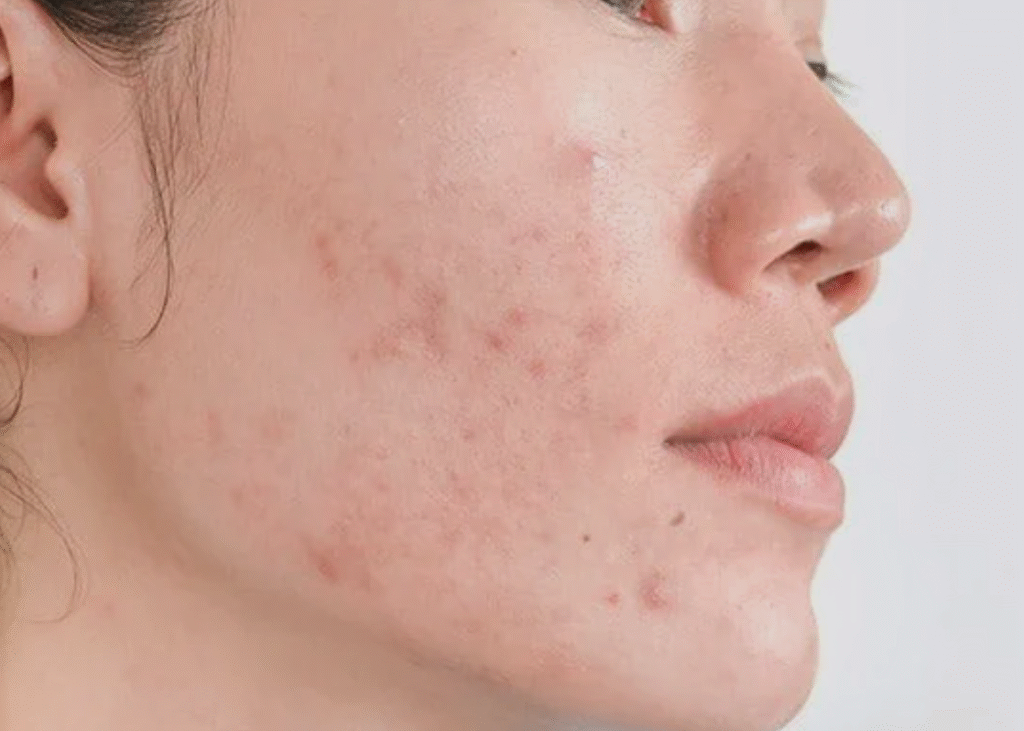
Acne is one of the most common skin concerns, affecting people of all ages. Whether you’re dealing with the occasional pimple or frequent breakouts, the right skincare routine can help improve your skin over time. While acne can’t always be prevented completely, using gentle, effective products can reduce breakouts and support healthier-looking skin.
In this guide, we’ll explain what acne is, what causes pimples, and how to build the best skincare routine for acne-prone skin.
What Is Acne?
Acne is a skin condition that develops when pores become clogged with excess oil, dead skin cells, and bacteria. This can lead to different types of blemishes, including blackheads, whiteheads, pimples, and deeper, more painful spots.
Although acne is often associated with teenagers, it can affect adults too.
What Causes Pimples?
Many factors can contribute to acne and breakout-prone skin, including:
- Excess oil production
- Hormonal changes
- Clogged pores
- Bacteria on the skin
- Certain skincare products
- Stress
- Genetics
Understanding what causes your breakouts can help you choose products that better suit your skin.
Types of Acne
Not all breakouts look the same. Some of the most common types include:
Blackheads
Acne treatments take time to work. While it can be frustrating, most people won’t notice significant improvements for several weeks. Staying consistent with your skincare routine is one of the most important factors in achieving clearer skin.
Whiteheads
Whiteheads form when pores become clogged but remain closed. They appear as small white or flesh-coloured bumps beneath the surface of the skin and are commonly found on the face, chest, and back. Gentle cleansing and regular exfoliation can help reduce their appearance.
Papules
Papules are small, red, inflamed bumps that can feel tender to the touch. Unlike blackheads or whiteheads, they do not contain visible pus. Papules develop when clogged pores become inflamed and should not be picked, as this can worsen irritation and increase the risk of scarring.
Cystic Acne
Cystic acne is one of the most severe forms of acne. It appears as large, painful, swollen bumps beneath the skin and is more likely to cause permanent scarring if left untreated. If you think you have cystic acne, it’s best to speak to a dermatologist or healthcare professional, who can recommend the most appropriate treatment.
Although different types of acne require different approaches, maintaining a consistent skincare routine with gentle cleansing, suitable treatments, and daily moisturising can help improve the overall appearance and health of your skin over time.
The Best Skincare Routine for Acne-Prone Skin
A consistent skincare routine is one of the most effective ways to manage acne.
Step 1: Cleanse Gently
Start with a gentle cleanser that removes excess oil without stripping your skin. We would recommend:
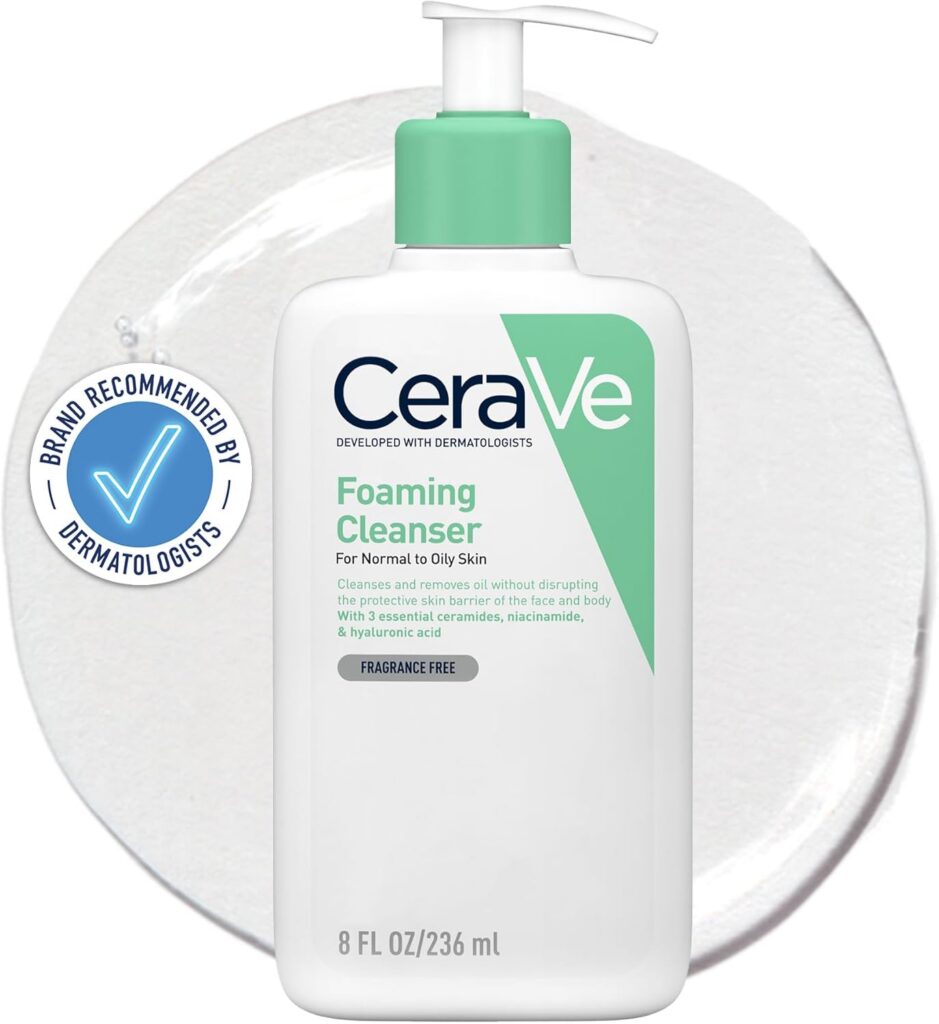
Why we recommend it:
- Removes excess oil
- Helps protect the skin barrier
- Suitable for daily use
- Fragrance-free
Step 2: Use a Salicylic Acid Treatment
Salicylic acid helps unclog pores and reduce breakouts by exfoliating inside the pore. We would recommend:
Paula’s Choice Skin Perfecting 2% BHA Liquid Exfoliant
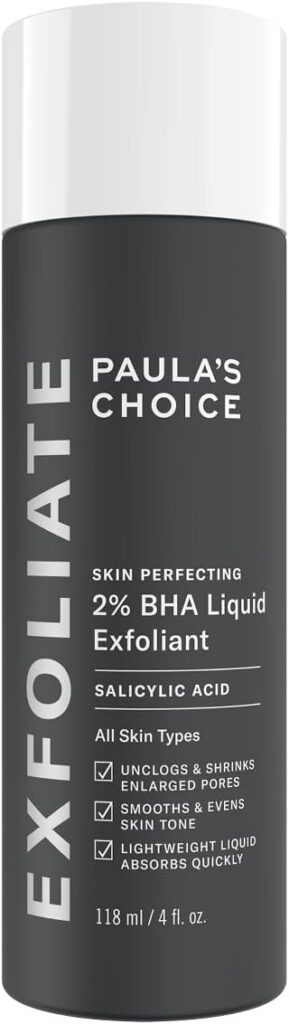
Why we recommend it:
- Helps clear clogged pores
- Reduces blackheads
- Smooths skin texture
- Lightweight formula
Step 3: Apply a Niacinamide Serum
Niacinamide helps reduce redness while balancing oil production. To know about niacinamide, read our blog here. For acne, we would recommend:
The Ordinary Niacinamide 10% + Zinc 1%
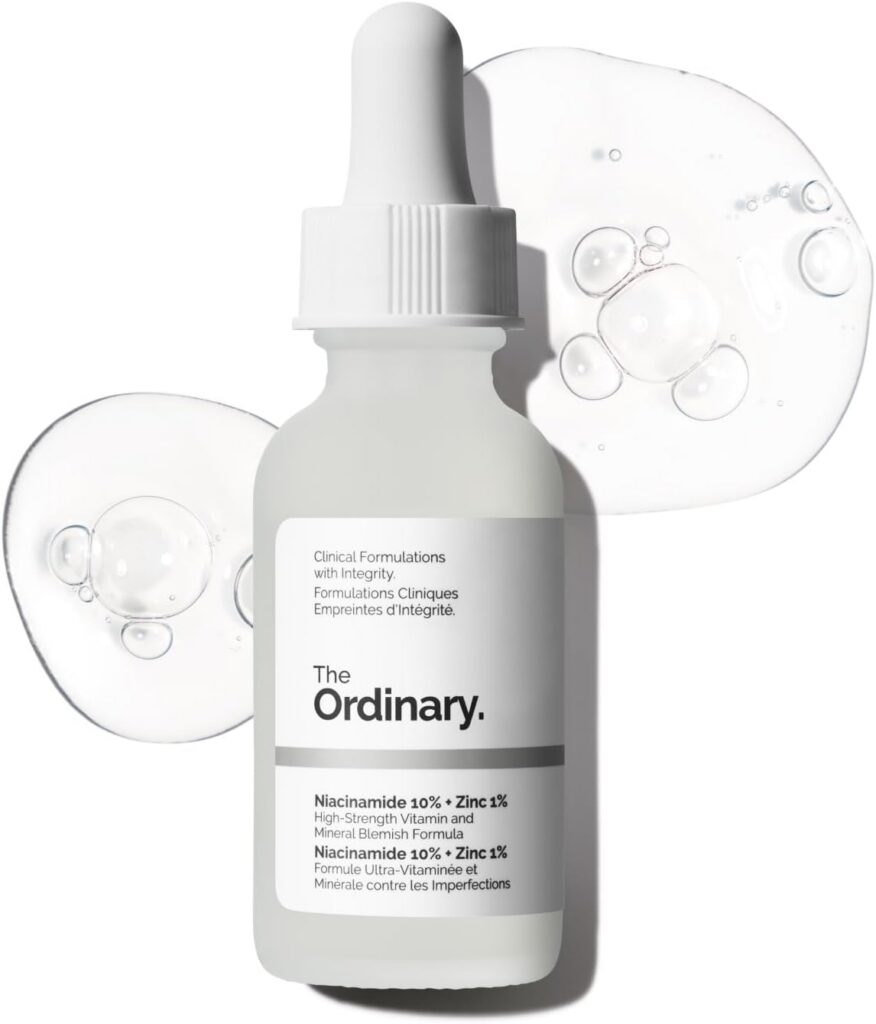
Why we recommend it:
- Helps control excess oil
- Reduces the appearance of pores
- Supports the skin barrier
- Suitable for acne-prone skin
Step 4: Moisturise
Even acne-prone skin needs hydration. A lightweight moisturiser helps maintain a healthy skin barrier. To know about why and when to moisturise, and what type of moisturiser is better for your skin type, read our blog here. For acne we would recommend:
CeraVe PM Facial Moisturising Lotion
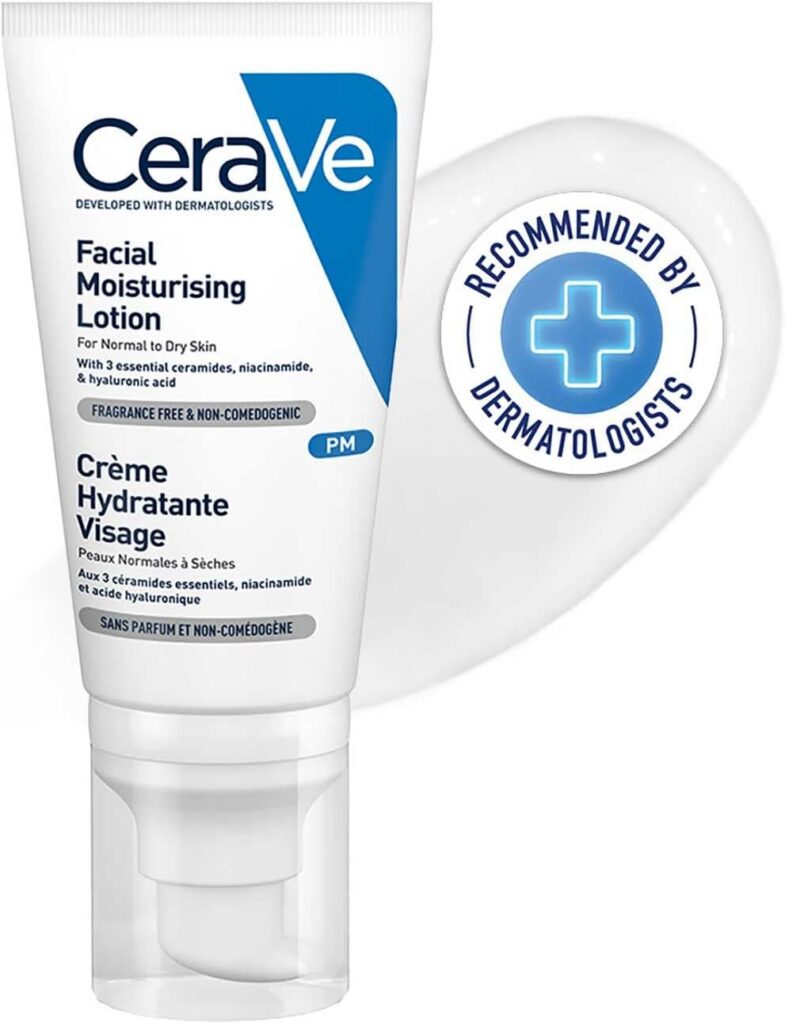
Why we recommend it:
- Lightweight
- Non-comedogenic
- Contains ceramides
- Hydrates without feeling greasy
Step 5: Wear Sunscreen Every Day
Daily sunscreen helps protect your skin, especially if you’re using ingredients like salicylic acid or retinol. To know about why and what sunscreen’s are good, have a look at our blog here. For acne we would recommend:
La Roche-Posay Anthelios UVMune 400 Invisible Fluid SPF50+
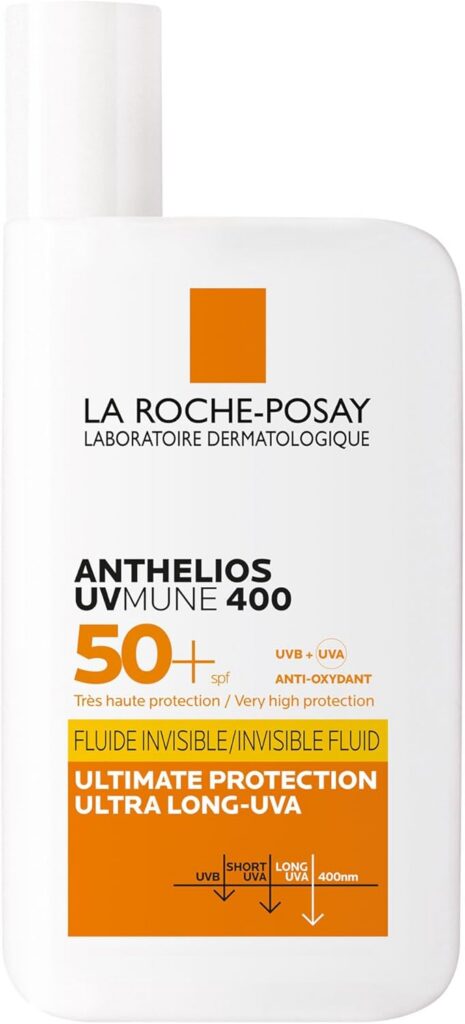
Why we recommend it:
- Lightweight
- Suitable for acne-prone skin
- Doesn’t leave a heavy finish
Ingredients That Help Acne-Prone Skin
When choosing skincare products, look for ingredients that support clearer skin.
Salicylic Acid
Salicylic acid is one of the most popular ingredients for acne-prone skin. As a beta hydroxy acid (BHA), it works by penetrating deep into the pores to dissolve excess oil and remove dead skin cells. This helps reduce blackheads, whiteheads, and future breakouts while leaving the skin feeling smoother.
Niacinamide
Niacinamide, also known as vitamin B3, is a gentle ingredient that helps regulate excess oil production, reduce redness, and strengthen the skin barrier. It’s suitable for most skin types and can be used alongside many other acne-fighting ingredients.
Ceramides
Although ceramides don’t directly treat acne, they play an important role in keeping your skin barrier healthy. Many acne treatments can be drying, so using products with ceramides can help restore moisture and reduce irritation.
Hyaluronic Acid
Hydrated skin is healthy skin. Hyaluronic acid attracts moisture to the skin, helping to keep it hydrated without feeling greasy. It’s an excellent ingredient to pair with stronger acne treatments to reduce dryness.
Common Acne Skincare Mistakes
Washing Your Face Too Often
It may seem like washing your face several times a day will help clear acne, but over-cleansing can actually strip your skin of its natural oils. This can cause your skin to produce even more oil, potentially leading to additional breakouts. Cleansing your face twice a day is usually enough for most people.
Picking Pimples
Although it can be tempting, picking at pimples can push bacteria deeper into the skin, increase inflammation, and slow down the healing process. It can also increase the risk of post-acne marks and permanent scarring. It’s best to let blemishes heal naturally or use targeted spot treatments instead.
Skipping Moisturiser
Many people with acne think moisturiser will make their skin oilier, but that’s a common misconception. Acne treatments can often dry out the skin, so using a lightweight, non-comedogenic moisturiser helps maintain hydration and supports a healthy skin barrier.
Using Too Many Active Ingredients
Many people with acne think moisturiser will make their skin oilier, but that’s a common misconception. Acne treatments can often dry out the skin, so using a lightweight, non-comedogenic moisturiser helps maintain hydration and supports a healthy skin barrier.
Expecting Immediate Results
Acne treatments take time to work. While it can be frustrating, most people won’t notice significant improvements for several weeks. Staying consistent with your skincare routine is one of the most important factors in achieving clearer skin.
Lifestyle Tips for Managing Acne
Alongside a good skincare routine, these habits may help support healthier skin:
- Remove makeup before bed
- Clean makeup brushes regularly
- Change pillowcases frequently
- Avoid touching your face
- Stay consistent with your routine
Final Thoughts
Managing acne doesn’t mean using lots of harsh products. In fact, a simple and consistent routine often delivers the best results. Choosing gentle cleansers, effective treatments, lightweight moisturisers, and daily sunscreen can help reduce breakouts while protecting your skin barrier.
Remember that everyone’s skin is different, so finding the right routine may take time. With patience and consistency, healthier, clearer-looking skin is achievable.
FAQ’s
What causes pimples?
Pimples develop when pores become clogged with excess oil, dead skin cells, and bacteria. Hormones, genetics, and certain skincare products can also contribute to breakouts.
What is the best skincare routine for acne-prone skin?
A simple routine including a gentle cleanser, salicylic acid treatment, niacinamide serum, lightweight moisturiser, and sunscreen is often recommended for acne-prone skin.
Should I moisturise if I have acne?
Yes. Using a lightweight, non-comedogenic moisturiser helps support your skin barrier and can prevent your skin from becoming overly dry.
Can acne be cured?
Acne can’t always be permanently cured, but it can usually be managed with the right skincare routine and consistent use of suitable products.
How long does it take to see results from an acne skincare routine?
Most people begin to notice improvements after 6–12 weeks of following a consistent skincare routine, although this can vary depending on the severity of the acne.
