
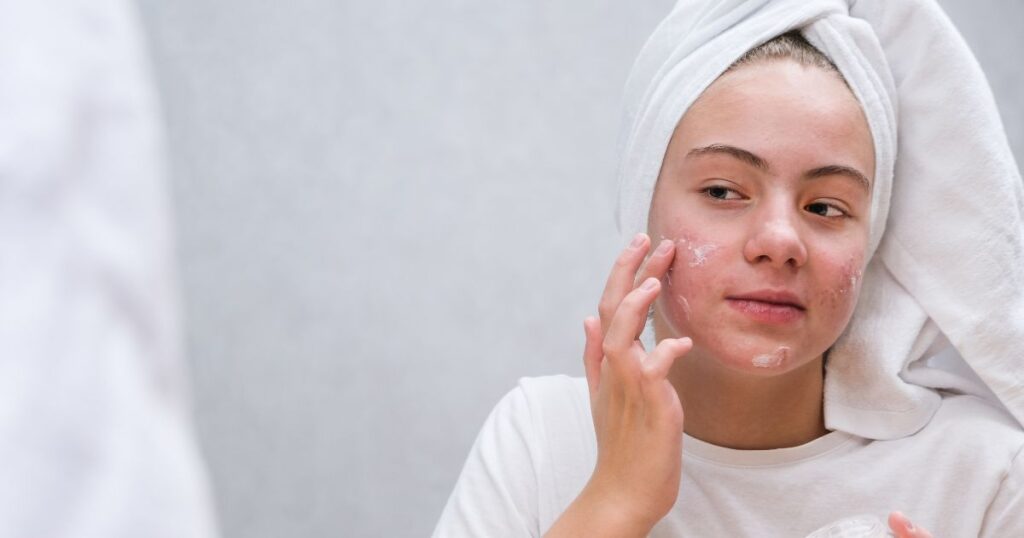
If you’ve noticed painful spots appearing around your chin, jawline, or cheeks every month, you may be dealing with hormonal breakouts. Unlike occasional pimples, hormonal acne is often linked to changes in hormone levels and can be more persistent and difficult to manage.
The good news is that the right hormonal skincare routine can help reduce breakouts, calm inflammation, and support healthier-looking skin. In this guide, we’ll explain what hormonal pimples are, what causes them, and how to build an effective skincare routine to manage them.
What Are Hormonal Pimples?
Hormonal pimples develop when changes in hormone levels increase oil (sebum) production. Excess oil mixes with dead skin cells and bacteria, clogging pores and leading to inflamed spots.
Hormonal breakouts commonly appear on:
- Chin
- Jawline
- Lower cheeks
- Neck
Unlike regular acne, hormonal pimples are often deeper under the skin, tender to touch, and slower to heal.
What Causes Hormonal Breakouts?
Several factors can trigger hormonal pimples, including:
- Puberty
- Menstrual cycles
- Pregnancy
- Polycystic ovary syndrome (PCOS)
- Stress
- Genetics
- Certain medications
Although hormones can’t always be controlled, a consistent skincare routine can help reduce their impact on your skin.
Signs Your Breakouts May Be Hormonal
Not sure if your acne is hormonal? Some common signs include:
- Breakouts around the chin and jawline
- Deep, painful spots
- Pimples that appear around the same time each month
- Acne that continues into adulthood
- Oily skin during hormonal changes
If your breakouts follow a predictable pattern, hormones may be playing a role.
Best Skincare Routine for Hormonal Breakouts
Step 1: Use a Gentle Cleanser
A gentle cleanser removes excess oil and impurities without damaging the skin barrier. We would recommend;
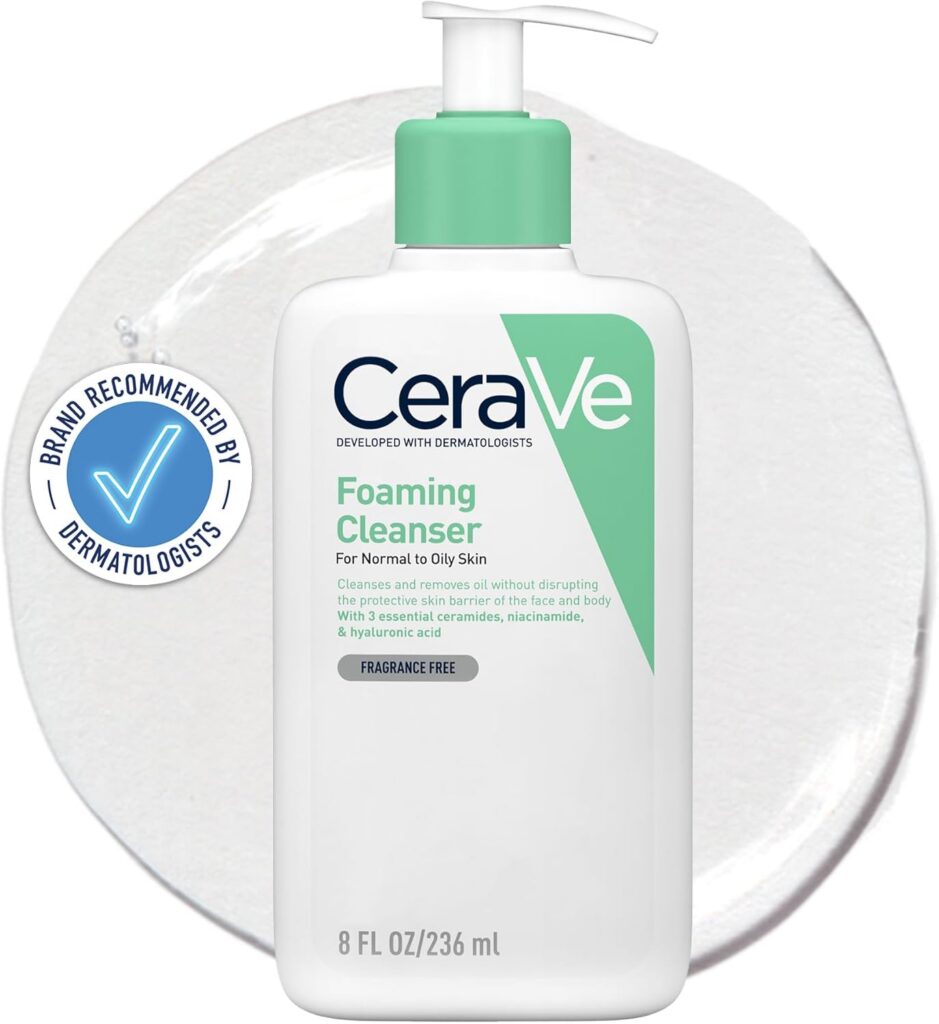
Why we recommend it:
- Removes excess oil
- Fragrance-free
- Suitable for daily use
- Helps maintain the skin barrier
Step 2: Use Salicylic Acid
Salicylic acid helps unclog pores and reduce inflammation, making it one of the best ingredients for hormonal breakouts. We would recommend;
Paula’s Choice Skin Perfecting 2% BHA Liquid Exfoliant
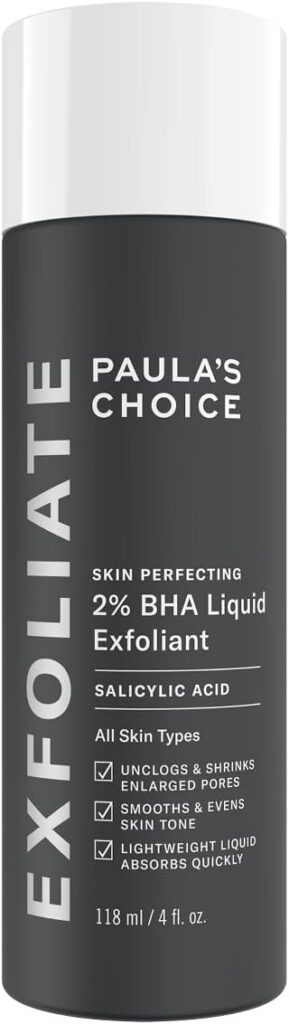
Why we recommend it:
- Helps clear pores
- Reduces blackheads
- Smooths skin texture
- Lightweight formula
Step 3: Apply a Niacinamide Serum
Niacinamide helps balance oil production while calming redness caused by inflamed spots. We would recommend;
The Ordinary Niacinamide 10% + Zinc 1%
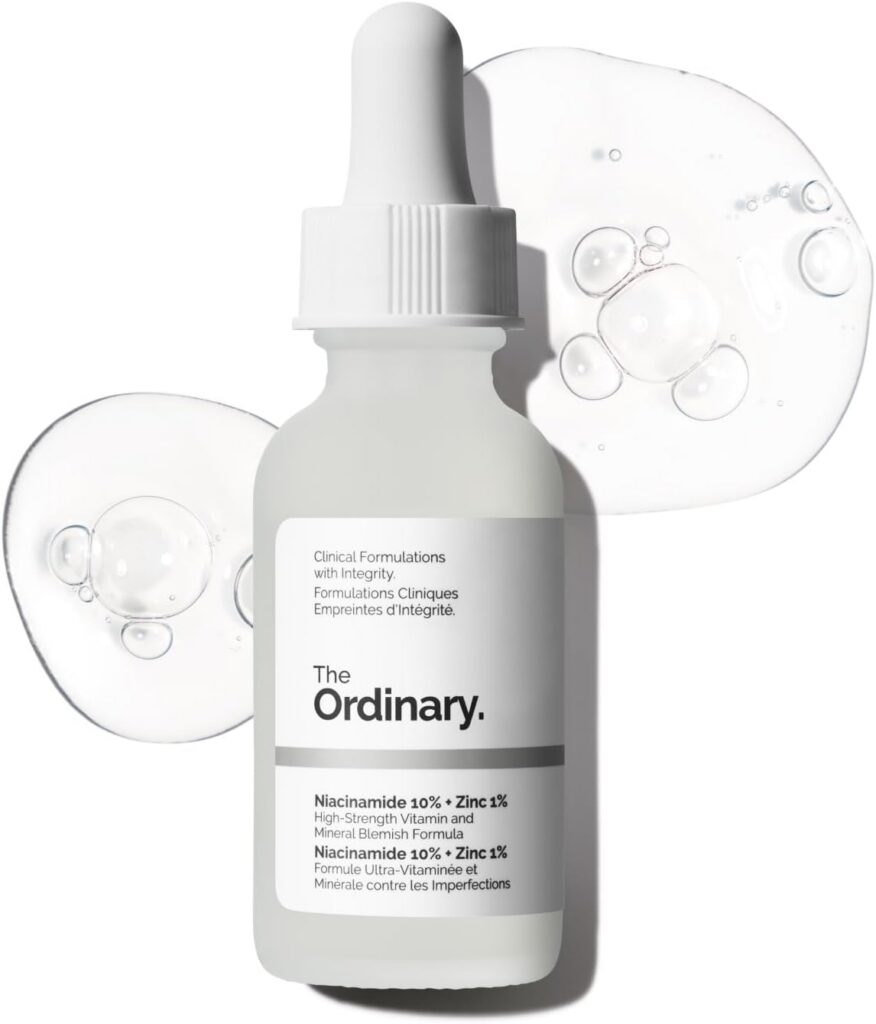
Why we recommend it:
- Helps reduce excess oil
- Supports the skin barrier
- Calms redness
- Suitable for daily use
To know more about the ingredient niacinamide, read our blog here.
Step 4: Moisturise
Even oily or acne-prone skin needs hydration. A lightweight moisturiser helps maintain a healthy skin barrier. We would recommend;
CeraVe PM Facial Moisturising Lotion
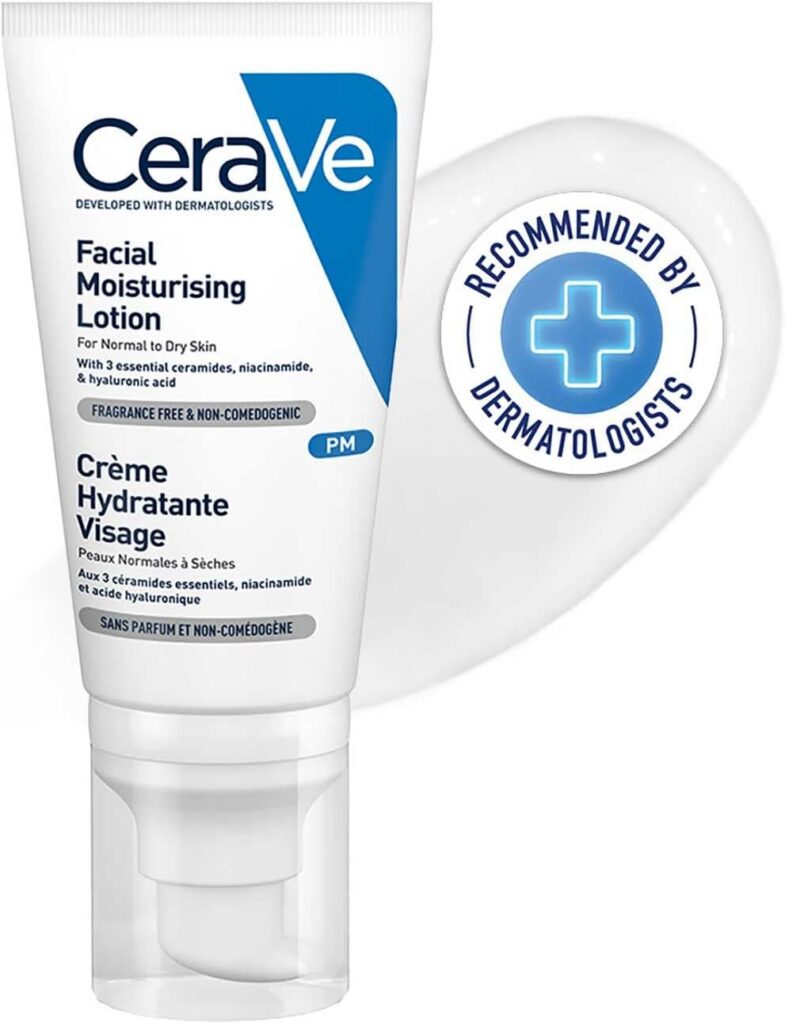
Why we recommend it:
- Lightweight
- Non-comedogenic
- Hydrating
- Suitable for acne-prone skin
Step 5: Wear Sunscreen Every Day
Daily sunscreen helps protect your skin and prevent post-inflammatory marks from becoming darker. We would recommend;
La Roche-Posay Anthelios UVMune 400 Invisible Fluid SPF50+
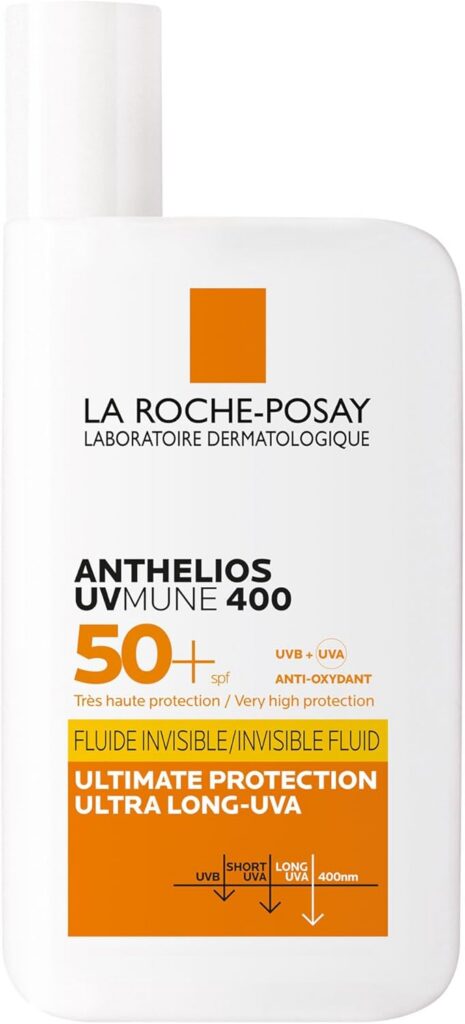
Why we recommend it:
- Lightweight
- Non-greasy
- Suitable for sensitive and acne-prone skin
Ingredients That Help Hormonal Pimples
Choosing the right skincare ingredients can make a significant difference when managing hormonal breakouts. While no skincare product can completely stop hormonal acne, certain ingredients can help reduce excess oil, unclog pores, calm inflammation, and support a healthier skin barrier.
Salicylic Acid
Salicylic acid is one of the most effective ingredients for hormonal breakouts. As a beta hydroxy acid (BHA), it penetrates deep into the pores to remove excess oil, dead skin cells, and debris that can lead to clogged pores and pimples. Regular use may help reduce blackheads, whiteheads, and future breakouts while leaving the skin looking smoother.
Niacinamide
Niacinamide (vitamin B3) is a gentle yet powerful ingredient that helps regulate oil production, reduce redness, and strengthen the skin barrier. It’s suitable for most skin types and works particularly well alongside other acne-fighting ingredients. It can also help minimise the appearance of enlarged pores over time.
Azelaic Acid
Azelaic acid is a great option for people with hormonal acne because it helps reduce inflammation, improve skin texture, and fade post-breakout marks. It’s often recommended for people with sensitive skin as it’s generally less irritating than some other active ingredients.
Retinol
Retinol encourages faster skin cell turnover, helping to prevent dead skin cells from clogging pores. Over time, it may also improve the appearance of acne scars, uneven skin texture, and fine lines. If you’re new to retinol, introduce it gradually and always apply sunscreen during the day.
Ceramides
Although ceramides don’t directly treat hormonal acne, they’re essential for maintaining a healthy skin barrier. Many acne treatments can leave the skin feeling dry or irritated, so products containing ceramides help restore moisture and improve skin comfort.
Common Hormonal Skincare Mistakes
Picking Hormonal Pimples
Hormonal pimples often develop deep beneath the skin, making them more painful and more likely to scar if picked. Although it can be tempting to squeeze them, doing so can increase inflammation, spread bacteria, and slow the healing process. Instead, allow spots to heal naturally or use a targeted spot treatment.
Over-Cleansing
Washing your face too often won’t get rid of hormonal breakouts. In fact, over-cleansing can strip away your skin’s natural oils, causing it to produce even more oil to compensate. Cleansing your face twice a day with a gentle cleanser is usually enough to keep your skin clean without causing irritation. To know about cleansers, read our blog here.
Skipping Moisturiser
Many people with hormonal or oily skin avoid moisturiser because they’re worried it will make their skin greasier. However, dehydrated skin can actually produce more oil, which may contribute to further breakouts. Using a lightweight, non-comedogenic moisturiser helps keep your skin balanced and supports a healthy skin barrier. To know more about moisturisers, read our blog here.
Trying Too Many Products at Once
Combining ingredients like salicylic acid, retinol, benzoyl peroxide, and exfoliating acids all in the same routine can overwhelm your skin. This may lead to redness, dryness, and irritation rather than clearer skin. Introduce new products gradually and give your skin time to adjust before adding another active ingredient.
Expecting Immediate Results
Hormonal acne doesn’t usually disappear overnight. Because breakouts are linked to changes in hormone levels, it can take several weeks of consistent skincare before you begin to notice improvements. Sticking to your routine is often more effective than constantly changing products.
Lifestyle Tips to Help Prevent Hormonal Pimples
Although skincare plays an important role, healthy habits may also help support clearer skin.
- Follow a consistent skincare routine.
- Remove makeup before bed.
- Get enough sleep.
- Manage stress where possible.
- Eat a balanced diet.
- Avoid picking at spots.
While these habits won’t completely prevent hormonal acne, they can help improve your skin’s overall health.
When Should You See a Healthcare Professional?
If your hormonal breakouts are severe, painful, leaving scars, or not improving after several months of consistent skincare, it may be worth speaking to a GP or dermatologist. They can assess your skin and discuss additional treatment options if needed.
Final Thoughts
Hormonal pimples can be frustrating, but they don’t have to control your confidence. By following a simple hormonal skincare routine, using ingredients like salicylic acid and niacinamide, and staying consistent, you can help reduce breakouts and support healthier-looking skin.
Remember that everyone’s skin is different, so finding the right routine may take time. Be patient with your skin, and don’t be afraid to seek professional advice if your breakouts become persistent or severe.
FAQ’s
What causes hormonal pimples?
Hormonal pimples are caused by changes in hormone levels that increase oil production, leading to clogged pores and inflamed breakouts.
How do you treat hormonal pimples?
A consistent skincare routine using gentle cleansers, salicylic acid, niacinamide, and lightweight moisturisers can help manage hormonal breakouts.
How can I prevent hormonal pimples?
While hormonal changes can’t always be prevented, following a regular skincare routine, avoiding picking your skin, and using suitable skincare products can help reduce breakouts.
What is the best cleanser for hormonal pimples?
A gentle foaming cleanser, such as CeraVe Foaming Cleanser, can help remove excess oil without disrupting the skin barrier.
Are hormonal breakouts different from regular acne?
Yes. Hormonal breakouts usually appear around the chin and jawline, are often deeper under the skin, and tend to follow hormonal changes, such as the menstrual cycle.
